

Teaching your cat to use the litter box is essential for a clean, harmonious home. However, it isn’t always easy to help your cat understand what’s expected. In this article you’ll find practical, stress-free tips to teach your cat to use the litter box effectively. Your cat — and your home — will thank you!
The Perfect Spot: Where to Place the Litter Box
Why a Proper Litter Box Matters
Provide a box that’s the right size for your cat, and ideally have one per cat in the house. If you have multiple cats, add an extra box just in case — cats can be territorial and like their own space. I’ll never forget the first time I watched my cat stride confidently into a new litter box; it was like seeing someone move into a new apartment and start making it their own.
Place the box in a quiet, easy-to-reach spot. Picture a sunny corner where your cat feels safe but can still keep an eye on the room. That combination of security and visibility is what most cats prefer. Choose a low-traffic, low-noise area and your cat will be more comfortable.
Use unscented cat litter without added fragrances or special additives. Just as strong air fresheners bother us, strong scents can put cats off. Early on I used a heavily scented litter to try to control odor, and my cats made it clear they didn’t like it. It’s like opening a bag that smells like soda when what you really need is water — it leaves you confused.
Introduce the box by showing it to your cat and gently rubbing a paw in the litter so they can feel and recognize it as a place to go. I remember being nervous introducing my cat to the idea, but acting calmly and patiently makes a big difference.
Supervise your cat during the first few days to make sure they’re using the box correctly. At first I felt like a tiny detective, tracking their movements and subtle cues. Sometimes I’d even say, go to the box, and when they finally used it it was a huge relief.
If the cat has an accident, don’t punish them. Gently place them in the box and reinforce correct behavior with pets and kind words. In moments of frustration, what helped me most was remembering they have good and bad days too — our job is to guide, not scold.
Keep the litter box clean and comfortable. Scoop and change litter regularly. If you neglect this, don’t be surprised if your cat picks a softer spot like a rug. It’s a constant reminder that their comfort depends on us.

Patience and Perseverance: The Key to Success
Remember that patience and persistence are essential when teaching your cat to use the litter box. With consistent guidance and time, most cats learn to use it automatically.
Myths about Litter Box Use

Although many cats pick up litter-box habits easily, some resist. Early on, I was frustrated when my cat started ignoring the box — I thought they were being stubborn. I learned that several factors influence this behavior, and location is one of the most common. If the box sits in the middle of household chaos, you’re asking the cat to go to the bathroom at a party — poetic, but impractical.
Another common issue is litter quality. Some cats are picky. I once bought an ultra-fine litter thinking my cat would love it, but the result was total rejection. You may need to try different textures and types until you find the one they prefer — think of it as a little litter tasting session.
Stress is also a factor. Changes in routine or frequent visitors can make a cat choose another spot. It’s like being in the middle of a move — instability makes you avoid usual routines.
Finally, don’t overlook health issues. Urinary problems or infections can cause cats to avoid the box. If accidents persist, see your veterinarian to rule out medical causes.
Effective Techniques to Teach Your Cat to Use the Litter Box

Best Practices for Teaching
Teaching a cat to use the litter box is an important part of cat care, and there are several effective techniques:
Place the litter box in an accessible location:Choose a quiet, easy-to-reach spot so your cat can get there without stress. Moving the box a few times may make you feel like an architect, but the cat’s comfort comes first.

Use an appropriate litter box:Make sure the box is large enough for your cat to turn around and has enough litter for covering. Think of it as creating a small personal space where every detail matters.
Show the cat where the box is:Bring your cat to the box and wait for them to use it. Repeat this until they feel comfortable. With patience and repetition you’ll get it right and feel like a committed caregiver.
Reward the cat:Use positive reinforcement when the cat uses the box. Offer a small treat or something they love to show them they did well. Seeing their happy tail after a successful session is priceless.
Clean and maintain the box:Keep the litter box clean and odor-free so your cat wants to use it consistently. Good hygiene is essential, and if you do it right your cat will reward you by using the box.
Preferences: Covered vs. Uncovered Litter Boxes
Which one to choose?
Preference for a covered or uncovered box varies by breed and personality.Some breeds, like Siamese, Persians and Sphynx, may prefer a covered box because it offers extra privacy. Other cats, especially larger or more active ones, may like an uncovered box because it gives them room to move without feeling confined. I once had a covered box and thought I was doing the right thing, but my cat would approach it and peer inside like, why is there a roof here? Watching body language can give you clues.
To find your cat’s preference, observe how they behave around each option. If they avoid a covered box, try an open one; if they value privacy, a covered box might be best. Generally, it’s wise to test both and see which your cat prefers.
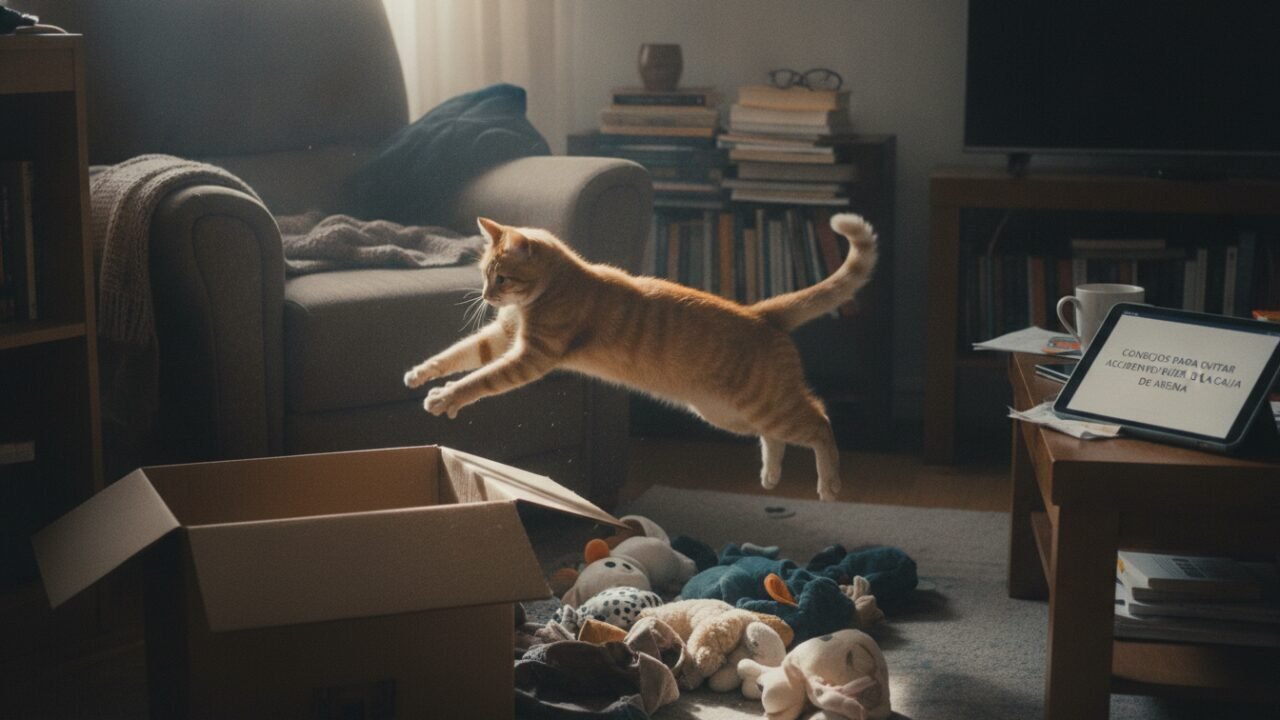
Tips to Prevent Accidents Outside the Litter Box
Keeping Your Home Safe
To reduce the chance of accidents, try the following:
Keep the litter box clean and accessible: Cats are naturally clean and particular about hygiene. If the box is dirty or hard to reach, your cat will look elsewhere. I remember a hectic day after guests left; before long I found an unpleasant surprise in a corner of the living room.

Provide multiple litter boxes: If you have more than one cat, offer several boxes. Cats can be territorial and sometimes prefer their own bathroom. I once thought a single box would be fine, but after a spat between two cats I learned it’s better to give each their own.
Choose the right box: Make sure the box is big enough for your cat to move comfortably. Try different designs — some cats prefer covered boxes, others open ones; changing to a more open design can sometimes solve avoidance issues.
Place the box in a quiet, private area: Cats appreciate their space, so put the litter box somewhere calm where they feel secure. If your cat tends to watch from the room’s edge as if feeling exposed, they probably need a quieter spot.
Teach from an early age: If you have a kitten, start early. Put them in the litter box after meals and naps until they learn to go there. Like people, cats learn habits by example and repetition.
If accidents keep happening, it could indicate a health or behavioral issue — consult your veterinarian to rule out medical causes and get tailored advice.
🔍 Looking for something else?
If you want to read other articles similar to Foolproof Tips: How to Teach Your Cat to Use the Litter Box you can visit the category Guides.
Leave a Reply
More cat breeds!