

You've seen the picture: a miniature leopard with jungle rosettes lounging on a sofa as if it belongs there. And you thought what everyone thinks: "I want one." Before you take the plunge, let me tell you what that photo leaves out—because behind that wild beauty comes a hidden cost, and it isn't just the price tag at the breeder.
The Breeds That Look Like Pocket Leopards
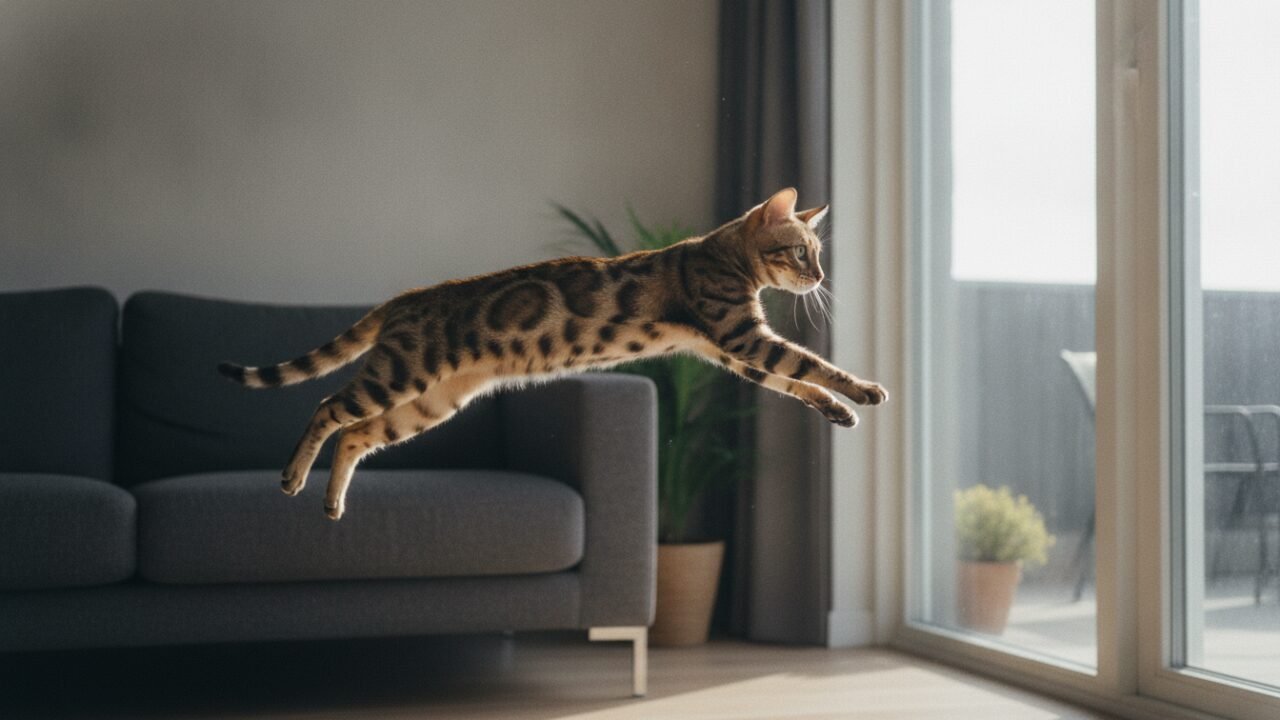
It's not just one cat: it's a family of breeds developed to bring a touch of the wild into your home.
Bengal. The undisputed king of the group. Leopard-like spots (known as rosetas in Spanish, but referred to as rosettes in English), an athletic build, and energy that never seems to run out. Descended from crosses with the Asian leopard cat, that heritage shows in every single leap.
Savannah. The most extreme option: a cross with the African serval. Tall, with exceptionally long legs, capable of leaping heights that will seem impossible. The closer they are to their wild ancestor, the harder they are to handle.
Ocicat and Egyptian Mau. The "pseudo-wilds": they sport the spotted look of a wildcat but possess a much more domestic temperament. If you want the aesthetic without the fierce drive, this is the sweet spot.
Why That Beauty Is Exactly the Trap
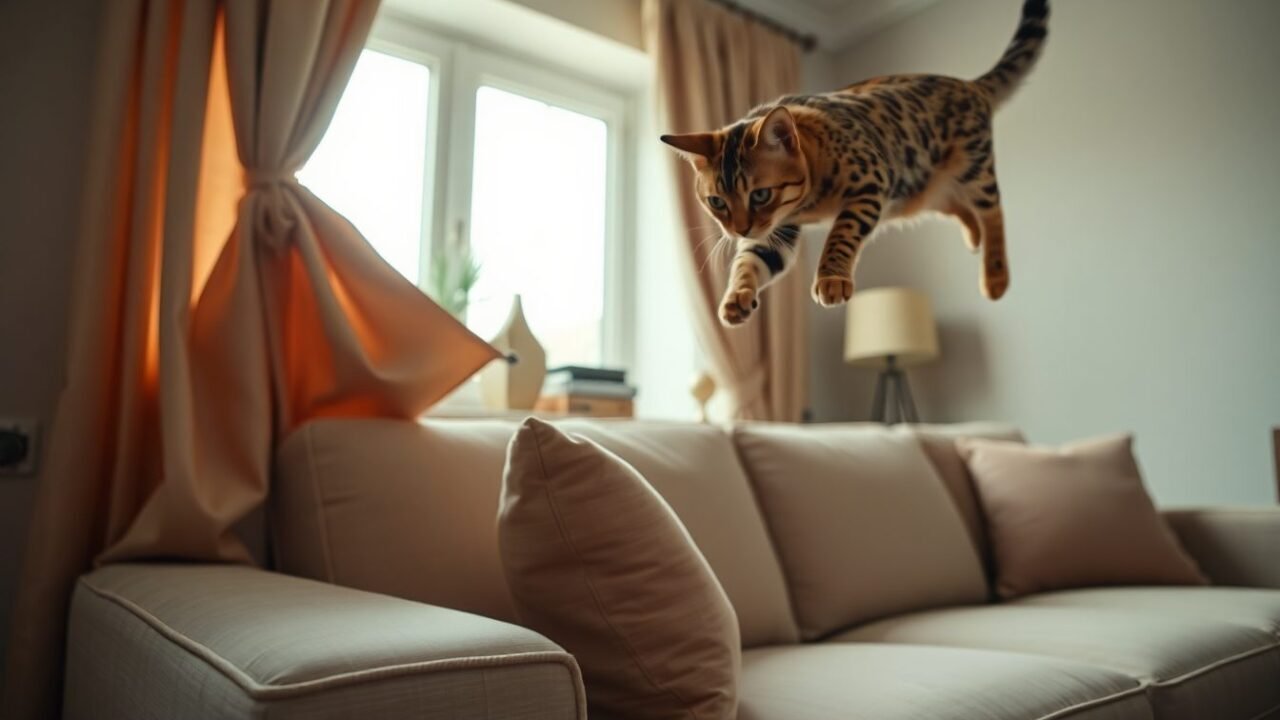
Here is what almost no one tells you when you fall in love with the picture. You aren't adopting a cat with a pretty coat: you are taking on the high-octane energy of a small predator.

MYTH: "They're just like any other cat, only prettier."
REALITY: They need to climb, hunt, sprint, and scale vertical spaces every single day. That energy doesn't just vanish: if you don't give them an outlet, they will take it out on your furniture, your curtains, and your sleep at 3:00 AM.
Many of these cats end up in shelters not because they are "bad," but because someone bought into the aesthetic without understanding the animal. That is the tragic backstory behind some of the most stunning breeds out there.
The Real Cost (Not Listed on the Price Tag)
The initial purchase price is the least of your worries. The real commitment comes afterward: abundant vertical space, heavy-duty toys that can withstand a tiny beast, pet insurance, and a vet experienced with hybrid breeds.
Plus, there is a legal hurdle that catches many off guard: in many areas, early-generation hybrids close to the serval (such as certain Savannahs) are strictly regulated or outright banned. Before you fall head over heels, check local laws. Finding out too late is a heartbreak that usually costs the cat its home.

Is a Leopard-Like Cat Really Right for You?
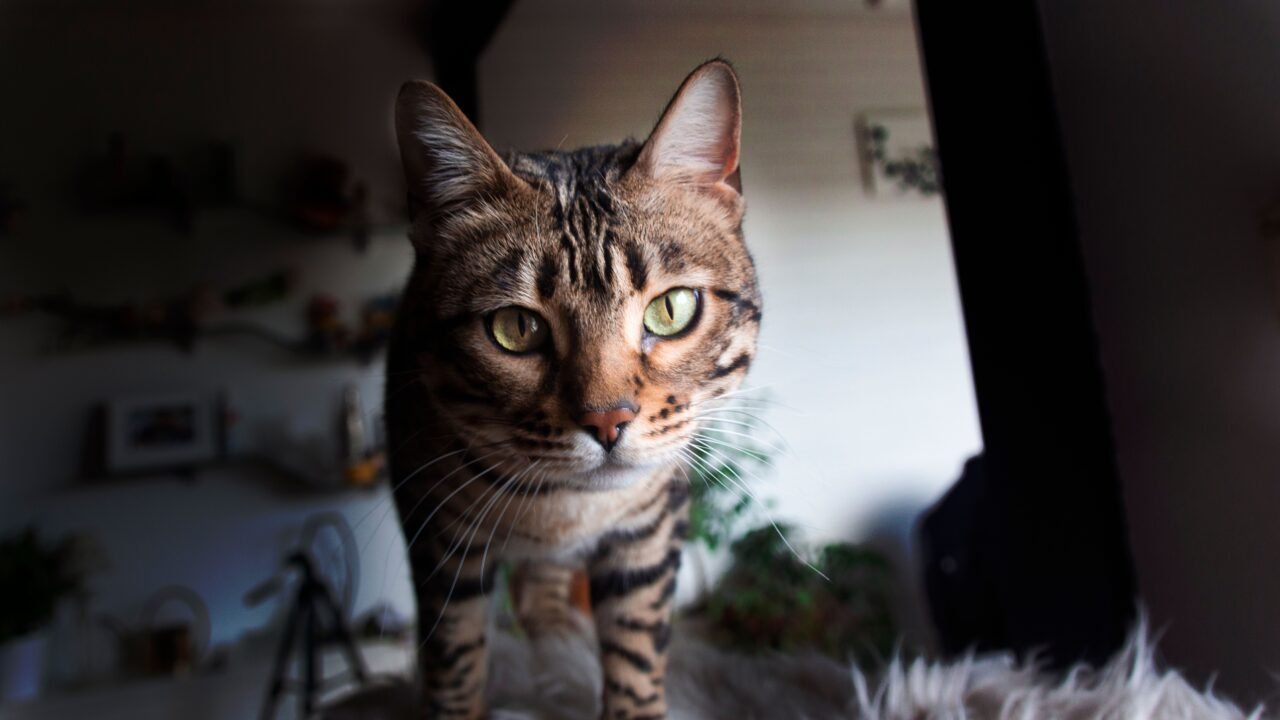
I'm not going to tell you not to get one. I am going to ask you to be honest with yourself: do you have ample free time, room for climbing structures, and the patience for years of relentless energy? If the answer is yes, you'll have one of the most magnificent feline companions imaginable.
If your answer is "I'm not sure," perhaps your love for leopards is better satisfied through documentaries, while your lifestyle is better suited to a less intense cat. That isn't giving up—it's making a smart choice for both you and the animal.
And if this opened your eyes to what really goes on behind trendy pet breeds, check out our honest breakdown of the 15 most popular cat breeds and the hidden issues nobody warns you about.
Frequently Asked Questions
What cat breed looks most like a leopard?
The Bengal is the most widely recognized due to its distinctive leopard-like rosettes. The Savannah is larger and wilder (serval cross), while the Ocicat and Egyptian Mau offer a spotted look with a more manageable domestic temperament.
Are leopard-like cats difficult to care for?
Yes, significantly more so than standard domestic cats. They require high levels of physical activity, vertical climbing areas, daily mental stimulation, and plenty of space. Without these, they quickly develop destructive behaviors out of boredom. They are not suited for owners who spend long hours away from home.
Is it legal to own a Savannah cat?
It depends entirely on your location. Early generations closely linked to the serval (such as F1 and F2) are heavily regulated or restricted in many regions, whereas later generations are generally permitted. Always verify local exotic pet laws before adopting.
🔍 Looking for something else?
If you want to read other articles similar to Leopard-Like Cats: The Wild Beauty Few Owners Actually Know How to Care For you can visit the category Large.
Leave a Reply
More cat breeds!