

I picked her for the color. Orange. Because everyone swore orange cats are the sweetest, the affectionate clowns of the house.
Everyone cheered my choice. Everyone was wrong. And worst of all: by the time I realised, I’d already swallowed the same myth you probably believe right now.
There is one color that really hides a true secret — one that can spare you a health scare. But it’s at the end of the trail. And the trail is full of stories we need to unpack first.
🧠 Quick, don’t overthink it: which cat color do you think gets the most unfair reputation?
Black · White · Gray · Tortoiseshell
Pick one in your head. I’ll tell you if you guessed right in two minutes.
I forced myself to dig in. And the internet was a landfill of myths.
Every color had its myth. And the more I read, the stranger it got — until I ran into something I didn’t expect. Let’s go color by color; that’s where the good stuff starts.
🟠 Orange: the one from the “one shared brain cell” meme
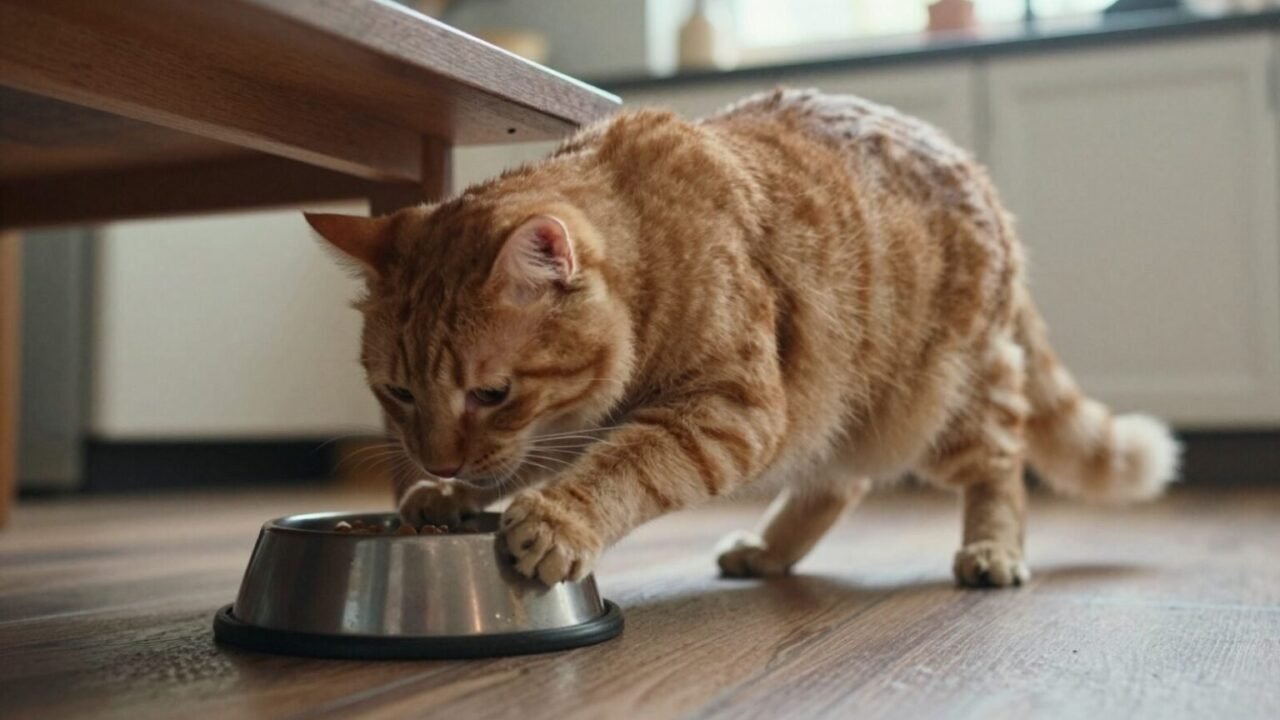
I’ll start with mine, so I don’t get off scot-free.
MYTH: they are dumb and clownish by nature. ❌ False.
REALITY: almost 8 out of 10 are male — the orange gene is on a sex chromosome, and males need only one copy. Males often behave more boldly. It’s the sex, not the color.
Mine, by the way, still can’t find her bowl twice a day. But that’s her, not her coat. And speaking of food: if yours devours like it’s the last meal, be careful about over-treating — there are things in your kitchen your cat should never try.

🐈⬛ Black: the cat with the worst PR in history
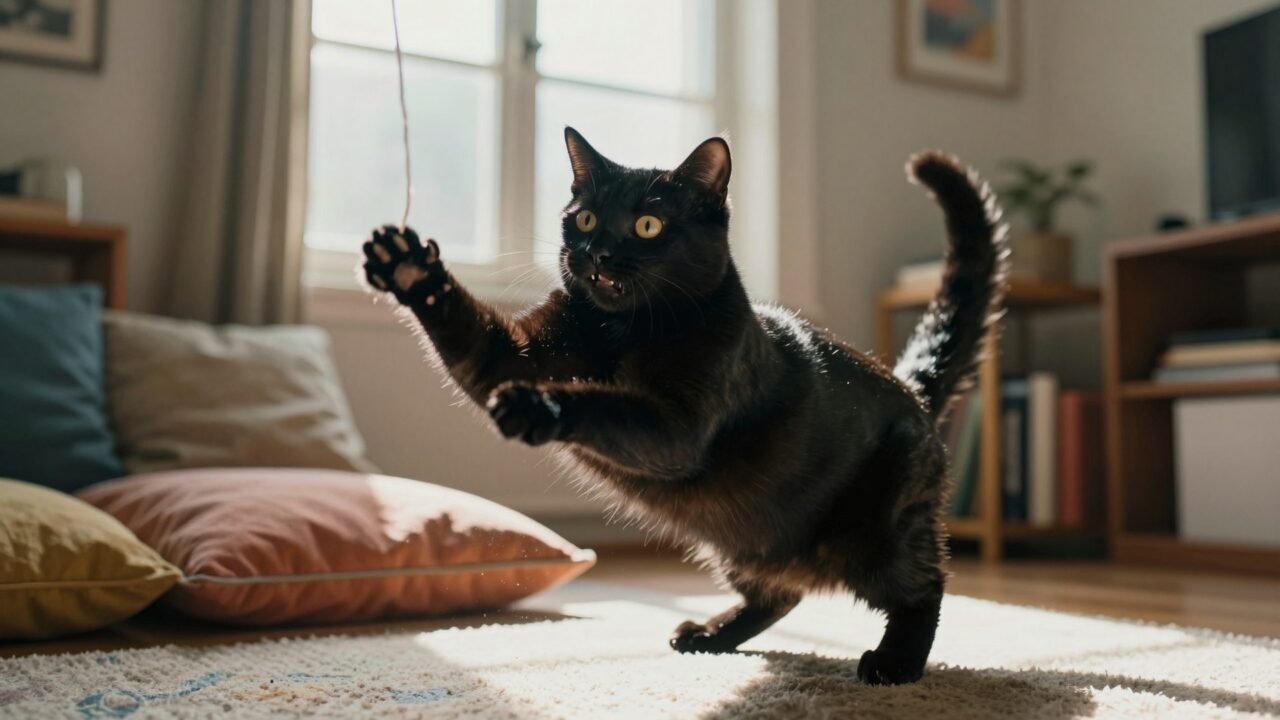
👇 What most people think: they bring bad luck.
👇 What reality shows: in shelters they’re among the calmest and most sociable.
👇 What science says: zero relationship between color and temperament.
👇 What nobody tells you: they’re the ones that take the longest to be adopted. Thousands of little black couch-panthers waiting in a cage because of superstition.
Did you bet "black" in the quiz above? You guessed right. And yes, it’s a bit sad. If you ever adopt, take a second look at the black cat in the corner: they’re often the most grateful.
⚫ Gray and blue: the reputation for being refined (with a catch)
Russian Blue, Chartreux, British Shorthair… they have a reputation for being calm and elegant. And they’re almost right, but for the wrong reason: that calmness doesn’t come from the gray color, it comes from the breed — bred for generations for that temperament. A gray alley cat doesn’t have to behave the same. You bought the color believing it came with the personality, when the personality was in the pedigree.
🐅 Tabby and tuxedo: these aren’t even breeds
Tabby — that M on the forehead every street cat wears — and tuxedo — black and white, all dressed up — are not breeds. They’re patterns. Looking for "a calm tabby" is like looking for "a calm person in a striped shirt."
And just when I thought I’d seen it all, I hit the white cat. That’s where my smile faded.
⚪ The white cat: this one really does carry a health truth
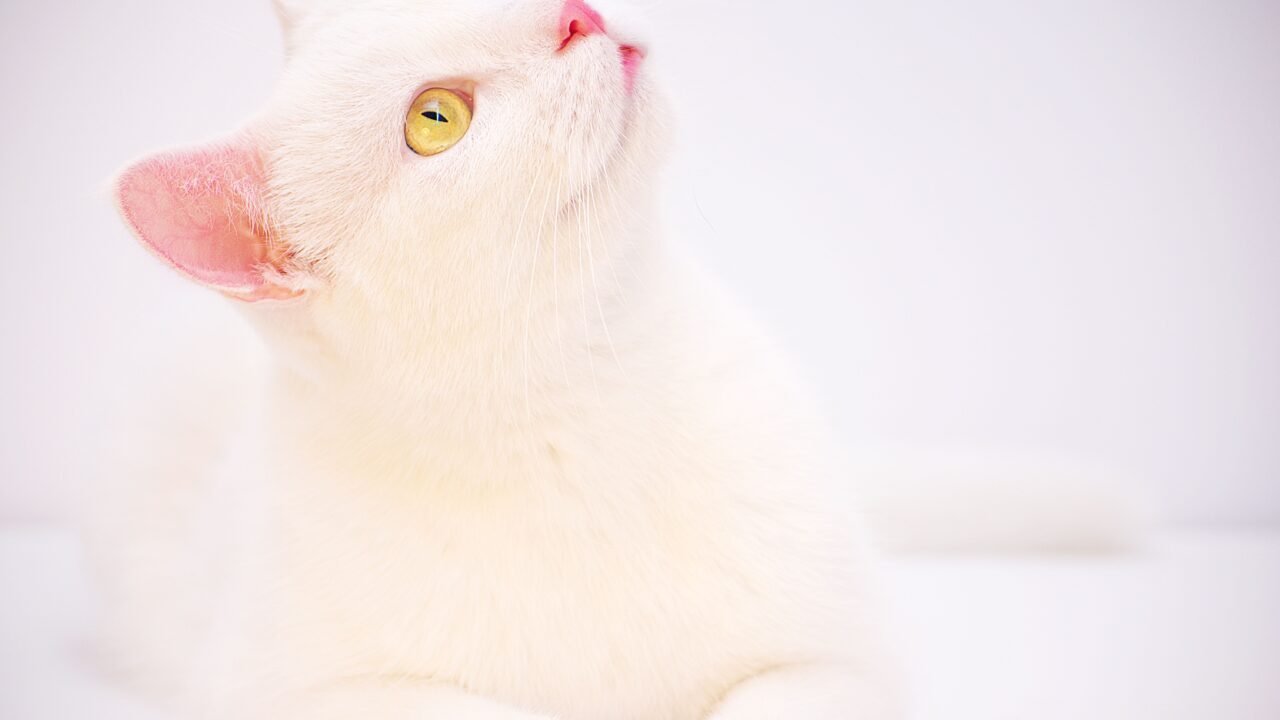
Remember the color that actually hides something? This is it.
✅ THIS IS TRUE: white cats — especially those with blue eyes — are considerably more likely to be born deaf. The same gene that removes pigment from their fur can also leave a tiny part of the inner ear underdeveloped.
Two blue eyes = higher risk. One blue eye = sometimes hearing is lost only on that side.

It’s not a tragedy: a deaf cat can live happily and won’t know it’s different. But they need different care — don’t let them roam outdoors (they can’t hear traffic), and make your approach obvious by stamping or letting them see you before you touch. And if you think "they ignore me, they’re aloof"… maybe they simply can’t hear you. That’s something color actually tells you. Everything else was a story.
So, how should you really choose?
Not like I did. Not by color. Choose by personality, and you can see that in five minutes with a cat in front of you: whether it comes to you, whether it tolerates petting, whether it purrs or hides shaking.
My orange girl turned out to be a tiny demon who doesn’t care about my love until three in the morning. I love her anyway. But she wasn’t what the color promised me — because the color promised nothing. I chose a coat. I should have chosen a companion.
If you’re left wanting more, pull the thread:
→ The 5 signs your cat is sick (and almost nobody spots in time)
Frequently asked questions
Are all orange cats male?
No, but almost. Around 8 out of 10 are male because of how the orange color gene is inherited. Female orange cats do exist, but they’re the minority.
Are all white cats deaf?
No. The risk increases with complete white coats and, especially, with blue eyes. Many hear perfectly; it’s just a higher probability, not a certainty.

Does color really change personality?
There’s no solid evidence. What shapes personality is early socialisation, breed, and treatment — never the fur color.
Does color affect how long a cat lives?
No. Lifespan depends on care, diet and health genetics, not on coat color. We cover this in how long cats live.
Where this comes from: the genetics of coat color (the orange gene linked to a sex chromosome; the white gene and its well-documented association with congenital deafness in veterinary literature) and shelter data on black cat adoptions. The idea that color equals personality is folklore: studies that looked for it found little or nothing.
We are not veterinarians: we gather and verify information and cite sources. If your cat has a problem, call your vet.
🔍 Looking for something else?
If you want to read other articles similar to Cat breeds by color: what a coat really tells you (and what’s just myth) you can visit the category Colors.
Leave a Reply
More cat breeds!