

It is three in the morning and you hear running water. Again.
You wake up half asleep, walk into the bathroom, and there it is: your cat, sitting in the sink with a paw on the running faucet and a look that isn't guilt. It is pure satisfaction. They didn't turn on the faucet out of thirst. They turned it on because they learned that when they do, you appear. You have just discovered that you don't own a pet. You have a small, furry boss.
Let me warn you right now: wanting a smart cat sounds wonderful until one moves into your house. The smartest one on this list won't obey you. They manage you.
Let's go through the five smartest cat breeds in the world, from clever to absolute genius. At number one, you'll understand why "smart" and "obedient" are practically opposites when it comes to cats.
5. Cornish Rex — The Puzzle-Solving Clown
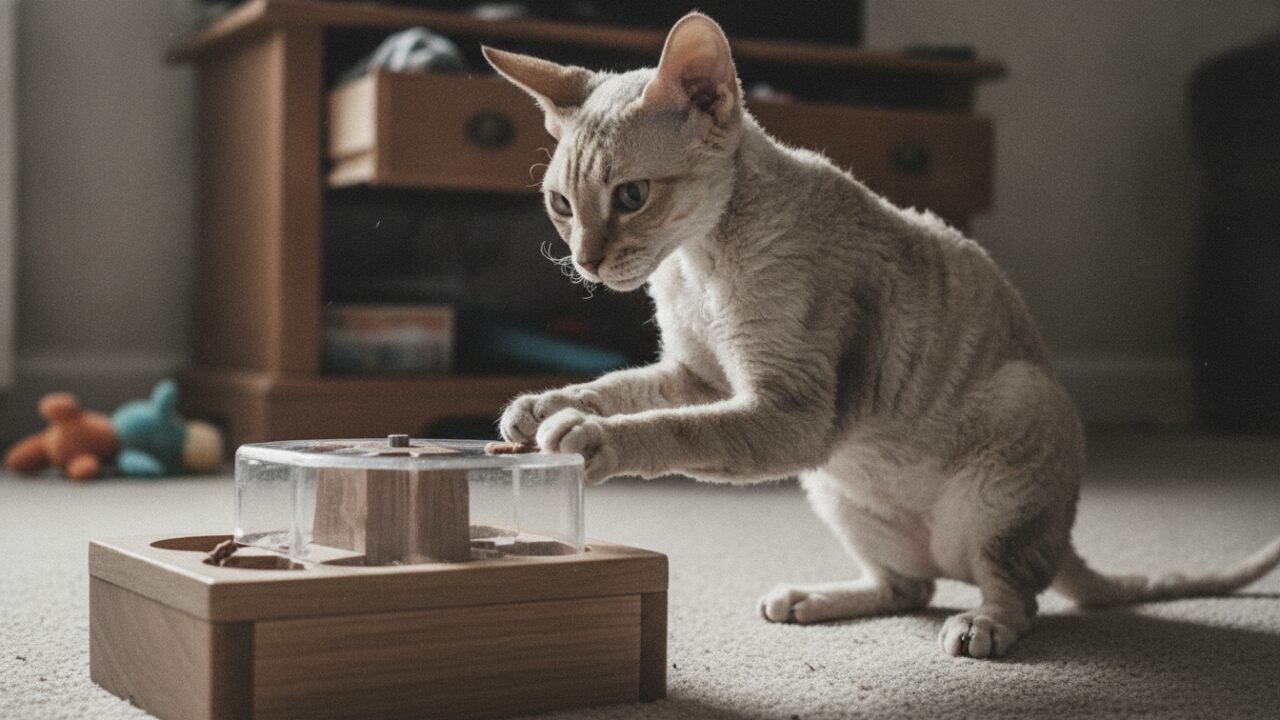
Let's start with the most entertaining. The Cornish Rex, with its curly coat and dancer's body, looks like a hyperactive goblin. And they act like one: open drawers, steal small objects, and hide them, as if keeping a secret inventory of your belongings.
Their specialty is object manipulation. Give them a puzzle toy and they'll solve it while you're still reading the instructions. They are affectionate, clownish, and never stop. The problem: if they get bored, they invent their own entertainment. And their idea of fun rarely matches yours.
4. Maine Coon — The Gentle Giant That Learns Like a Dog
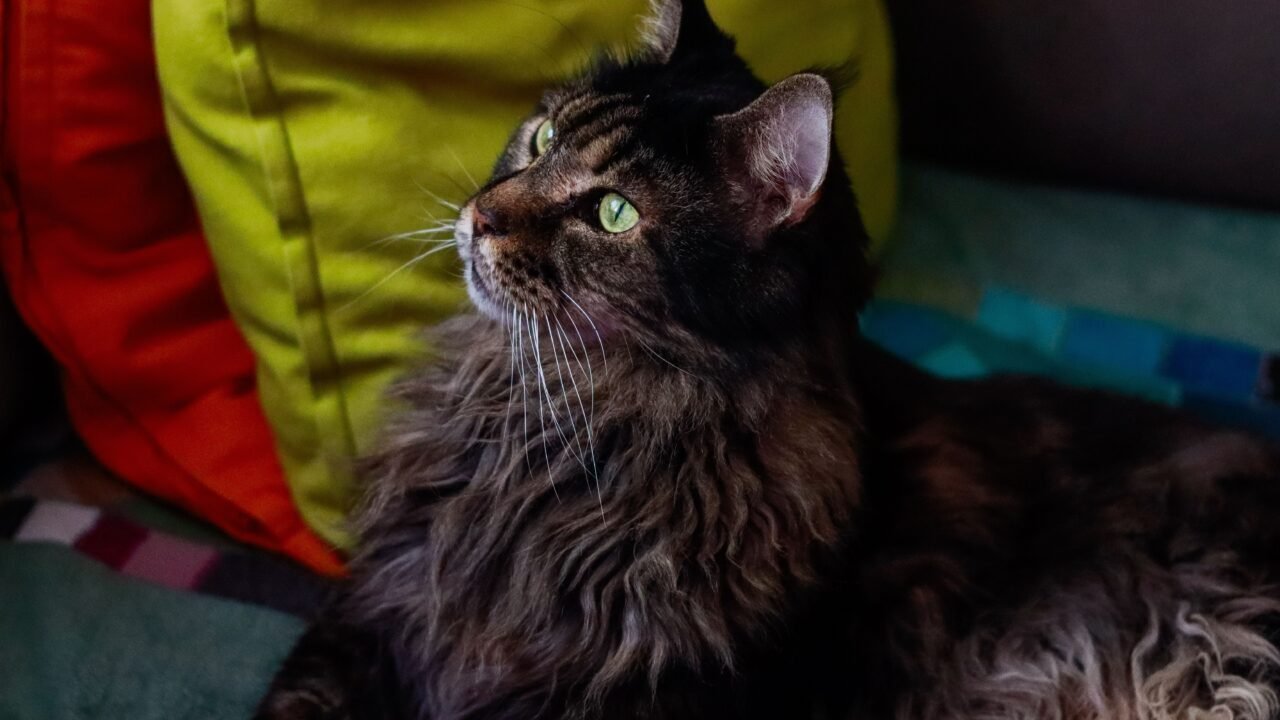
Here we break the myth that "big" means "slow." The Maine Coon, a cat the size of a medium dog, is one of the few felines that learns to play fetch, come when called, and even walk on a leash.

Their trick isn't street smarts, but their connection with people. They understand routines, "converse" with different sounds depending on what they want, and seem to read the household's mood. They are the calm intellectuals of the group: they won't ransack your kitchen, but they know precisely what time you open the canned food. And they will remind you, punctual as a clock.
3. Bengal — The One That Learned to Turn on the Faucet
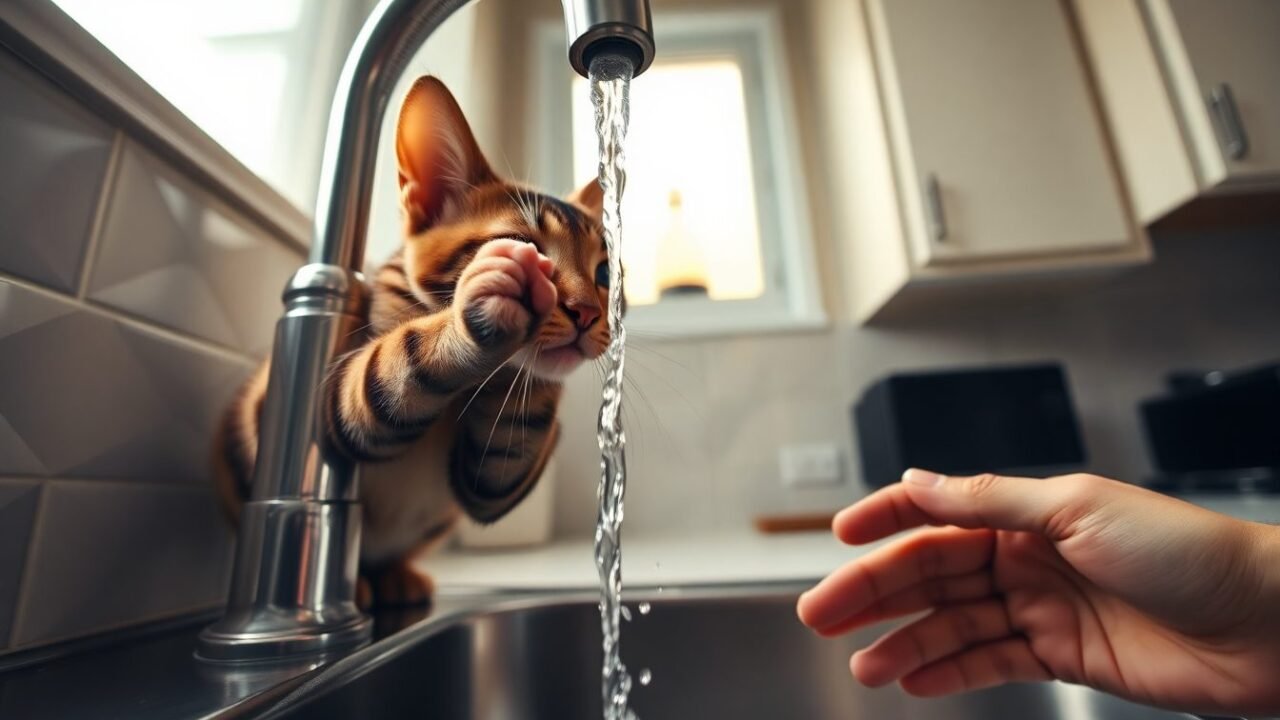
Let's go back to that faucet from the beginning. The Bengal is the plumbing engineer of the feline world: they learn to open doors, cabinets, and yes, turn on the water. They are also fascinated by playing in it. Don't be surprised if one day they try to join you in the shower.
They have an exceptional memory and endless energy. Combine those traits and you get a dangerous cocktail: a brilliant brain packed into an athletic body that requires a constant mission. A Bengal without stimulation doesn't quietly get depressed like other cats. They redesign your house. With their claws.
2. Siamese — The One That Doesn’t Obey: They Negotiate
The Siamese is the politician of the group. They don't do things just to please you; they make calculations. They use their famous voice as leverage: figuring out the exact meow that gets you off the couch and repeating it until you cave. You aren't training them. You are being negotiated with.
They are intensely social, almost dependent, and follow your routine like a chatty shadow. They learn tricks remarkably fast, but only the ones that suit them. Living with a Siamese means having a very clever roommate who has an opinion on everything you do. Out loud. At three in the morning.
1. Abyssinian — The Feline Einstein Who Actually Trains You
And here we reach the top. Abyssinians are called "the Einsteins of the feline world", and it's no breeder exaggeration. This slender cat, with the face of a miniature puma, opens drawers, solves puzzles in record time, and learns complex routines by watching you just once.
But here is the plot twist that changes everything. People assume a cat this smart will be easy to "train." It is precisely the opposite. The Abyssinian doesn't learn to obey you: they learn to read you. They figure out what triggers a reaction, what your schedule is, and which buttons to push to get food, attention, or playtime. Many owners swear their Abyssinian "reads their mind." The truth is more uncomfortable: they aren't reading your mind, they are reading you. And they adjust their strategy every single day.

The smartest cat in the world isn't the one that does the most tricks. It's the one that, without you realizing it, taught you how to do theirs. And that brings us right back to the lesson I promised you at three in the morning.
The Uncomfortable Truth Nobody Tells You Before Adopting a Smart Cat
Look at the pattern across this entire list. Each of these genius breeds comes with the exact same fine print: a smart cat that gets bored won't sit quietly; they turn into a problem. They open what they shouldn't, break what they find, and wake you up whenever they feel like it. Intelligence without stimulation turns into mischief, and mischief turns into destruction.
And here comes the debate that divides cat owners—the one nobody talks about under cute Instagram photos: is it fair to keep such a smart cat locked up alone for nine hours while you work? Some say it's like leaving a gifted child with nothing to do all day. Others reply that we're exaggerating, that it's a cat, not a philosopher. There is no easy answer. But the question makes us uncomfortable for a reason: deep down, we know a bored genius suffers.
And it's not just a matter of conscience. It hits your wallet, too. A brilliant, bored cat is expensive: they swallow a curtain cord and you end up at the emergency vet with a hefty bill. That is why so many owners of these breeds end up investing in puzzle feeders, pet cameras to watch them from work, or even pet insurance that covers high-cost antics. Keeping a genius entertained isn't a luxury: it's the real cost of ownership.
You don't adopt a smart cat to obey you. You adopt one to keep you on your toes. And trust me: they will.
Because ultimately, what makes a cat fascinating isn't how much they cost or how pretty they are, but that spark behind their eyes that challenges you daily. And if a smart cat ends up resembling their owner so much that they even copy your habits, maybe the question isn't whether your cat is smart, but rather how much your cat actually resembles you. The answer will surprise you more than you think.
The Uncomfortable Truth: What Does a “Smart” Cat Mean for You?
Think about it carefully. When you search for "smartest cat breeds" or wonder which is the "smartest cat," what do you expect? One that solves a Rubik's cube? One that brings you your slippers? Sorry, but feline intelligence plays in a totally different league. It's not yours, mine, or a Border Collie's. It's strictly theirs.

We think we want a smart cat, one that understands. But the reality is that what seems like a cute trick to us is pure survival for them. A cat that opens doors or learns to turn on the faucet isn't doing it to impress you. They do it because they are thirsty or because there is something fascinating on the other side. It's pure cunning—the kind that asks for no permission and offers zero apologies.
And here's the twist: smart cats aren't necessarily the most obedient or the calmest. Quite the opposite. Experience shows that an "intelligent" cat is an unyielding detective, a white-glove food thief, and an escape engineer. What you call "intelligence" often translates into a restless mind that tests boundaries and, whether you like it or not, will put you to the test. Get ready, because those "smartest cats" you crave come with an extra load of challenges that nobody mentions in forums. It's like having a brilliant roommate—yes—but one who thinks the rules are mere suggestions and that your food is shared food.
Frequently Asked Questions About the Smartest Cat Breeds
What is the smartest cat breed?
The most frequently cited by breeders and veterinarians is the Abyssinian, nicknamed "the Einstein of the feline world" for its ability to solve problems, open drawers, and learn routines after just one observation. Even so, intelligence varies greatly from cat to cat: a mixed-breed rescue can be just as clever as any pedigreed cat.
How is a cat's intelligence measured?
There is no official feline IQ test. It is evaluated based on their ability to solve problems, learn, adapt, and remember: for example, how they tackle a puzzle toy or whether they remember where you hid their treats. A cat's intelligence is often compared to that of a two- or three-year-old human toddler.
Are smart cats harder to care for?
They generally require more work, yes. A very smart cat gets bored quickly, and a bored cat can become destructive: opening doors, knocking things over, or demanding constant attention. They need ongoing mental stimulation (puzzle toys, interactive games, climbing areas) to channel that energy into something other than dismantling your house.
Can you teach tricks to a smart cat?
Yes, and they learn fast. The most effective technique is clicker training: associating a sound with a reward to reinforce the desired behavior. Breeds like the Maine Coon or the Abyssinian can learn to fetch objects, come when called, or walk on a leash, provided the trick interests them.
Sources: Feline intelligence rankings from PetMD and Reader's Digest, which place the Abyssinian, Bengal, and Siamese among the smartest · as well as feline behavior and environmental enrichment literature explaining why highly intelligent cats need more stimulation to avoid boredom.
This article is informational to help you choose wisely, not a buying recommendation. Adopt whenever possible: there are brilliant mixed-breed rescues waiting in shelters.
🔍 Looking for something else?
If you want to read other articles similar to The 5 Smartest Cat Breeds (And Why They Will Exhaust You) you can visit the category Cat breeds.
Leave a Reply
More cat breeds!