

If a cat drinks little, the first sign isn’t always a full water bowl.Many cats naturally drink little, especially when they eat wet food, but some household clues can indicate that hydration isn’t sufficient: a less wet litter box, more concentrated urine, a duller coat, seeking water in strange places, or unusual sleepiness on hot days. The direct answer is: don’t wait for the cat to “ask for water”; observe routines, litter and behavior.
The problem isn’t only how much water stays in the bowl
Answer: the water level is just an indication. It doesn’t reveal the total amount of liquid the cat actually consumes each day.
Common mistake: assuming “the bowl is there, so there’s no problem”. Some cats avoid bowls near food, stagnant water, plastic containers, or overly exposed spots.
Technical solution: monitor the whole routine: type of diet, urine volume, preference for faucets or showers, house temperature and seasonal changes.
Practical evidence: two cats living in the same home can drink very differently. One compensates with wet food; the other does not. Cats descend from ancestors in arid regions and have a naturally low thirst drive: drinking little is part of their nature, not laziness.
Action: for a week, track how often the litter is changed and whether the water bowl stays consistently full.
Wrap: a cat that drinks little often doesn’t “look” thirsty; it simply adapts its behavior silently — and there’s a precise number to know if it’s drinking enough.
How much water does a cat really need each day?
Answer: a healthy adult cat needs about 40‑60 ml of water per kilogram of body weight per day, including water from wet food. For a 4 kg cat that’s roughly 160‑240 ml total.
Common mistake: counting only what the cat drinks from the bowl. If it eats wet food (which is already 70‑80 % water), it can meet most of its needs without visibly “drinking”.
Technical solution: if the cat eats only dry kibble, ensure it drinks actively; if it eats wet food, a nearly untouched bowl can be perfectly normal.

Practical evidence: according to Small Animal Clinical Nutrition (Mark Morris Institute), water needs vary with diet, temperature, activity and certain conditions (kidney, diabetes, thyroid) that increase demand.
Action: if the cat drinks MUCH more than usual together with very abundant urine, it’s the opposite signal (polyuria‑polydipsia) that requires a vet check, not just a hydration issue.
Wrap: the number helps, but the fastest way to check hydration right now is on its skin, not with a calculator.
The skin‑fold test: check hydration in 10 seconds
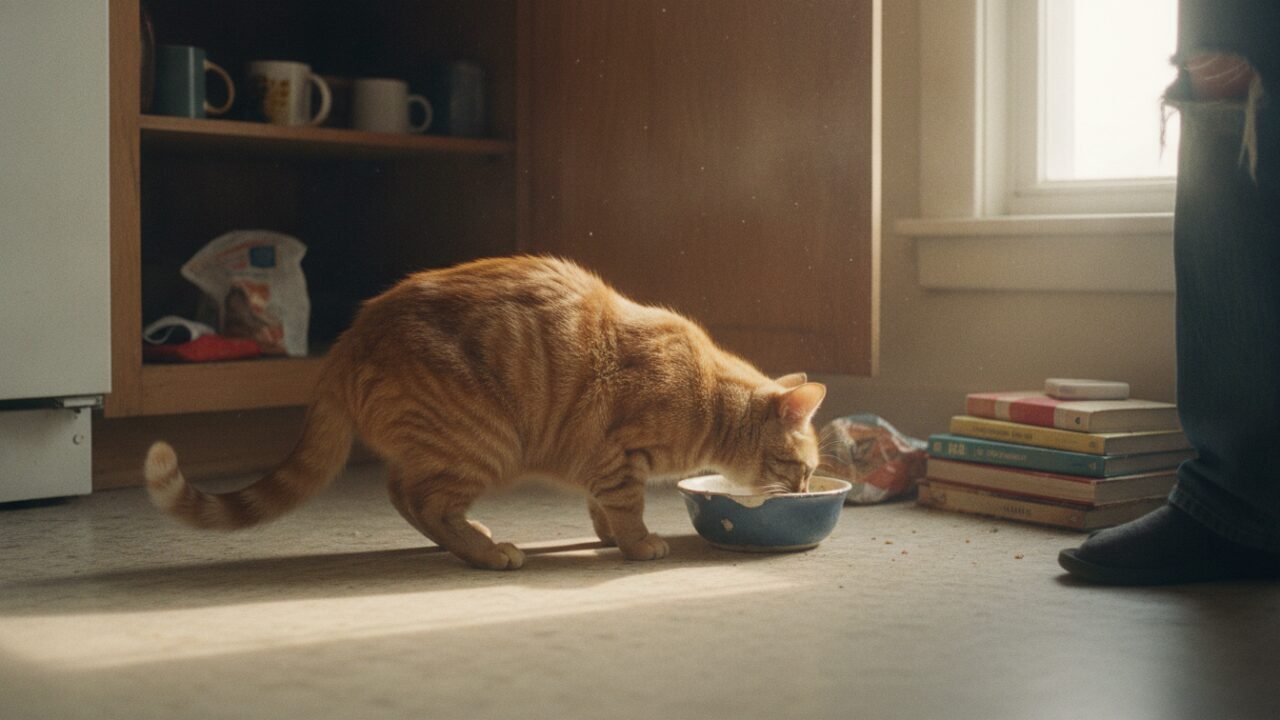
Answer: lift the skin gently between the cat’s shoulder blades and release. If it snaps back immediately, hydration is fine. If it stays “tented” or returns slowly, the cat may be dehydrated.
Common mistake: blindly trusting the result in an elderly or very thin cat: older skin is naturally less elastic, which can give a false positive.
Technical solution: use the test together with other signals: gums (should be moist and pink, not sticky), overall energy, and of course the litter box.
Practical evidence: it’s the same quick test veterinarians use as a first screening, not a definitive diagnosis on its own.
Action: do the test now while you read: if the cat is nearby, try it. Repeat tomorrow at the same time for comparison.
Wrap: if the test raises doubts together with other signs, the next step isn’t to wait — it’s to act on the water itself.

Early signals before obvious thirst
Answer: the most useful signals aren’t dramatic: they’re small, repeated changes.
Common mistake: waiting for strong signals like marked apathy or food refusal. By then the problem may already be advanced.
Technical solution: look for patterns: darker or reduced urine (less than two clumps per day in clumping litter is a sign), dull coat, interest in faucets, sleepiness on hot days.
Practical evidence: the litter box works like a daily log: it indirectly shows whether water is entering and being eliminated normally. Urine should be light straw‑yellow, not dark amber.
Action: don’t rely on a single day. Look for a change that lasts two or three consecutive days.
Wrap: often the most important data isn’t in the bowl, but in the sand.
Practical table: home signals and what to watch
| Signal | What to do | |
|---|---|---|
| Bowl almost always full | Low interest or wrong placement | Try different water spots |
| Litter less wet | Reduced hydration or urinary change | Monitor and consult a vet if it persists |
| Looks for faucet or shower | Preference for fresh or moving water | Offer fresher water and alternative points |
| Dull coat | Routine, diet or hydration to watch | Check together with other signals |
| Sleepiness in heat | Thermal stress or lower liquid intake | Cool the environment and monitor |
How to encourage drinking without forcing
Answer: the best way isn’t to force the cat, but to make water more accessible, fresh and aligned with its preferences.
Common mistake: placing a single bowl next to the food and assuming it’s enough for all cats.
Technical solution: try multiple water points, away from food and litter. Use easy‑to‑clean materials and change water daily. Many cats prefer a fountain with moving water over a still bowl.
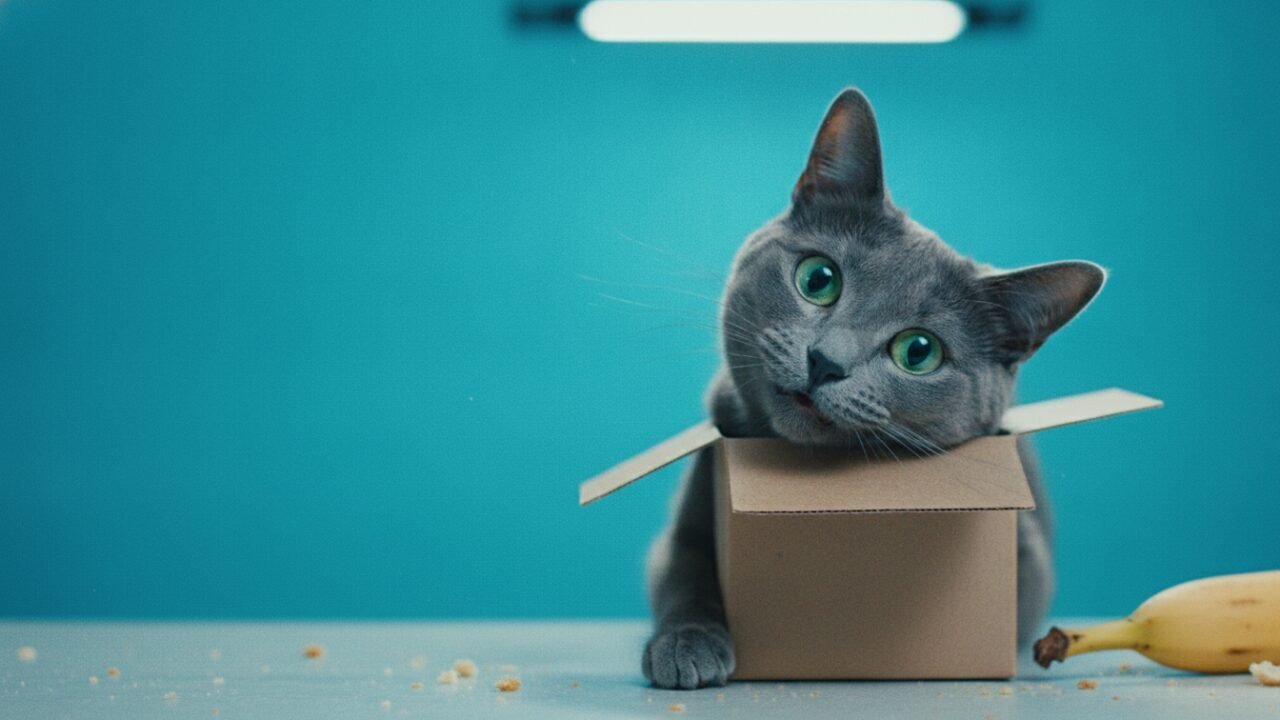
Practical evidence: many cats like fresh water, wide containers that don’t touch their whiskers and quiet spots where they don’t feel exposed. We compared real options (not just the flashy ones) in our guide to cat water fountains.
Action: place two or three water points for a week and see which one the cat actually chooses.
Wrap: the cat isn’t convinced; you just observe and serve in the way its behavior already suggests.
When not to wait any longer and call the vet
If the cat drinks much more than usual, urinates a lot, stops urinating, looks lethargic, vomits, has dry or sticky gums, or shows obvious behavior changes, don’t treat it as a bowl problem. In those cases a same‑day veterinary assessment is needed: a cat that doesn’t eat or drink for over 24 hours is an emergency.
Understanding how much a cat drinks opens the next cluster topic: building a home that helps it stay hydrated without turning every choice into a gadget or a forced routine.
Frequently asked questions
How much water should a cat drink per day?
Around 40‑60 ml per kilogram of body weight daily, including water in wet food.
My cat eats only wet food and drinks almost nothing: is that normal?
Yes, it’s often normal: wet food covers most of the water requirement. Still, keep an eye on the litter box and gums as indirect signals.
How do I perform the skin‑fold test?
Lift the skin gently between the shoulder blades and release: if it snaps back instantly, hydration is fine; if it stays lifted or returns slowly, consider a veterinary check.
When should I take my cat to the vet for dehydration?
If it hasn’t eaten or drunk for more than 24 hours, has dry gums, marked lethargy, or persistent vomiting/diarrhea: these are signs not to manage at home.
Sources
- Hand, M.S. et al., Small Animal Clinical Nutrition, 5th edition, Mark Morris Institute, 2010.
- American Veterinary Medical Association — Feline Lower Urinary Tract Disease
Redazione Los Gatos Baby. Not veterinarians: for any persistent dehydration signs, always consult a professional.
🔍 Looking for something else?
If you want to read other articles similar to Cat drinks little? Early home signs most owners miss before dehydration you can visit the category Colors.
Leave a Reply
More cat breeds!