

A owner took her cat to the vet because 'she was getting thinner'. Under all that fur, she had been sick for weeks and no one had noticed.
The luxurious coat that made her look like a giant plush toy hid a failing body. And that's the truth no flattering photo of a fluffy cat tells you: the more spectacular the coat, the more it can conceal. Keep this in mind, because it explains why the number one on this list is also the most treacherous.
We'll run through the world's fluffiest cat breeds, from least to most hairy. But each breed comes with fine print that most people skip before falling in love.
8. Birman — the silk-gloved cat
We start soft. The Birman has a semi-long, silky coat with little undercoat and those famous white 'gloves' on the paws. It's one of the easier long-haired breeds to maintain: it barely mats. A good option if you want a luxurious look without brushing becoming a full-time job. But wait — from here things get literally denser.
7. Turkish Angora — the long-haired dancer
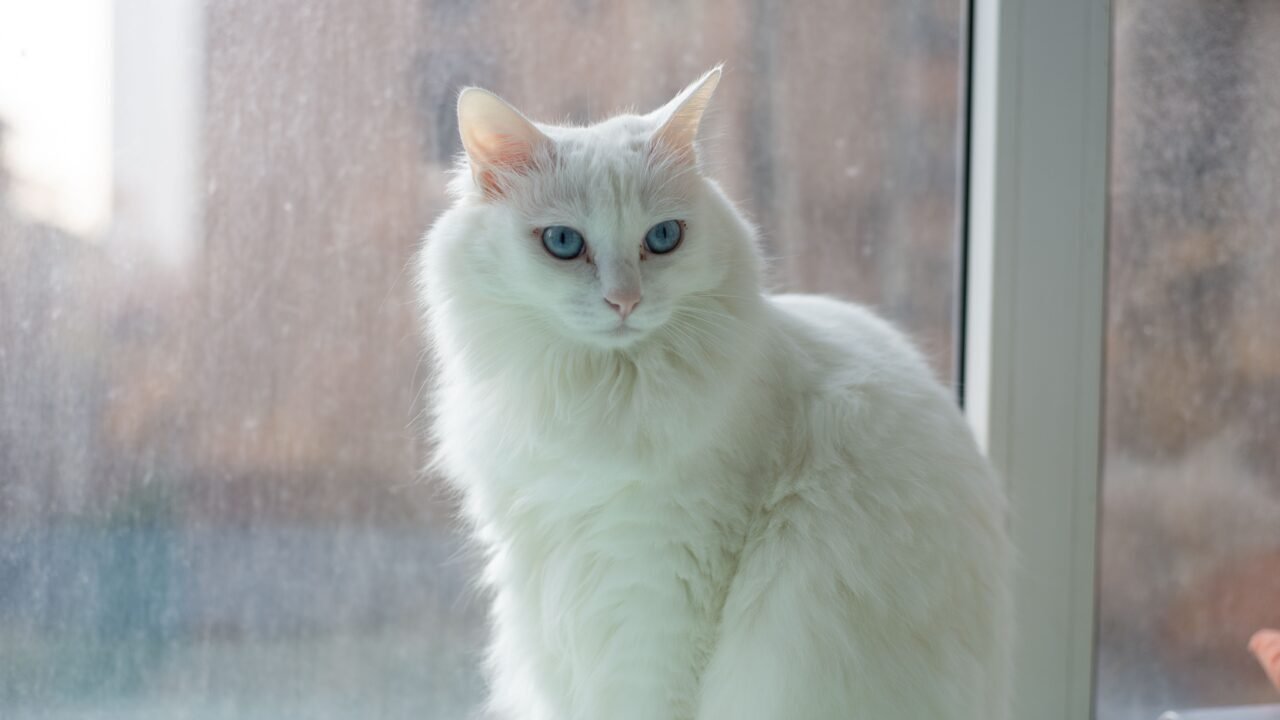
Elegant, athletic and sporting a fine coat that shines like silk in the light, the Turkish Angora looks as if it belongs in a painting. It grooms obsessively, which helps, but don’t get complacent: during shed cycles that fur ends up everywhere in your home. Gorgeous on the cat. Less so on your black clothes.
6. Ragdoll — the plush that melts into your arms
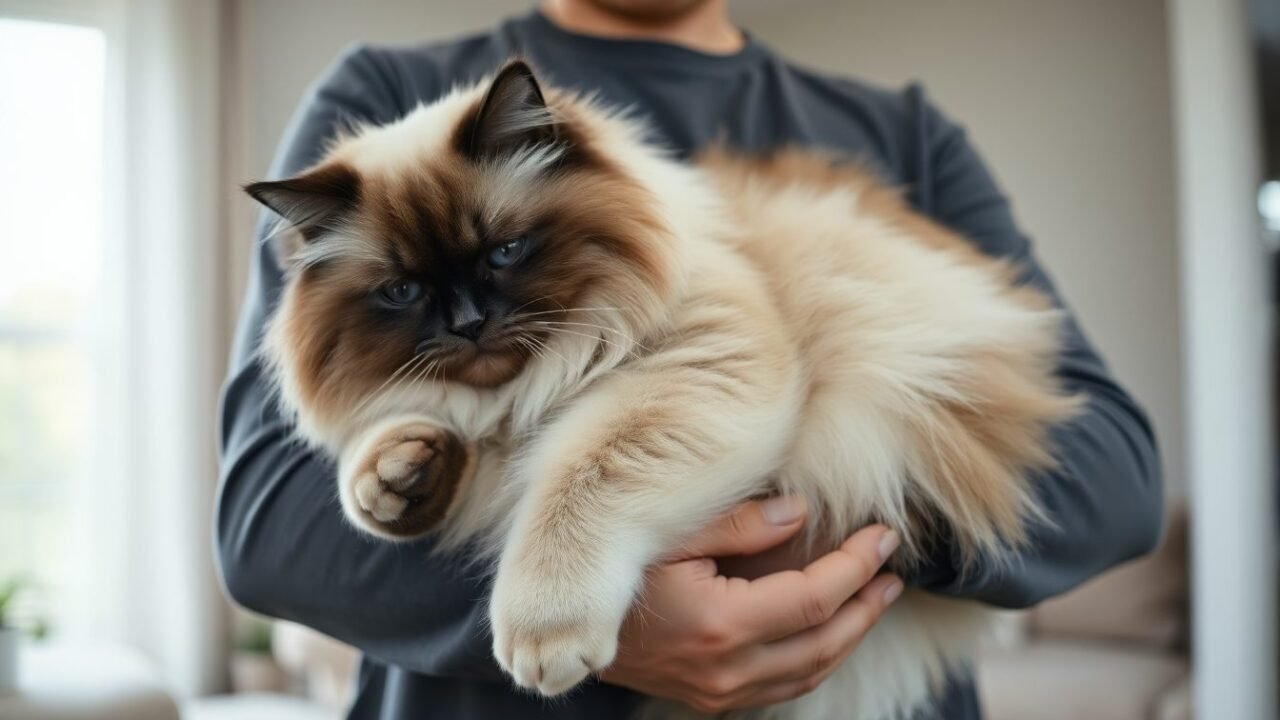
The Ragdoll is huge, with rabbit-soft fur, and a trait that wins hearts: it goes completely limp when you pick it up, like a ragdoll (hence the name). That softness has a cost: its fur mats quickly around the armpits and behind the ears if not brushed regularly. A neglected Ragdoll isn't a toy. It's a knotty mess with legs.

5. Norwegian Forest Cat — the double-coated Viking
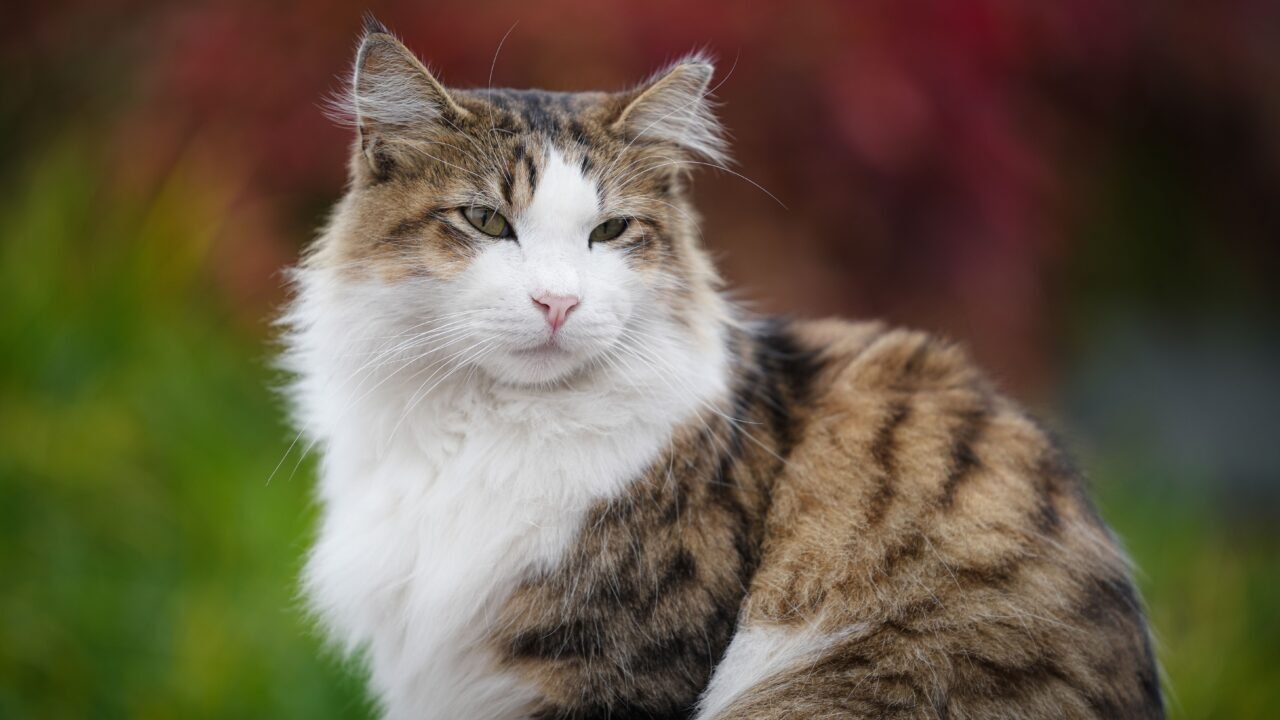
This breed evolved to survive brutal winters, so it comes with a double coat: a warm insulating underlayer and a water-resistant outer layer. The result is a sturdy cat with a lion-like ruff and a plume tail. Its coat mostly takes care of itself… until spring shedding, when it loses enough fur to knit another cat. And here's the first serious warning: you should NEVER shave a double-coated cat because of the heat. I’ll explain why at number one.
4. Siberian — the three-layer coat
This raises the stakes above the Norwegian. The Russian Siberian has one of the densest coats in the feline world: up to three layers to withstand freezing temperatures. It's abundant, water-resistant and surprisingly resistant to tangles. A curiosity that gives it a reputation: despite being so fluffy, many allergy sufferers tolerate it better than other breeds. Note: 'better' isn't 'none' — it still sheds the allergen, just sometimes a bit less.
3. Maine Coon — the shaggy giant
The colossus of the list. A Maine Coon can weigh like a small dog and its long, uneven, woolly coat gives it that rumpled lion look. Here's the trap many owners discover too late: underneath that enormous mane you need daily brushing, and the rear 'britches' mat mercilessly. The bigger the cat, the more surface fur. And more fur in your food.
2. Himalayan — magazine-beauty with double downsides
A cross between the Persian and the Siamese: the long, plentiful coat of the Persian with the blue eyes and color points of the Siamese. It's one of the most photogenic cats around. But it inherits the worst of both breeds at once: the Persian's tendency to mat and, often, the flat face that can cause breathing issues. Double the beauty, double the upkeep, double the vet visits. And we haven't reached the king yet.
1. Persian — the hairiest and the most treacherous of all
Back to that sick cat from the start. Very often in that kind of story, there's a Persian involved. Its coat is the longest, densest and most spectacular in the feline world... and for that very reason, the most dangerous. That coat mats into knots that pinch the skin, trap moisture and bacteria, and can cause painful infections. In extreme cases, mats are so tight they make it hard for the cat to walk or use the litter box.

But the real danger that opened this piece is: all that wool hides the body. You don't see weight loss. You don't see fleas. You don't notice a lump or a wound until it's serious. The fur that makes them beautiful is also a mask that delays every diagnosis.
And now the myth that can cost a cat its health: many people, with good intentions, shave their Persian in summer 'so it won't be hot'. It's a mistake. The coat of a double-coated cat helps regulate temperature and protects against sun; shaving exposes them and can make the coat regrow poorly. Vets only recommend shaving for severe matting, and it should be done by a professional. The real rule is boring but life-saving: brush daily, not scissors.
The uncomfortable truth about owning a fluffy cat
Look at the pattern. All these breeds share the same fine print: that cover-model fur is daily work and a curtain that hides problems. It isn't an accessory that cares for itself. It's a years-long commitment.
And here's the debate that makes some people uncomfortable: is it fair to keep an Arctic-coated cat in an apartment that reaches 86°F (30°C) in summer? Some argue that with air conditioning and regular brushing it's fine; others say it's sentencing the cat to heat it wasn't built for. There's no single answer, but it's a question worth asking before adopting based on a cute photo.
It's not just about conscience: it's about money. A very fluffy cat usually means professional grooming every few weeks, de-matting sessions, and vet bills when a mat gets infected or ingested hair causes a blockage. Many owners of these breeds end up valuing pet insurance for precisely that reason. The beauty of the coat isn't free: you pay in brushing, time and, eventually, money.
A fluffy cat isn't more affectionate or happier than a short-haired one. It's just more work. And that work, done or not, shows up in their health.

In the end, what makes a cat special was never how much fur it has, but what's underneath. And if you're fascinated by felines that break the mold, get ready for something even more extreme: don't miss the world's rarest cats, those oddities that look made-up. There's one that doesn't even look from this planet.
Frequently asked questions about the fluffiest cat breeds
Which cat breed is the hairiest?
The Persian takes the title for its long, dense and abundant coat, closely followed by the Maine Coon and the Siberian. That said: more fur means more care. The Persian needs daily brushing to prevent painful mats that can lead to skin problems.
Can you shave a fluffy cat in summer so it won't overheat?
In general, it's not recommended, especially for double-coated breeds like the Siberian or the Norwegian Forest Cat. Their coat helps regulate temperature and protects the skin from the sun; shaving can be counterproductive. Shaving is only advised on veterinary grounds for severe matting, and it should be done by a professional. The right approach is daily brushing.
Do fluffy cats cause more allergies?
Not necessarily. Allergies are triggered by a protein in a cat's saliva and skin, not by hair length. Interestingly, some very fluffy breeds like the Siberian are often better tolerated by allergic people. But no cat is completely hypoallergenic: some produce less allergen than others.
How often should you brush a long-haired cat?
Ideally, daily, or at least several times a week. Brushing prevents mats, reduces hairballs from grooming, and is the best time to check the skin for fleas, wounds or lumps that the coat might hide.
Where this comes from: grooming guides from VCA Animal Hospitals and the ASPCA, which discourage shaving cats except for veterinary reasons and explain the risks of mats (infections, skin problems) · and breed literature on long-hair care and maintenance.
This is educational information to help you care better for your cat, not a buying recommendation. Adopt whenever possible.
🔍 Looking for something else?
If you want to read other articles similar to The Fuzziest Cat Breeds (and the Hidden Trap of All That Fur) you can visit the category Cat breeds.
Leave a Reply
More cat breeds!