

It fit in the palm of a hand. And it wasn't a kitten: it was a fully grown cat.
Her name was Tinker Toy, and for decades she held a record that sounds adorable and hides something few want to face. Because when a cat is this small, the first question is 'how?'. The second — the uncomfortable one, and the one this article will answer — is 'at what cost?'.
Get ready: the story of the world's smallest cat begins like a fairy tale and ends as a warning.
The cat that was smaller than a fork
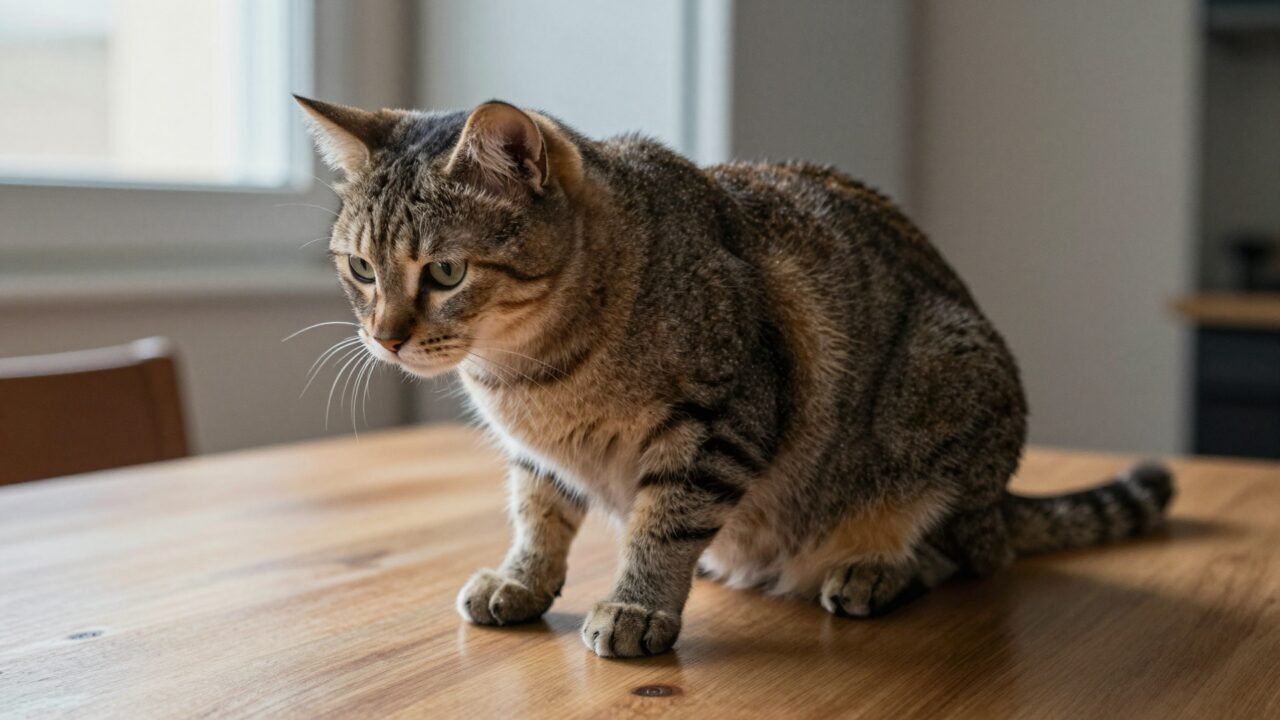
Tinker Toy was a blue point Himalayan–Persian, and the numbers still leave people stunned: 7 centimeters tall and 19 cm long as an adult. Smaller than many remote controls. Guinness recognized her as the smallest cat ever recorded, a title no one has taken from her to date.
She was born at Christmas 1990, and here's the detail people miss: she was the weakest of a litter of six. The runt. The one that rarely survives in the wild. Her size wasn't a 'breeding design' or a special breed: it was an extreme biological fluke. And that distinction, the one that separates what happens naturally from what is manufactured, is exactly where the problem starts.
How small is born... and how small is made
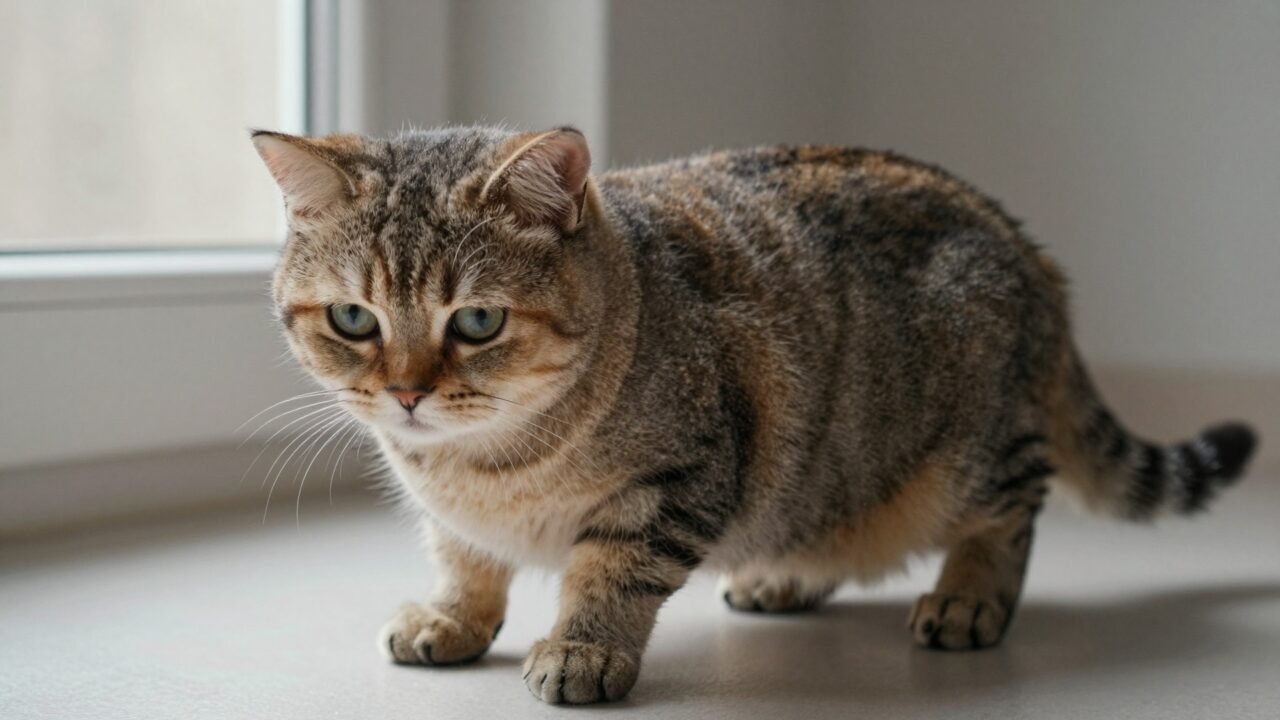
There is a tiny breed that is truly healthy: the Singapura, the smallest natural domestic breed. It weighs barely 2 kg, has huge eyes and energy that belies its size. It's small because nature made it that way—nobody 'shrunk' it. That's the right model.

The problem shows up when smallness stops being a gift of genetics and becomes a product for sale. That's where two words that cute photos never explain enter the scene: dwarf and teacup. And behind both there is much more fine print than would fit in a teacup.
🔎 WHAT YOU THINK: a 'teacup' cat is simply a tiny, adorable version of a normal cat.✅ WHAT HAPPENS: 'teacup' is not a breed. Often it's the runt of the litter, a cat with a mutation, or — in the darkest cases — a kitten whose growth was deliberately stunted.
The dark side cute photos don’t show
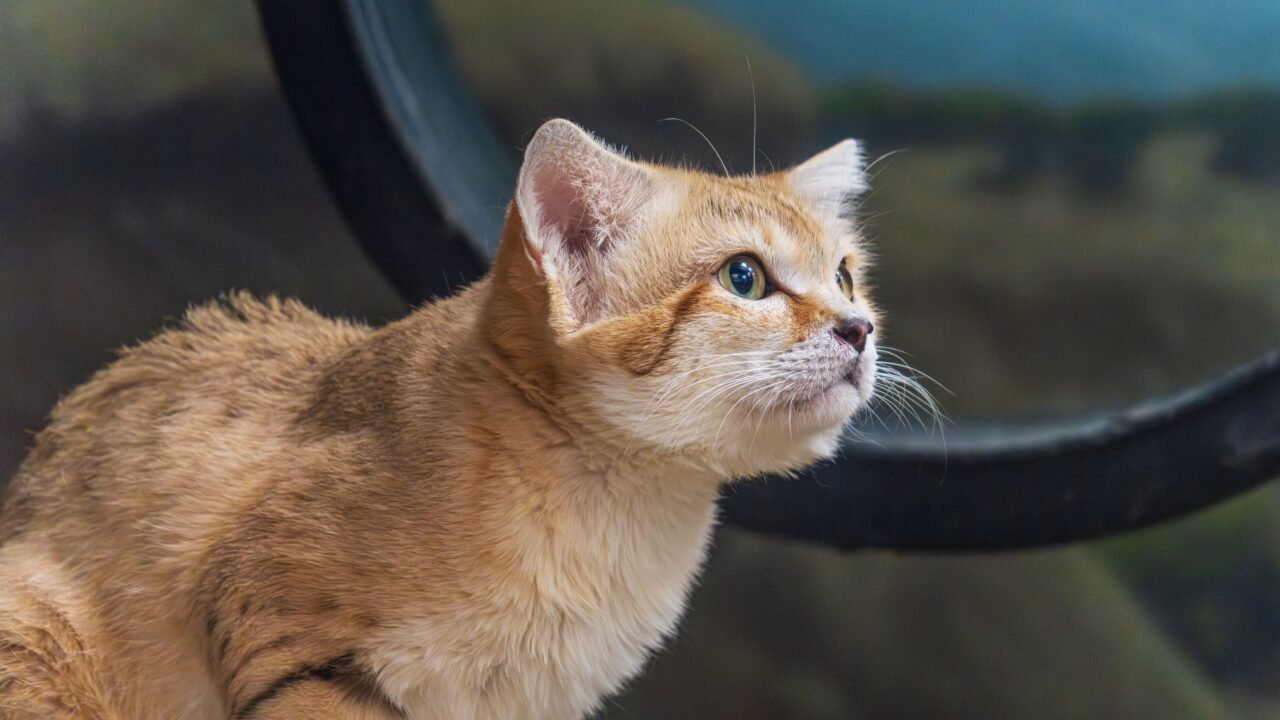
The most famous dwarf cat is the Munchkin, the one with very short legs that looks like a dachshund with whiskers. You can't help saying 'aww'. But those legs are not mere aesthetics: they're the result of a genetic mutation (dwarfism) that affects bone development.
And here's the chilling fact: breeding two short‑legged Munchkins produces an almost 100% mortality rate among the kittens. The gene that makes them adorable is, in double dose, lethal. That's why several major cat associations refuse to recognize the breed, and in some countries breeding them is directly prohibited on animal welfare grounds. Not by whim: by evidence.
The 'teacup' issue can be even murkier. Because there's no real breed behind it, some unscrupulous breeders sell as 'mini exclusive' a kitten that is actually sick, malnourished, or whose growth was stunted on purpose so it fits the viral photo. The buyer thinks they're paying for cuteness. Sometimes they're paying for an animal with lifelong health problems.
And here's the debate that ignites every comment thread: do we have the right to breed animals ever smaller just because we find them cuter? Some argue many dwarfs live happy, healthy lives; others say manufacturing rarities for the 'cute' market crosses a line. What isn't up for debate is the wallet: a dwarf or dubious 'teacup' cat can carry bone, joint and organ problems that translate into veterinary bills for life. That cute shopping cart can turn out very expensive.

A tiny cat can be a miracle of nature, like Tinker Toy or the Singapura. Or it can be an illness wrapped in a bow. The difference isn't in the photo: it's in how it came to be.
So the next time you see a kitten that 'fits in a teacup', you'll no longer see only cuteness: you'll see the right question. And if this trip through the extremes of the feline world fascinated you, there's a perfect flip side to this story, equally astonishing and with its own hidden trap: discover which is the world's largest cat and why the record isn't what you imagine.
Frequently asked questions about the world’s smallest cat
What's the world's smallest cat?
The historical record belongs to Tinker Toy, a Himalayan–Persian who measured just 7 cm tall and 19 cm long as an adult, recognized by Guinness as the smallest cat ever documented. She was an exceptional case: the weakest of her litter, not a breed.
Which cat breed is the smallest?
The Singapura is the smallest natural domestic breed, weighing around 2 kg. It's small in a healthy, natural way. Different is the Munchkin, small due to a dwarfism mutation, whose breeding raises health controversies.
Are 'teacup' or dwarf cats healthy?
It depends on origin. 'Teacup' is not a recognized breed: many are runts, genetically mutated, or animals whose growth was unethically stunted. They can have bone, joint and organ problems. Before buying a 'mini', be wary and prioritize health over size.
Why is Munchkin breeding banned in some countries?
Because its defining trait comes from a dwarfism mutation, and breeding two short‑legged individuals results in very high mortality among the offspring. Several feline federations and laws consider it the propagation of a 'genetic disease' and refuse to accept or allow its breeding.
Where this comes from: the Guinness World Records entry for Tinker Toy as the smallest cat ever documented · breed information on the Munchkin and the stance of feline federations (like FIFe) that reject breeding based on dwarfism on welfare grounds · and the literature on 'dwarf cats' and 'teacup cats' warning about their health risks and unethical breeding practices.
This is educational content to help you choose with your head, not just the photo. Adopt whenever you can: true cuteness doesn't need to fit in a teacup.
🔍 Looking for something else?
If you want to read other articles similar to The World's Smallest Cat: Tinker Toy and the Teacup Problem you can visit the category Small.
Leave a Reply
More cat breeds!