

You found it in the food bowl. A tiny white splinter, so small that for a second you thought it was a grain of rice. It was a tooth. And the question that immediately follows is always the same, with a slight touch of panic: is this going to happen again?
Short answer: no. And that is the good news. The bad news is that if your cat loses a tooth past a certain age, they aren't shedding anything—they are losing something that won't grow back.
How many times do cats lose their teeth?
Just once in their entire life. Cats are, much like us, diphyodont animals, meaning they have two sets of teeth: a temporary set that falls out and a permanent set that stays for good. There is no second shedding, no third, and no variation by breed.
It's worth stating clearly because the opposite circulates on many blogs: there is no cat breed that loses its teeth twice. Not the Persian, not the Siamese, not the Maine Coon. A pedigreed cat and a stray cat follow the exact same dental timeline, because that schedule is dictated by the species, not the lineage.
The complete timeline, month by month
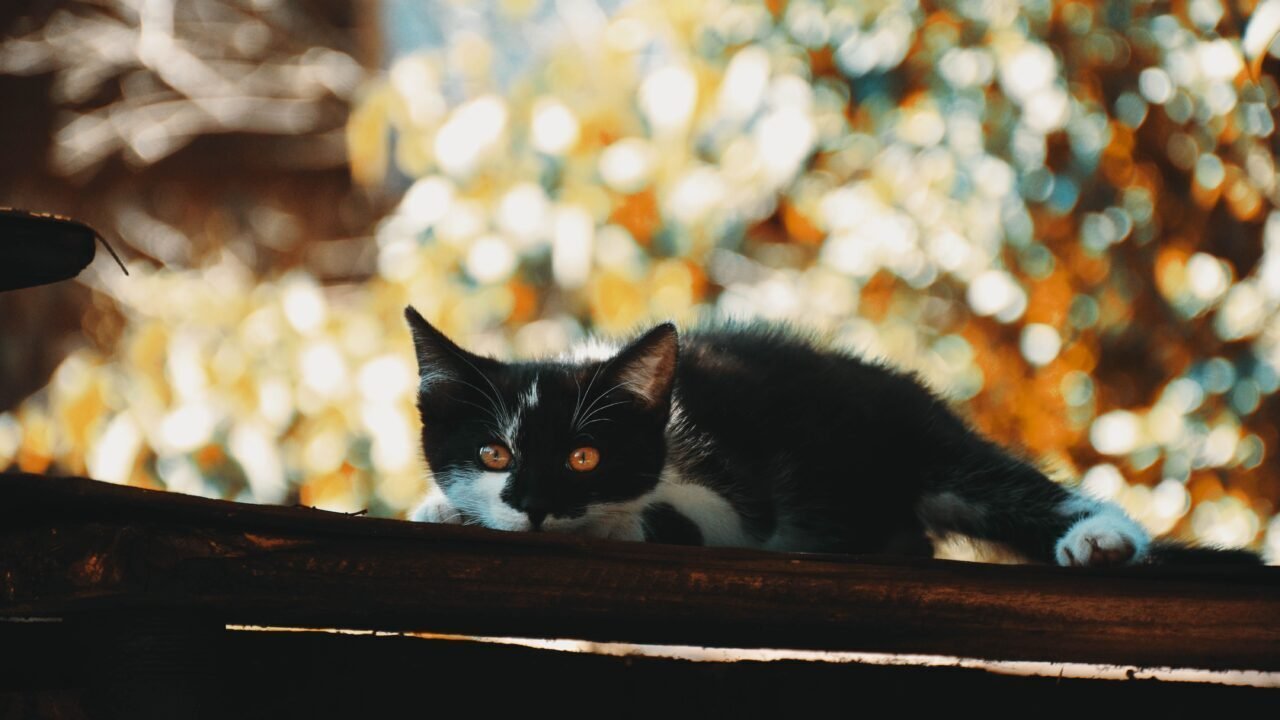
A kitten is born without a single visible tooth and ends up with 30 in just over half a year. The journey has two acts.
Act one — milk teeth. Incisors peek through between 2 and 4 weeks of age; premolars arrive around 5 or 6 weeks. By 6 to 8 weeks the set is complete: 26 deciduous teeth. They are smaller, sharper, and somewhat translucent compared to the adult ones.
Act two — the replacement. It starts around 3 months and follows this order: first the incisors, between 3 and 4 months; then the canines and premolars, between 4 and 5; and finally the molars, which between 5 and 6 months don't replace anything—they are brand-new teeth that didn't exist in the baby set. By 6 or 7 months the process is complete with 30 permanent teeth: 12 incisors, 4 canines, 10 premolars, and 4 molars.

That is why the total goes from 26 to 30 instead of staying the same. It's not that extra teeth are growing; it's that the molars arrive late, directly in an adult version.
Why you almost never find the teeth

Because your cat swallows them. It sounds alarming, but it isn't: most kittens ingest their own milk teeth while eating, and they pass through the digestive tract without causing any issues.
The ones that do show up usually turn up in the bowl, on the bed, or stuck to a chew toy. If you find two or three during the entire stage, you're already lucky. And if you don't find any, it doesn't mean something is wrong.
What you will notice is behavior. During teething, gums are sore, and a kitten in discomfort chews on everything with texture: cords, furniture corners, your fingers with more enthusiasm than usual. It's not that they've turned aggressive at four months old. It's that their adult teeth are coming in and they need pressure to find relief. Give them soft chew toys and your chair legs will thank you.
The problem that actually needs a vet: the tooth that won’t fall out

If you see two teeth in the same spot—the baby tooth still firm and the adult one coming out right next to it—that is called a persistent deciduous tooth and it needs to be checked out. It won't resolve on its own.
The baby tooth takes up the spot meant for the permanent one and forces it to grow in crooked or displaced. The result is crowding and a misaligned bite, with two pieces sharing space and trapping food and plaque between them. The most common ones are the upper canines, followed by the lowers, and then the incisors.

The practical sign is easy to remember: if after 6 months your cat still has two teeth in the same position, book an appointment. Extracting the extra one is a simple procedure and prevents a lifetime of dental issues.
And if your adult cat loses a tooth…
That is no longer shedding—it's loss, and it always has a cause. Past 7 months, a cat's dentition is complete and permanent. A tooth that falls out after that age fell out for a reason—periodontal disease, trauma, a resorptive lesion—and it's best to figure out what that reason is.
Dental disease starts creeping in earlier than people think, starting around age three. Persistent bad breath, red gums, chewing on one side, or leaving food half-eaten are signs that usually precede tooth loss. In this case, you shouldn't wait to find a tooth in the bowl.
Frequently Asked Questions
Do cats lose their teeth more than once?
No. Cats have two sets of teeth throughout their lives: 26 milk teeth and 30 permanent ones. The replacement happens only once, between 3 and 7 months of age, and is the same across all breeds.
Is it normal for my kitten to bleed a little from the mouth while teething?
Very light, occasional bleeding can accompany a falling tooth, much like in children. What isn't normal is heavy or continuous bleeding, strong bad odor, or a sudden loss of appetite: that warrants a vet visit.
How many teeth does an adult cat have?
Thirty: 12 incisors, 4 canines, 10 premolars, and 4 molars. That's 16 on top and 14 on the bottom.
Sources: Merck Veterinary Manual (feline dental development) · VCA Animal Hospitals (persistent deciduous teeth) · PetMD (teething timeline). At Los Gatos Baby we are not veterinarians: we compile what the sources say and tell you when it's best to consult one.
🔍 Looking for something else?
If you want to read other articles similar to How Many Times Do Cats Lose Their Teeth? The Answer Is Just Once (And Here Is the Timeline) you can visit the category Health & Care.
Leave a Reply
More cat breeds!