

Welcome, cat lovers! Today I'll show you how to make a cardboard scratching post for your pampered kitty. This item is essential so your cat can sharpen its claws without ruining your furniture. Follow the steps and DIY at home—your cat will thank you!
An affordable and fun toy for all cat breeds: How to make a cardboard scratching post at home
For all cat breeds, an affordable and fun toy is making a cardboard scratching post at home. This is easy to do and you'll only need a few basic supplies.
Step 1: Gather old cardboard boxes and remove any glue, tape, or labels.
Step 2: Cut the cardboard into long, wide strips.
Step 3: Using a stapler, join several strips together to make a long, thick tube.
Step 4: Attach the tubes together with staples or adhesive tape to build a solid structure.
Step 5: Glue leftover cardboard to the top of the structure to create a scratching surface.
Step 6: Optionally, you can decorate the exterior with wrapping paper, paint, or any other creative design.

Your new scratcher will be a source of endless fun for all cat breeds, and best of all, it won't break the bank. Make one today!
Frequently Asked Questions
How can we customize a cardboard scratching post to suit our cat breed’s specific needs?
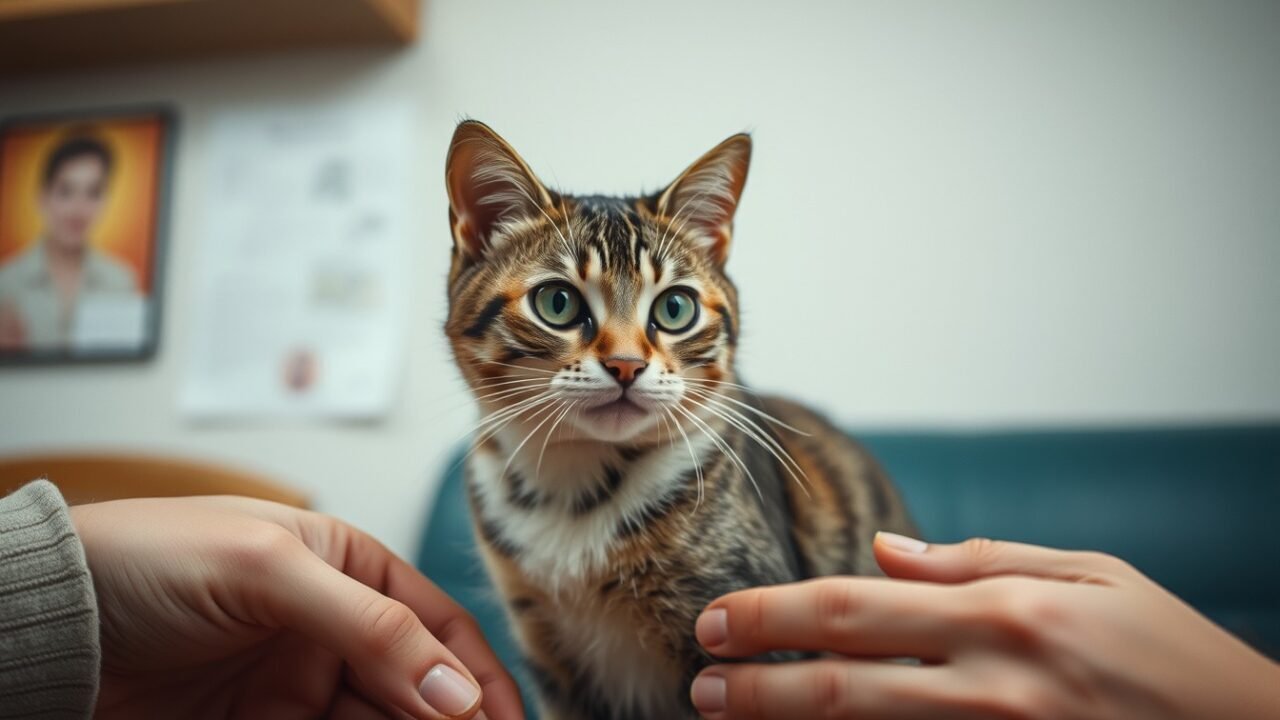
To customize a cardboard scratcher to fit the specific needs of our cat breed, we can follow these steps:
1. Research our cat breed's traits: Every cat breed has different needs and preferences regarding where they rest and play. For example, some cats prefer high spots, while others prefer areas closer to the floor. By researching our cat breed's characteristics, we can design a custom cardboard scratcher that suits their specific needs.
2. Sketch a custom design: Once we know our cat breed's needs and preferences, we can sketch a custom design for the cardboard scratcher. For instance, if our cat breed prefers high places, we can design a scratcher with multiple platforms at different heights. If our cat breed prefers ground-level spots, we can design a scratcher featuring one or more entryways.
3. Cut and assemble the cardboard: After designing our custom cardboard scratcher, we can cut and assemble the cardboard pieces following our design. It's important to make sure the scratcher is sturdy enough to support our cat breed's weight.
4. Personalize with toys and accessories: To make our cardboard scratcher even more appealing to our cat breed, we can personalize it with toys and accessories. For example, we can hang string toys from the platforms or place soft cushions so our cat breed feels comfortable.
In short, to customize a cardboard scratcher for our cat breed's specific needs, it's essential to research our cat breed's traits, sketch a custom design, cut and assemble the cardboard, and personalize it with toys and accessories. With a bit of creativity and effort, we can make a cardboard scratcher that is the perfect spot for our cat breed to rest and play.

What safety measures should we take when building a cardboard scratcher to prevent injury risks for our pets?
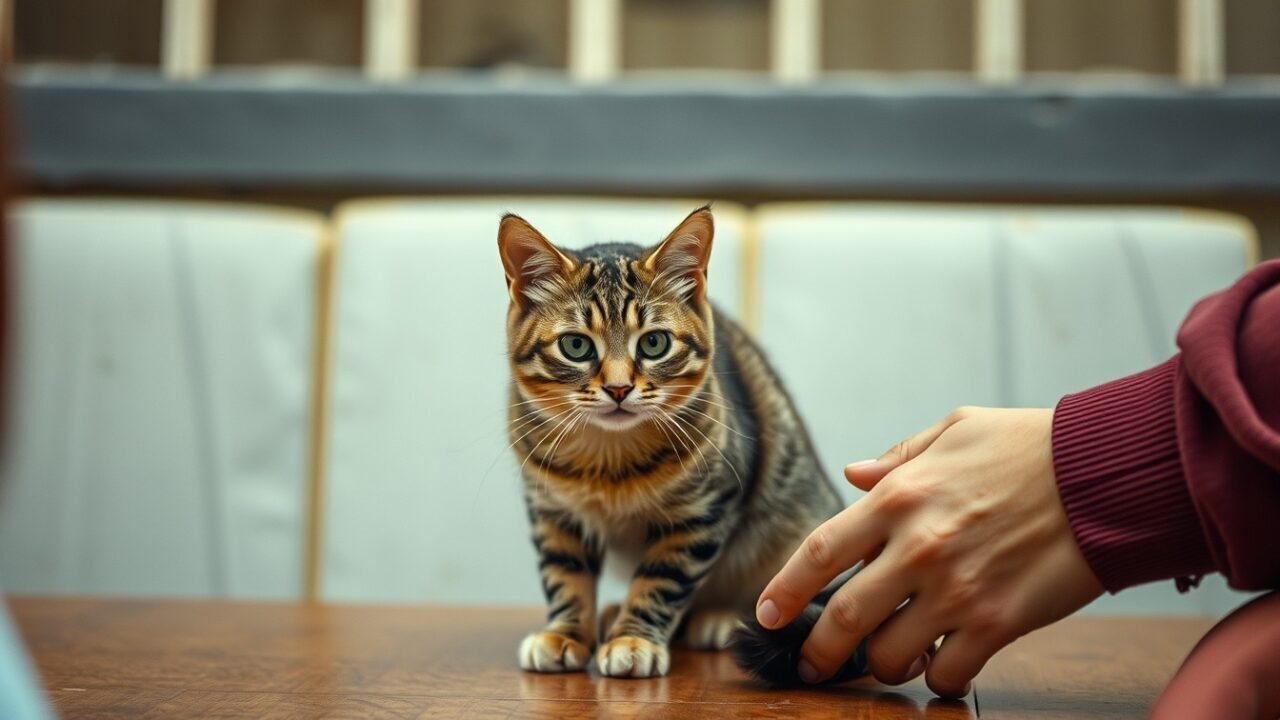
When building a cardboard scratcher for your cat, it is important to take safety precautions to avoid injuring your pet. Here are a few suggestions to keep in mind:
1. Use only safe and sturdy materials: The cardboard you use should be sturdy and non-toxic for the cat. Also, make sure the tools and materials you use to build the scratcher are safe.
2. Avoid dangerous elements: Do not use wire or other sharp items that could hurt your cat. Additionally, the edges of the scratcher should be smooth and rounded to prevent cuts.
3. Ensure stability: The scratcher must be firmly secured and safe so it won't tip over or wobble while the cat uses it. Make sure the scratcher is balanced and the base is solid.
4. Consider the cat's size and weight: The size of the scratcher should be appropriate for your cat and account for its weight. If your cat is large or heavy, the scratcher needs to be bigger and sturdier to support the weight.
5. Place the scratcher in a safe location: Position the scratcher in a safe place free of obstacles. Avoid areas with dangerous objects that your cat could easily access.

By following these suggestions, you can build a safe and fun scratcher for your cat. Remember that your pet's safety is top priority.
Are there any cat breeds that are particularly picky about their cardboard scratchers and require more elaborate or specific designs?
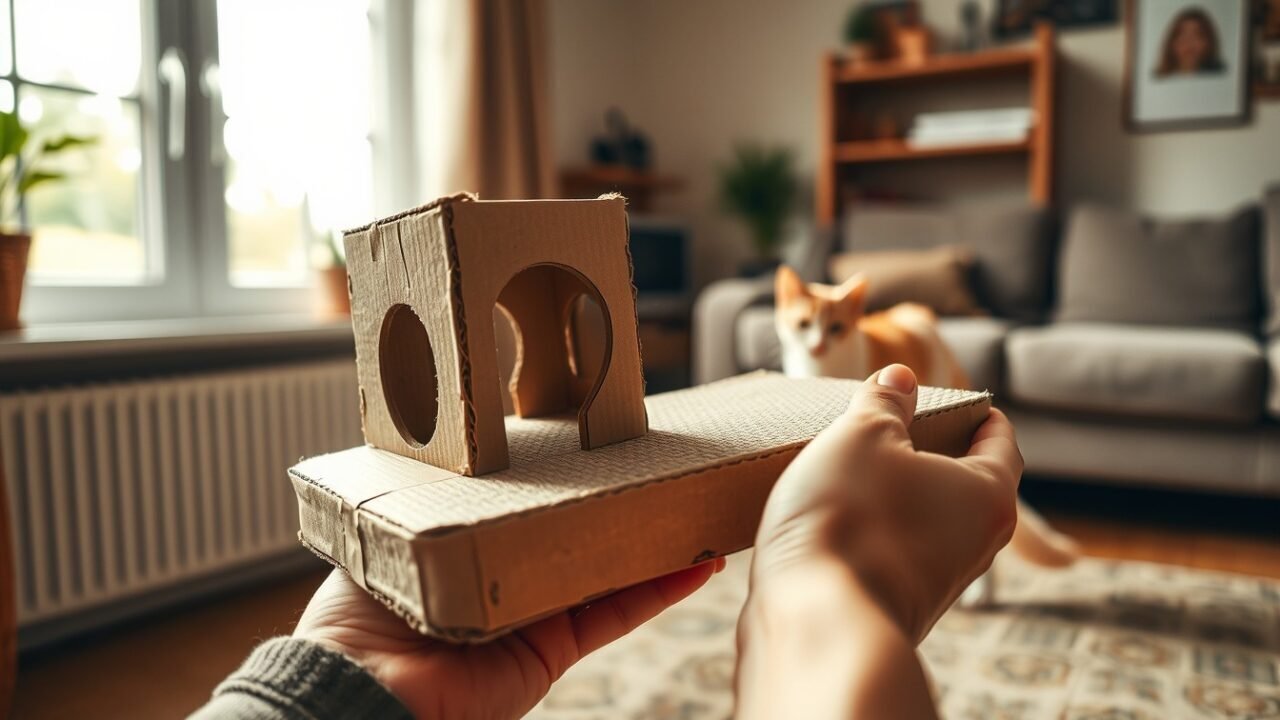
Yes, there are some cat breeds that are pickier about their cardboard scratchers due to their nature and personality. For example, Siamese cats are known for being very selective with their toys and scratchers. This cat breed is intelligent and active, so they prefer scratchers that offer different height levels and various scratching materials.
Bengal cats can also be demanding regarding their scratchers, since they are very energetic and athletic cats that require a scratcher capable of withstanding their weight and physical activity without wearing out quickly.
On the other hand, Persian cats are a calmer and more relaxed breed, so they aren't as fussy about their scratchers. However, due to their dense and long coats, it is important to choose a scratcher that doesn't generate static electricity to keep fur from sticking to their coat.
In conclusion, every cat breed has its own preferences when it comes to cardboard scratchers. It is important to consider the unique personality and needs of each cat when choosing a scratcher they will enjoy and use frequently.
🔍 Looking for something else?
If you want to read other articles similar to How to Make a Cardboard Cat Scratching Board at Home you can visit the category Guides.
Leave a Reply
More cat breeds!