

Cold weather arrives and your cat starts staring at its bowl as if it hasn't eaten in days. It meows more, patrols the kitchen and sits in front of an empty dish with a dramatic face. Before you feel guilty or think you're being manipulated, know this: there's real biology behind that winter hunger. But there's also a trap that puts weight on millions of cats every year.
Yes, your cat eats more in winter (and it’s not just for attention)
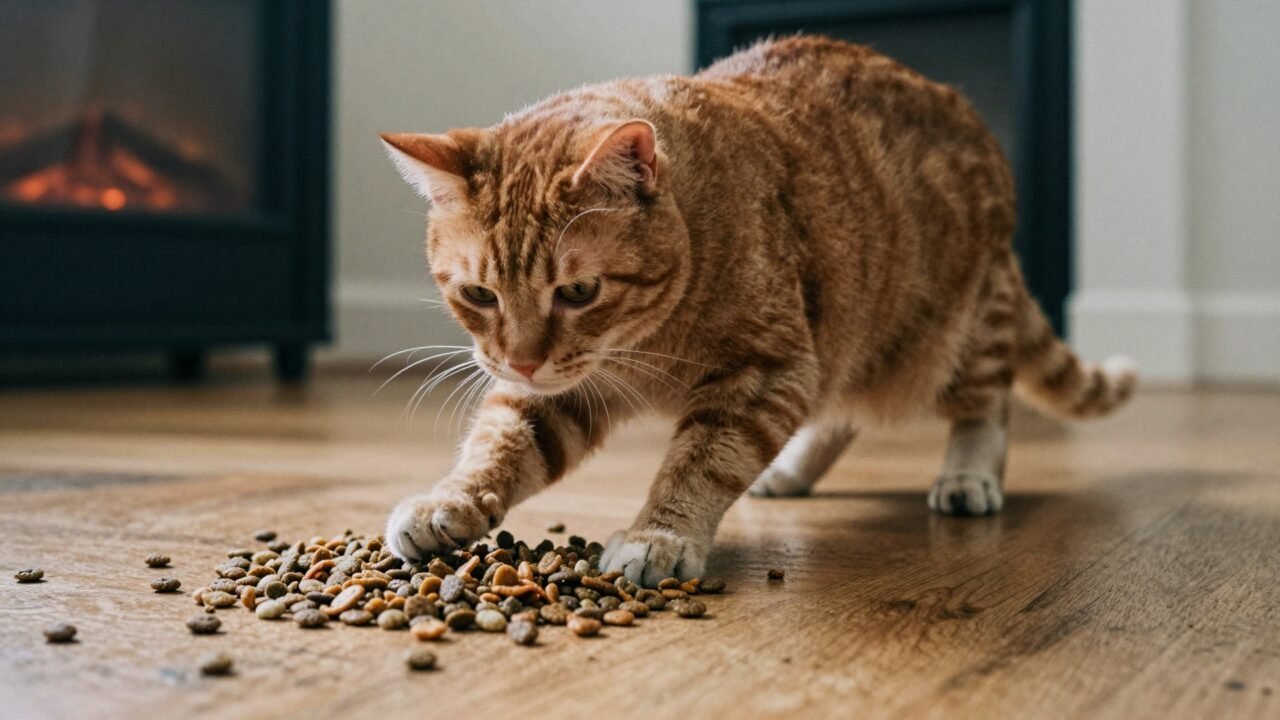
You're not imagining it. A cat's body uses extra calories just to maintain its temperature in the cold. Higher expenditure means a bigger appetite: it's basic physiology. Their system asks for more fuel so they won't get cold.
It's the same reason you crave a hot, filling meal in January more than in August. Whether feline or human, the body knows what it needs to keep the furnace on.
An instinct from wild ancestors
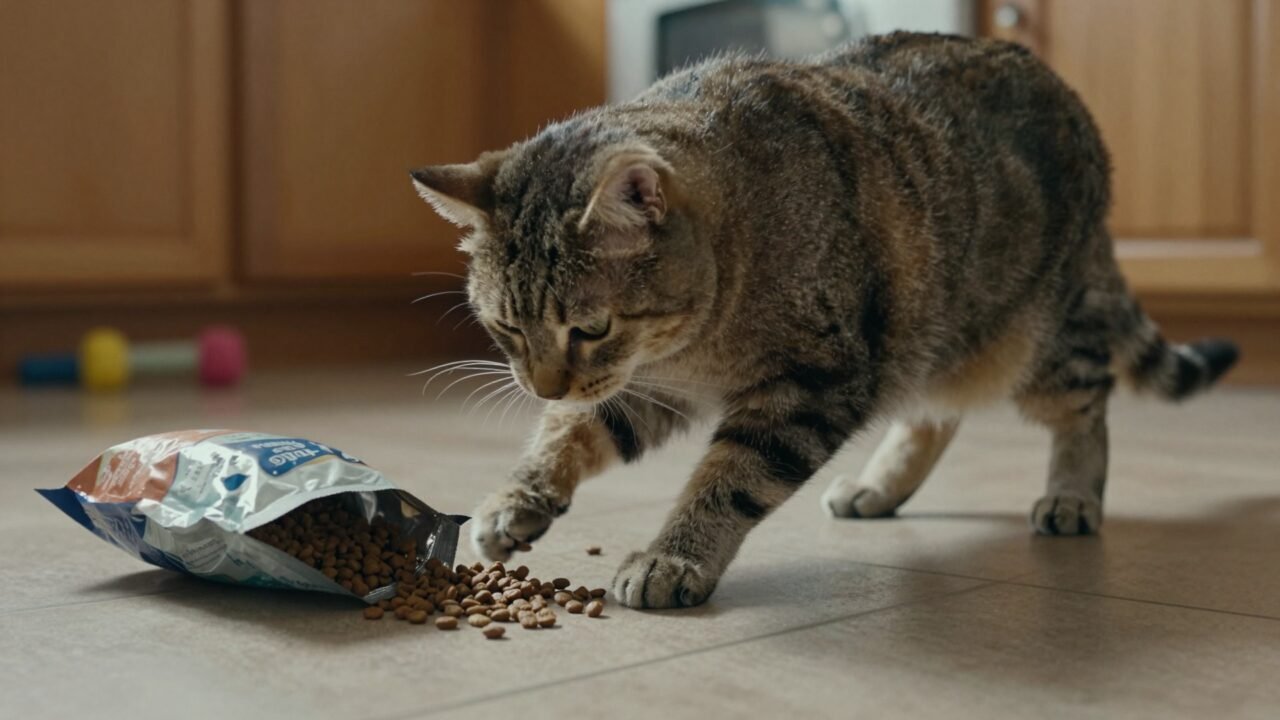
There's an older layer to this. Wild cats learned that winter often meant scarcity—less prey and more hunger. So their instinct was to eat and build reserves while food was around.
Your indoor cat still runs that program, even if its "hunt" is opening the kitchen door. That's why in winter they get so insistent: it's not mere greed, it's an ancient whisper to "stock up for the cold."
The indoor-cat trap
Here's the problem most owners miss. That instinct made sense when a cat truly felt the cold and burned calories shivering and hunting. Your cat lives with heating.
They behave as if they'll face a harsh winter, but the extra calories aren't burned—they're stored. Winter is when indoor cats gain the most weight, and that excess burdens joints, the heart and shortens lifespan.

How to give them what they need without making them gain weight
Don't starve them, but don't surrender to every meow. Keep portions measured and match them to actual energy use, not to begging. Turn winter into play season: if you feed a bit more, provide extra activity so those calories get burned. And always have fresh water available—cats tend to drink less in winter and that matters too.
Your cat's winter hunger is real and sensible. Your role is to honor that instinct without letting indoor heating turn them into a chunky cat.
And since we're talking about what's in the bowl, this will open your eyes: what your cat kibble is actually made of and how to read the label.
Frequently Asked Questions
Is it normal for my cat to eat more in winter?
Yes. Cold increases the energy needed to maintain body temperature, so appetite often rises naturally. Also, an ancestral instinct encourages them to store energy against scarcity.
Should I feed my cat more in winter?
It depends. A cat that goes outdoors and faces real cold will burn extra calories. But an indoor cat living with heating barely expends them, so extra food leads to weight gain. Adjust to what they actually burn, not to the meows.
How do I prevent my cat from gaining weight in winter?
Measured portions, extra play sessions to increase movement, and always fresh water. If you notice weight gain, consult your veterinarian before it affects joints or the heart.
🔍 Looking for something else?
If you want to read other articles similar to Does Your Cat Eat More in Winter? The Real Biology (and the Trap) you can visit the category Nutrition.
Leave a Reply
More cat breeds!