

That little kitten with folded ears and a round face that you think is the cutest thing in the world has a secret. Its "cuteness" is actually a diagnosis.
Feline beauty is subjective, sure. Everyone has their favorite. But behind the innocent question "what is the prettiest cat in the world?" hides an uncomfortable truth that the pedigree industry would rather you didn't know: sometimes, what we call "gorgeous" is what makes the cat suffer. Let's face it head-on.
The beauty we all applaud
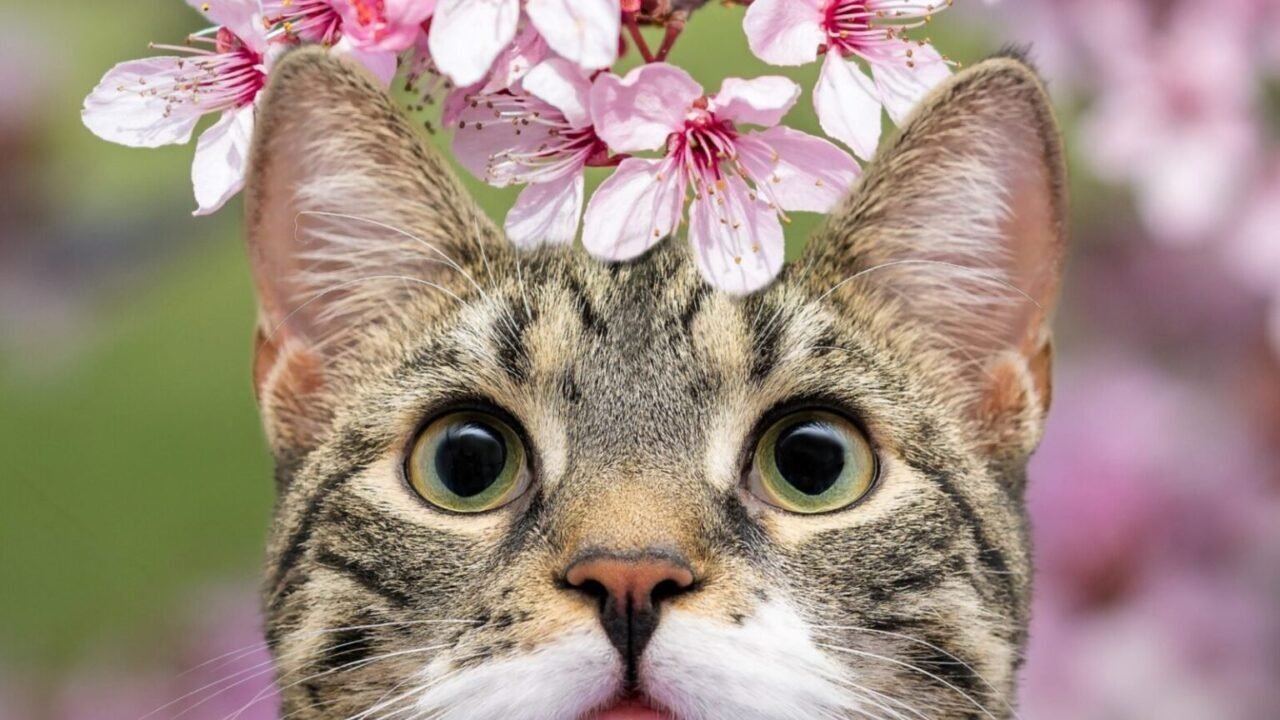
There are cats that take your breath away, and for good reason. The Persian, with its velvety coat and aristocratic bearing. The Siamese, with those impossible blue eyes set in a slender body. The Bengal, a miniature leopard that looks like it escaped from the jungle. The Ragdoll, large and heavenly. And the Scottish Fold, with its folded little ears and eternal teddy-bear face taking the internet by storm.
To many, they are the definition of a "gorgeous cat." They win shows, they trend on social media, and people pay small fortunes for them. But take a close look at a couple of those favorites, because right there lies the trap.
The hidden price of looking “cute”
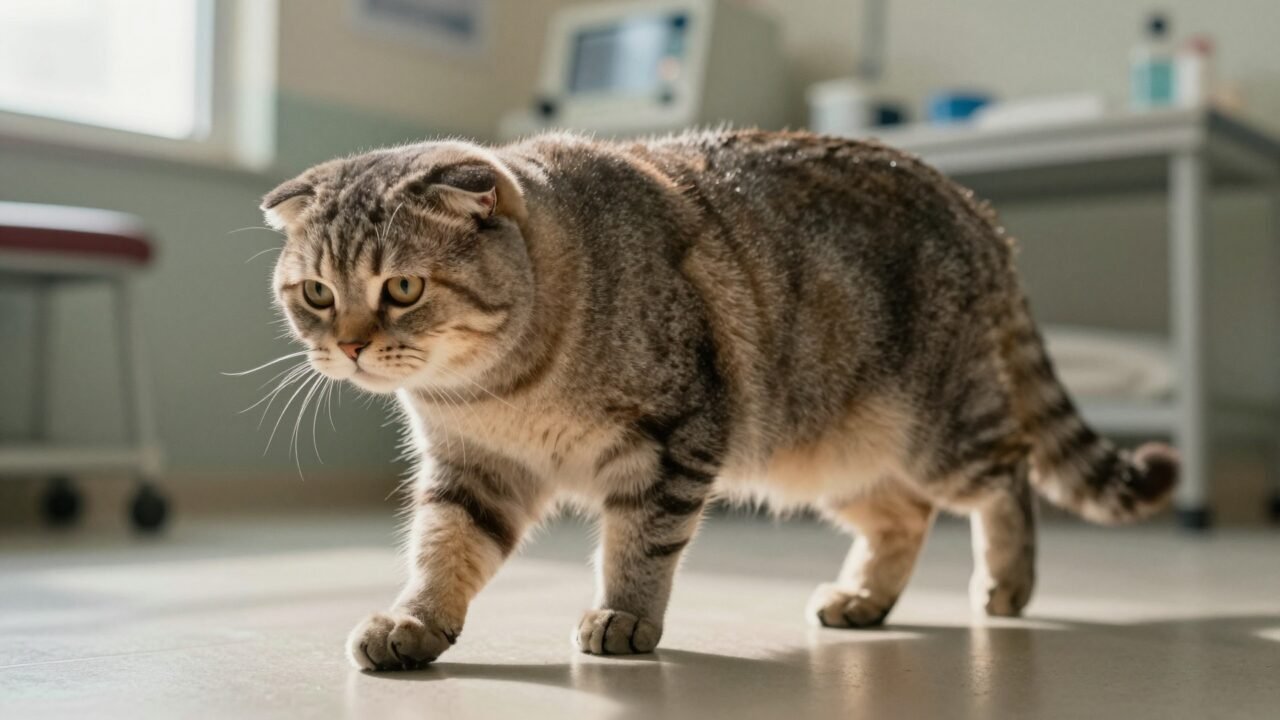
Let's start with the king of cuteness: the Scottish Fold. Those folded ears that make it so adorable are not a decoration—they are a symptom of a disease. The same gene that folds its ears affects the cartilage all over its body, a condition called osteochondrodysplasia. Put simply: many Scottish Folds develop painful arthritis in their joints, sometimes starting at a young age. What we applaud as a "baby face" can actually mean an animal living with lifelong discomfort. That is why breeding them is discouraged or banned in several countries.
And it's not the only one. The modern Persian with its ultra-flat face pays for its elegance with breathing difficulties, constantly watery eyes, and misaligned teeth. The more extreme we made its "cute" little face, the harder we made something as basic as breathing easy. We have bred beauty… by trapping it inside illness.

Here is the debate that sparks any comment section: is it ethical to keep breeding cats for a look that compromises their health? Some argue these are beloved and well-cared-for breeds; others consider it human caprice paid for with the animal's suffering. What isn't up for debate is your wallet: these breeds typically entail high and chronic vet bills, and are among the top reasons to get pet insurance. Extreme beauty isn't paid for by the breeder or the buyer—it's paid for by the cat, every single day.
The truly most gorgeous cat
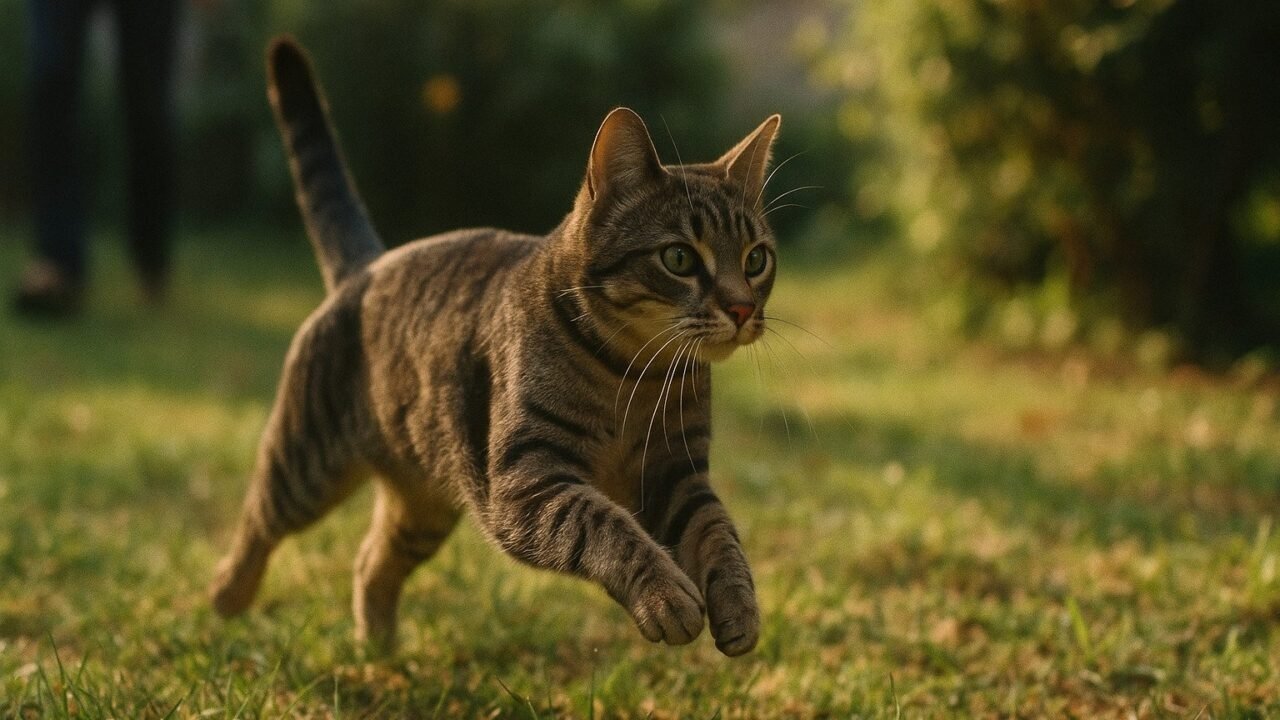
So, what is the prettiest cat in the world? After all of this, the answer shifts. The most gorgeous cat is not the one bred to extremes. It is the one that can breathe without effort, jump without pain, and look at you with eyes that are not diseased.
Beauty that doesn't cost an owner their health is one thing; beauty that costs the cat its health is entirely another. A healthy mixed-breed cat, with a shiny coat and bright eyes, moving with the natural elegance of a feline that functions the way it should, is far more gorgeous than any show champion that pants just from hopping onto the couch. Because true feline elegance was never a pushed-in face or a broken ear: it was always health in motion.
The prettiest cat in the world isn't at a cat show. It's healthy, pain-free, and probably napping in some ordinary home right now.

And if this idea—that what we call "pretty" or "ugly" in a cat says more about us than about them—has left you thinking, there's a list that takes this to the opposite extreme and will surprise you: discover why the world's "ugliest" cats are actually the most honest ones.
Frequently asked questions about the prettiest cat in the world
What is the prettiest cat breed in the world?
It's subjective, but those most frequently cited for their beauty are the Persian, Siamese, Bengal, and Ragdoll. However, it's worth remembering that some very "pretty" breeds carry health issues stemming from extreme breeding, meaning beauty shouldn't be the only criterion when choosing a cat.
Why are Scottish Fold ears a health problem?
Because the gene that folds their ears affects cartilage throughout the entire body (osteochondrodysplasia). This can lead to painful arthritis and joint problems, sometimes starting at an early age. This is why several associations and countries discourage or ban their breeding.
Do flat-faced cats like the Persian have health problems?
Persians with severely flattened muzzles (brachycephalic) can suffer from breathing difficulties, excessive tearing, and dental issues. The more extreme the trait, the higher the risk. There are lines of Persians with a more "traditional," less extreme face that are generally healthier.
Is there an official contest for the most gorgeous cat in the world?
There is no single official world title. There are cat shows hosted by associations like TICA or FIFe where cats are evaluated against their breed standard. But "the prettiest" remains, ultimately, a matter of personal taste.
Sources: veterinary literature on Scottish Fold osteochondrodysplasia and its joint consequences · guidelines on health issues in brachycephalic (flat-faced) breeds like the Persian · and the stance of feline associations discouraging breeding based on traits that compromise animal welfare.
This is educational content to help you make informed choices, not a buying recommendation. A cat's health matters more than its appearance. Adopt whenever possible.
🔍 Looking for something else?
If you want to read other articles similar to The Prettiest Cat in the World: The Truth Behind the Beauty you can visit the category Cat breeds.
Leave a Reply
More cat breeds!