

I paid nearly the price of a used motorcycle for my cat. Three months later, the vet went silent, looked at me strangely, and said a sentence that made my blood run cold.
Let me start from the beginning, because this story has a moral and I want to save you from learning it the hard way.
I had wanted a Ragdoll ever since I saw one in a video. You know the one: that giant, fluffy cat with blue eyes that melts when you pick it up. It goes completely limp, as if all its bones were removed, and hangs in your arms with an expression of absolute bliss. Hence the name: ragdoll. And like a fool in love, I said, That one. That cat is going to be mine.
What no one told me is that this stuffed-animal-like cat comes with three major surprises. And the third one almost cost me a heart attack—his, literally.
Surprise Number Zero: This cat was engineered to love you (and it’s slightly creepy)
Before the bad news, the good stuff. And it is VERY good.
It turns out Ragdolls aren't affectionate by accident. They were manufactured that way. Back in the 1960s in California, a woman named Ann Baker had a stray white cat named Josephine who gave birth to unusually placid kittens. Anyone else would have thought, "How cute," and moved on. Not Ann. Ann saw a business opportunity.
So she started breeding the calmest kittens together. Then the calmest offspring of those, and so on. Generation after generation, always selecting for the most relaxed, clingy, and docile traits. Sixty years of selective breeding to create the most submissive cat on the planet.
The result? A cat that follows you from the kitchen to the bathroom. That climbs into your suitcase when you're packing. That sits on your keyboard not to annoy you, but because it literally cannot fathom being away from you. It's sweet. If you think about it too much, it's also slightly unsettling—like having a purring shadow.
Surprise Number One: You can’t leave them alone (and this is a real problem)
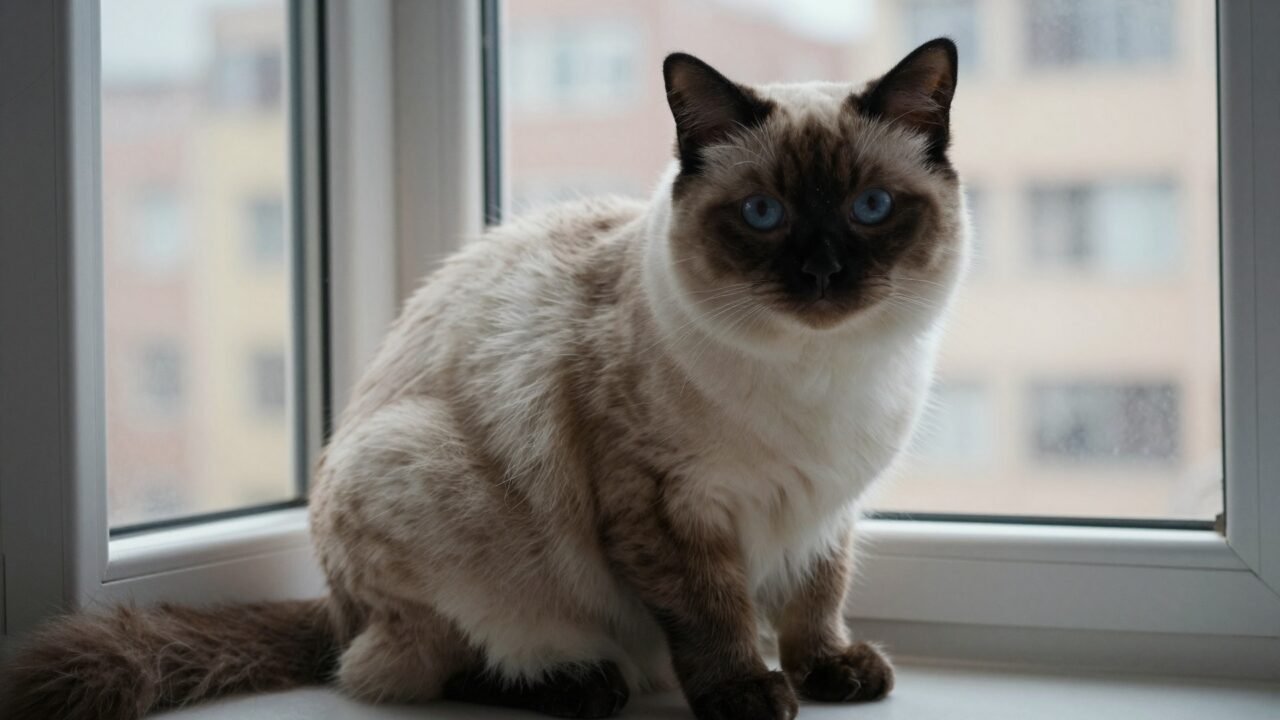
This is where the dream starts costing real money.
Because a cat bred for sixty years to need you… truly needs you. Seriously. Ragdolls aren't like dignified independent cats that gracefully ignore you and manage just fine on their own. No. If you go off to work for eight or ten hours and leave your cat alone in a quiet apartment, that cat gets depressed. They genuinely get sad, sometimes stop eating properly, or occasionally pee where they shouldn't just to tell you, "Hey, this isn't working."

The solution almost everyone figures out eventually, the hard way? Adopting a second one. Yes. The friendliest cat in the world often comes in pairs, like socks. No one warns you about that at the breeder. I found out when mine started wailing at the door every morning as if blaming me. Spoiler alert: he was.
Surprise Number Two: The purchase price is the cheap part
Let's talk money, straight up.
A Ragdoll from a reputable breeder costs roughly as much as a high-end smartphone. It's not cheap, but it's not completely crazy if you really want one. Prices vary depending on where you live.
However, beware of bargain deals, because this is where people mess up. A suspiciously cheap Ragdoll, way below market price, almost always means one of two things: either it's not a purebred (just a fluffy lookalike sold with a tall tale), or—worse—it comes from a backyard breeder with zero health screenings. And with this breed, health screenings aren't an unnecessary luxury for overprotective owners. They are the difference between a happy story and mine. Which I still haven't finished telling you.
Here we go.
Surprise Number Three: The vet’s phrase
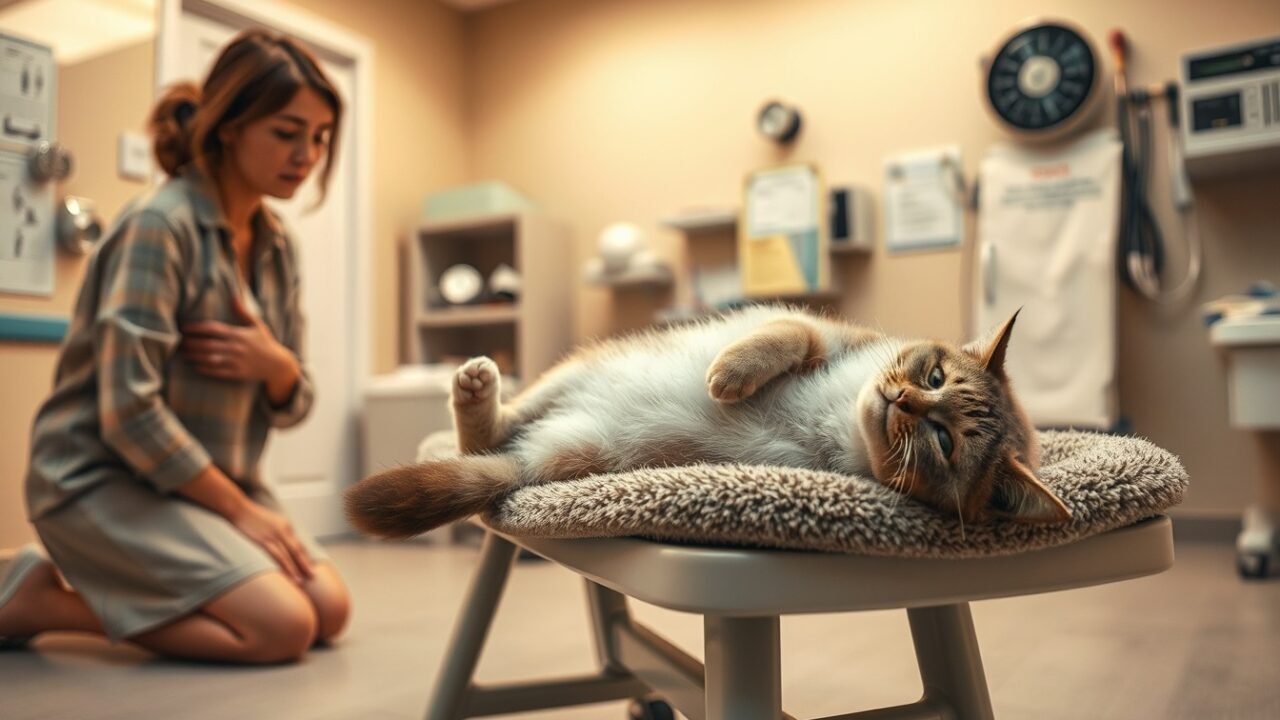
Three months with my cat. Everything is perfect. I take him in for a routine checkup, the kind you do out of habit, thinking nothing of it. The vet puts the stethoscope to his chest.
And goes silent.
Quieter than usual. That doctor silence that sinks right into your gut. Until he looks up and tells me, completely calmly, "Breeds like this need to have their hearts checked."
It turns out—and this is what no one, NO ONE told me when I signed up for my kitten—that Ragdolls have a genetic predisposition to a heart condition. The heart muscle thickens, making it hard to pump blood. It has a long, ugly name—hypertrophic cardiomyopathy—but the name doesn't matter. What matters is the part that left me cold:
It's silent. The cat looks fine, plays, eats, loves you… until the day it doesn't. Without warning.
My heart sank right to the floor. My precious cat, my ragdoll, was carrying a genetic ticking time bomb and I had no idea.
The part that made me sit down and do the math
I asked the vet what anyone asks when the ground is shaking beneath them: "What does this mean?"

He talked about regular heart ultrasounds, checkups, and how if treatment ever becomes necessary, it involves lifelong medication. And he gave me a figure per year. In my head, I multiplied it by the fifteen-year lifespan of the breed. The color drained from my face right there in the clinic, with the cat purring in his carrier, completely oblivious.
And it was right then, doing that math with my heart in my throat, that I understood something I wish someone had told me earlier: why so many owners of these breeds get pet insurance BEFORE anything happens.
Because—and this is the cruel part—once the problem appears, it's too late: insurance won't cover pre-existing conditions. You have to get it beforehand, when the cat is still healthy and everything seems unnecessary. Right when you least feel like thinking about bad news.
I'm not telling you to rush out and buy a policy. I'm no one to tell you that. I'm telling you to look into it. Know how much it costs. Make your decision with the information I lacked, instead of finding out like I did, with your stomach in knots in a waiting room. (We're putting together an honest guide to pet insurance, with no fine print or nasty surprises. Coming soon.)
Before You Fall in Love, the Question That Changes Everything
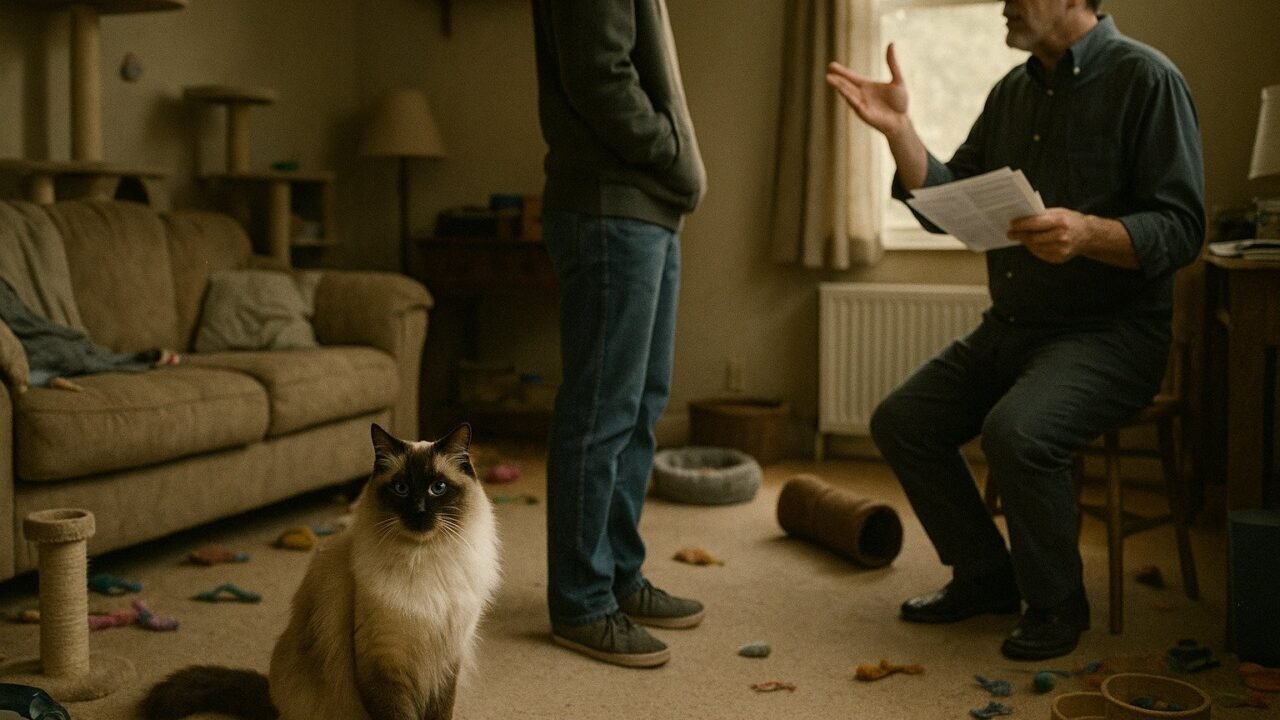
If after all this you still want a Ragdoll—and I totally understand, I'd do it again—there is one single question you have to ask the breeder. Just one. It will tell you in three seconds if they are legit or just trying to offload a pretty kitten:
"Have the kitten's parents been screened for heart issues?"
There is a genetic test to detect cardiac risk in this breed. A responsible breeder tests their breeding cats and will tell you proudly, papers in hand. A backyard breeder trying to make a quick buck will hesitate, change the subject, or look at you like you're speaking a foreign language. That reaction—or lack of paperwork—is worth more than any fancy certificate hanging on the wall.
Quick Questions (What Everyone Asks)
Are they good for first-time owners?
Among the best cats to start with. They're docile, trusting, and easy to handle. Just two conditions: don't leave them alone for hours on end, and keep them indoors.
I was told they're hypoallergenic. Is that true?
False. No breed truly is—they all shed the protein that triggers allergies. If someone sells you one as "hypoallergenic," you know they're just pulling your leg.

Do they actually go limp when you pick them up?
They really do. It's not just marketing. They relax so much they just hang there. That said: given how large they are, always support their body and hind legs; don't let them dangle unsupported.
How long do they live?
Between 12 and 17 years, and they're generally robust. With regular heart screenings, those fifteen years can be healthy ones. That makes all the difference.
My cat? He's doing great. We caught the issue early, and today he still melts in my arms every night just like the first day. That's why I'm telling you all of this without holding anything back: because caught in time, this story has a different ending.
Bookmark this article. The day you're standing in front of that blue-eyed kitten, with the breeder smiling at you and your wallet in your hand, you'll remember me and the only question that matters.
And since you've learned how to check their heart, learn how to read everything else. I'll leave you with 5 signs a cat is sick that almost everyone misses—because a cat, any cat, is a master at hiding when something is wrong.
Sources: TICA and CFA feline associations regarding breed origin and standards; veterinary literature on hypertrophic cardiomyopathy and genetic testing (MyBPC3 mutation) in Ragdolls and Maine Coons; and reference pricing from breeders across various regions.
This is storytelling and informational content, not veterinary advice. Before adopting or buying, consult a veterinarian and a breeder who health-screens their cats.
🔍 Looking for something else?
If you want to read other articles similar to I Bought a Ragdoll Cat and No One Warned Me About This (The Honest Truth) you can visit the category Cat breeds.
Leave a Reply
More cat breeds!