

Your cat has been sick for a week. And you have no idea.
It's not that you don't care for them. It's that they don't want you to know. And cats are absolute masters at hiding it.
In the wild, a limping or weak cat is basically walking billboards saying, "come get me, I'm an easy meal." Evolution taught them to pretend everything is fine even when they're falling apart on the inside. That instinct didn't just switch off when you adopted them. Your cat, lounging on your sofa with central heating and served meals, still acts like a predator is watching them every second.
By the time a cat "looks" sick, they've usually been sick for weeks.
That's why this article isn't about the obvious signs—you already know those, and by the time they show up, it's usually late in the game. This is about five silent clues your cat simply cannot completely hide. The ones that give you a head start of weeks. Number five is the one almost nobody sees coming.
1. Drinking more water. A lot more
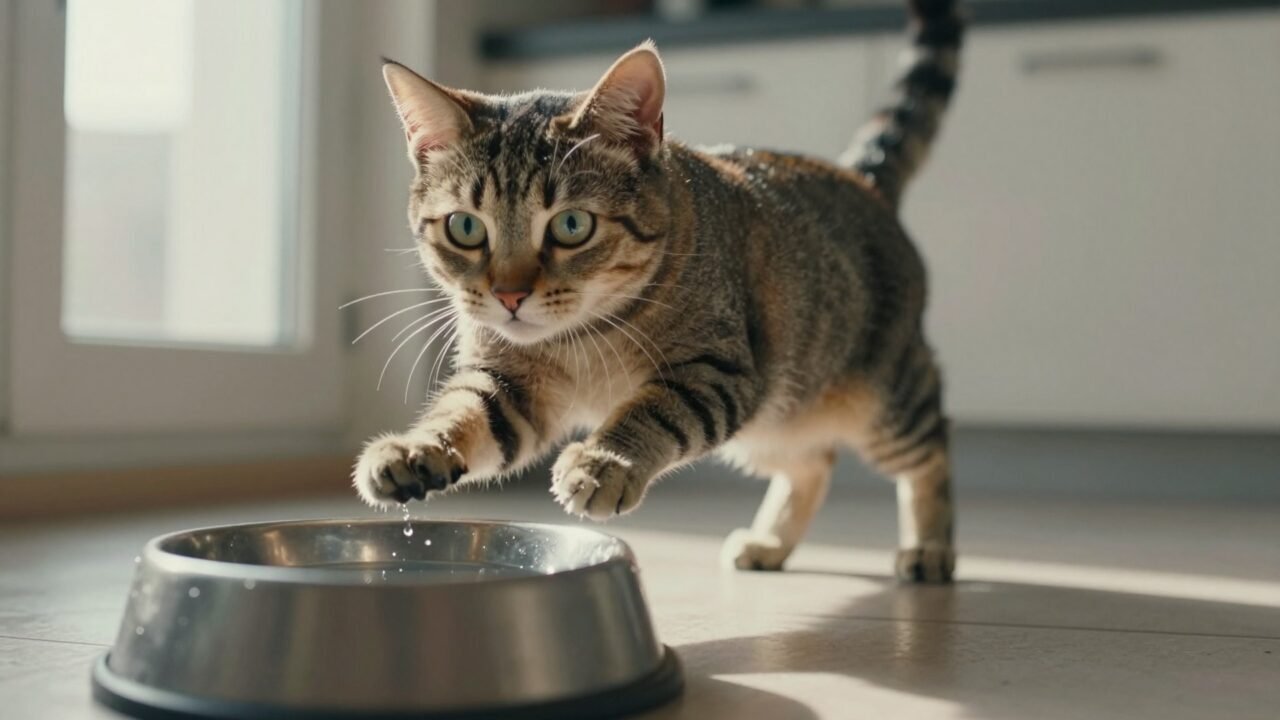
This is the king of early warning signs, and almost everyone ignores it.
Here is the detail that makes it so valuable: cats are desert animals. Their ancestors got almost all their moisture from their prey, which means your cat has a lower thirst drive than almost any other pet. A healthy cat barely visits the water bowl.
So when you suddenly catch them there over and over again—or when the clumps in the litter box are suddenly twice as big—it's not because they're extra thirsty. It's because their body is failing at something and trying to compensate. The usual suspects: diabetes, kidney issues, or an overactive thyroid.
What to do: If you notice they're emptying the bowl faster than normal for a few days, don't wait. Catching this early with bloodwork makes treatment far more effective.

2. Eating MORE and losing weight
A veterinarian once put this better than I ever could: "The most dangerous phrase I hear in the clinic is: 'He can't be sick, he's eating more than ever!'"
It sounds completely backwards, which is why it fools everyone. Think about it: your cat is hungrier than ever, attacks their food bowl, begs for more… and gets skinnier every week. That isn't a healthy cat with a good appetite. That is a cat whose body is burning through every calorie without holding onto anything, usually due to hyperthyroidism or diabetes.
They are literally starving in the middle of plenty. And you're happy because they "have a wonderful appetite."
3. Stopping grooming altogether. Or never stopping
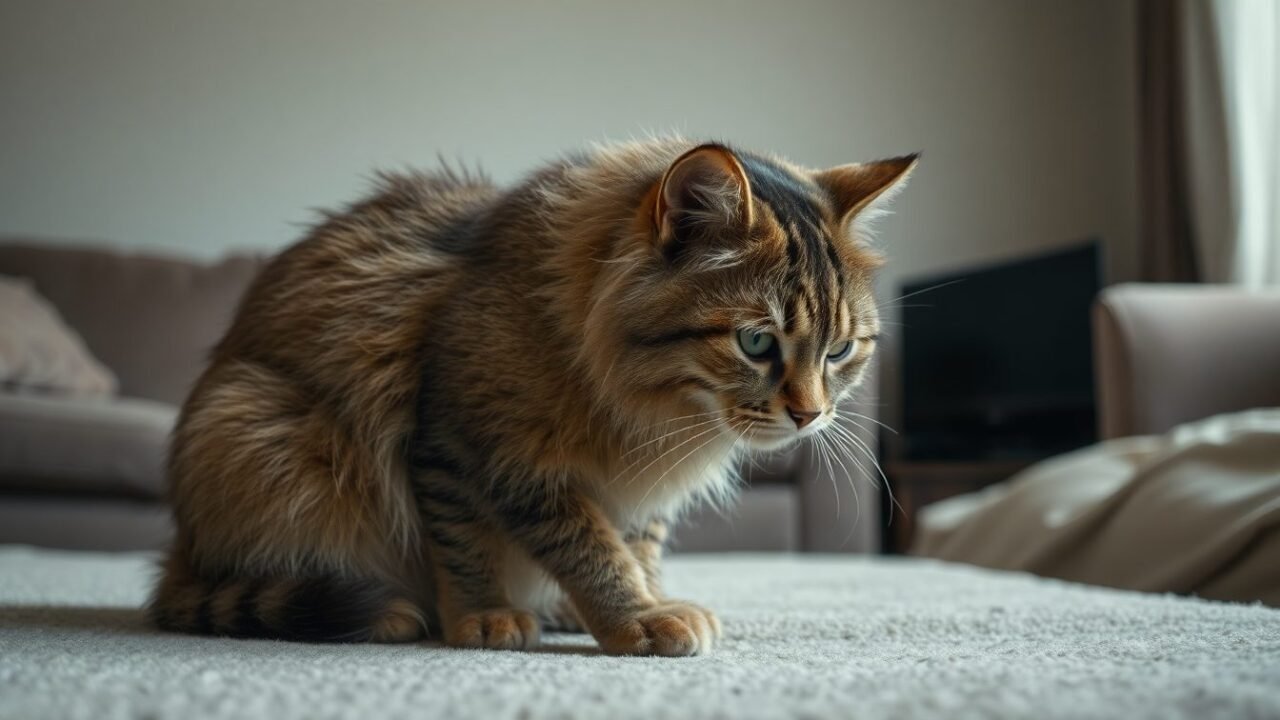
A healthy cat spends half their waking life washing. It's practically their religion. So any sudden change in that routine is a message they're leaving you.
If they've stopped doing it—you notice they look dull, unkempt, scruffy, or lack luster—it's almost always because they are in pain or feeling deeply unwell. A cat that gives up on grooming is a cat in trouble.
If they won't stop doing it—licking one spot until it's completely bald—it's the exact opposite: stress, allergies, or localized pain underneath that area. They lick to soothe themselves, much like a person biting their nails.
4. Nighttime yowl-fests when they never used to
Especially if your cat is getting older. A cat that has always slept peacefully and suddenly starts wailing down the hallway at 3:00 AM hasn't just turned weird. They are trying to tell you something.
In senior cats, these new nighttime yowls usually point to one of two things: an overactive thyroid again, or cognitive decline—the feline equivalent of age-related confusion. They wake up, don't understand where they are, and call out.
The good news: both conditions are treatable if caught early. That annoying 3:00 AM yowling might just end up saving their life.

5. Bathroom changes. And this is the one almost nobody catches
Nobody wants to look in there. And that's precisely why this is the sign that slips by the most.
The litter box is your cat's free, daily health report card, and almost all of us toss it out without reading it. Clumps that are smaller, harder, and drier than normal for more than two days mean something is wrong: almost always dehydration or an impacted gut.
And this isn't a minor detail. A chronically constipated cat can end up with an intestine so damaged that it stops working on its own entirely—leaving surgery as the only option. All because nobody checked the litter box in time.
The golden rule covering all five
If you take away only one idea from all of this, let it be this: what matters isn't the specific symptom, it's the change.
You know your cat better than any vet on the planet. You know how they sit, how much they drink, what their voice sounds like, what their litter box smells like. When any of those elements changes and doesn't bounce back in a couple of days, your gut instinct is right. Don't brush it off thinking "they'll grow out of it" or "it will pass." Cats rarely "cure themselves"—they just get better at hiding it.
Let’s talk about what nobody wants to bring up: the vet bill
Here is the uncomfortable truth. Catching these things early doesn't just save your cat's life: it saves your bank account.
Diabetes caught early via water bowl changes is managed with diet and routine monitoring. That exact same diabetes ignored until the cat crashes results in emergency hospitalization costing thousands. The difference between those two numbers is often just having looked at the litter box in time.
That's why more and more owners look into pet insurance for cats before an emergency strikes, rather than after. It's not for everyone, and I won't pretend it is—but if the thought of a four-figure vet bill keeps you up at night, it's worth understanding how it works and what it actually costs. (We'll have an honest guide on this soon, no fine print attached.)
Frequently Asked Questions
My cat only has one of these signs. Should I rush to the vet?
It depends on which sign it is and how long it lasts. A sign that appears and doesn't clear up within two or three days warrants a phone call. You don't need to panic over an off day—you need to pay attention if the change sticks around.

How often should I take my cat for a check-up if they seem healthy?
Once a year if they're young and healthy. Twice a year once they pass 7 years old, which is when these silent illnesses tend to creep in. This is what veterinarians recommend precisely because your cat won't warn you.
What if I'm wrong and it was nothing?
Then you get to go home with peace of mind and a healthy cat. That is the best possible outcome, not a failure. Nobody ever regrets a false alarm; plenty of people regret waiting too long.
If you own a cat, bookmark this article or share it with another cat parent. These five signs are easy to overlook right up until the day you wish you had known them sooner.
And since we're talking about catching things early: one of the most common household poisons also happens by accident. We've put together the actual list of foods toxic to cats just in case.
Sources: Veterinary hospitals VCA and the American Veterinary Medical Association (AVMA), regarding the feline instinct to conceal illness and the recommendation for bi-annual check-ups in cats over 7 years old.
This content is for informational purposes only and does not replace professional veterinary advice. If something about your cat has changed and won't go back to normal, call your vet.
🔍 Looking for something else?
If you want to read other articles similar to 5 Signs Your Cat Is Sick (And Almost Nobody Catches in Time) you can visit the category Health & Care.
Leave a Reply
More cat breeds!