

Those folded little ears made it the internet’s favorite cat. They’re also, quite likely, the reason every jump hurts. Cute and cruel at the same time.
The fold‑eared cat — the Scottish Fold — is practically irresistible: that round face, those ears folded forward that give it a plush, almost owl‑like look. Millions adore it without knowing what lies behind that trait. And what lies behind it changes how you see the cat. This is its story: the sweet part and the uncomfortable truths.
The cat that began on a Scottish farm
It all started in 1961 on a Scottish farm with a white cat named Susie. Susie had something unusual: ears folded forward, something no one had seen before. A neighbor was fascinated and kept one of her kittens, and from that line a whole breed developed. All of today’s Scottish Folds trace back to that farm cat.
It sounds like a charming origin story — a special cat that conquered the world. And it was… until vets learned why those ears folded. Because it wasn’t a mere cosmetic quirk. It was the tip of an iceberg.
The secret behind those little ears
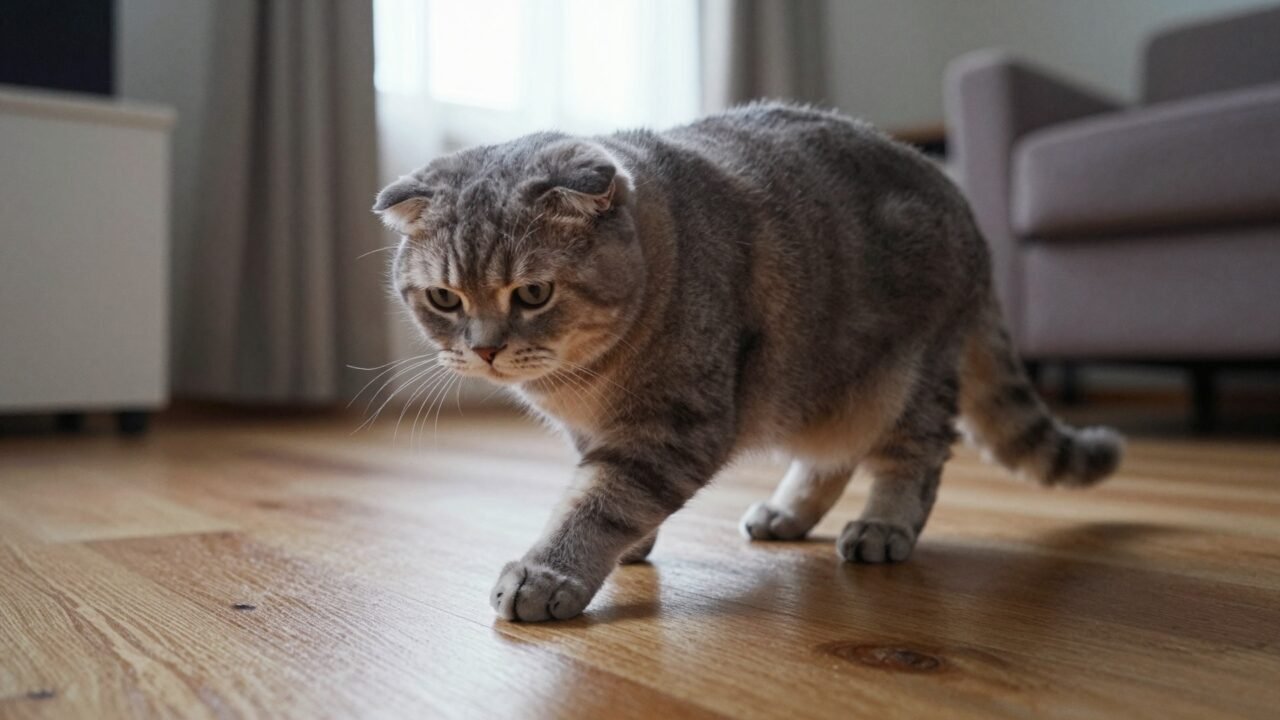
Here’s the truth almost no cute photo tells you. The Scottish Fold’s folded ears are caused by a genetic mutation that affects cartilage… across the whole body. It’s known as osteochondrodysplasia. What makes the ears fold is the same condition that affects their joints.
The consequence? Many Scottish Folds develop painful arthritis, stiffness and skeletal problems, sometimes from a young age. That “funny” gait or the stuffed‑toy stillness people find adorable can actually be a cat that moves little because it hurts to move. The trait that made it famous is, literally, a visible disease.
Why breeding them is controversial
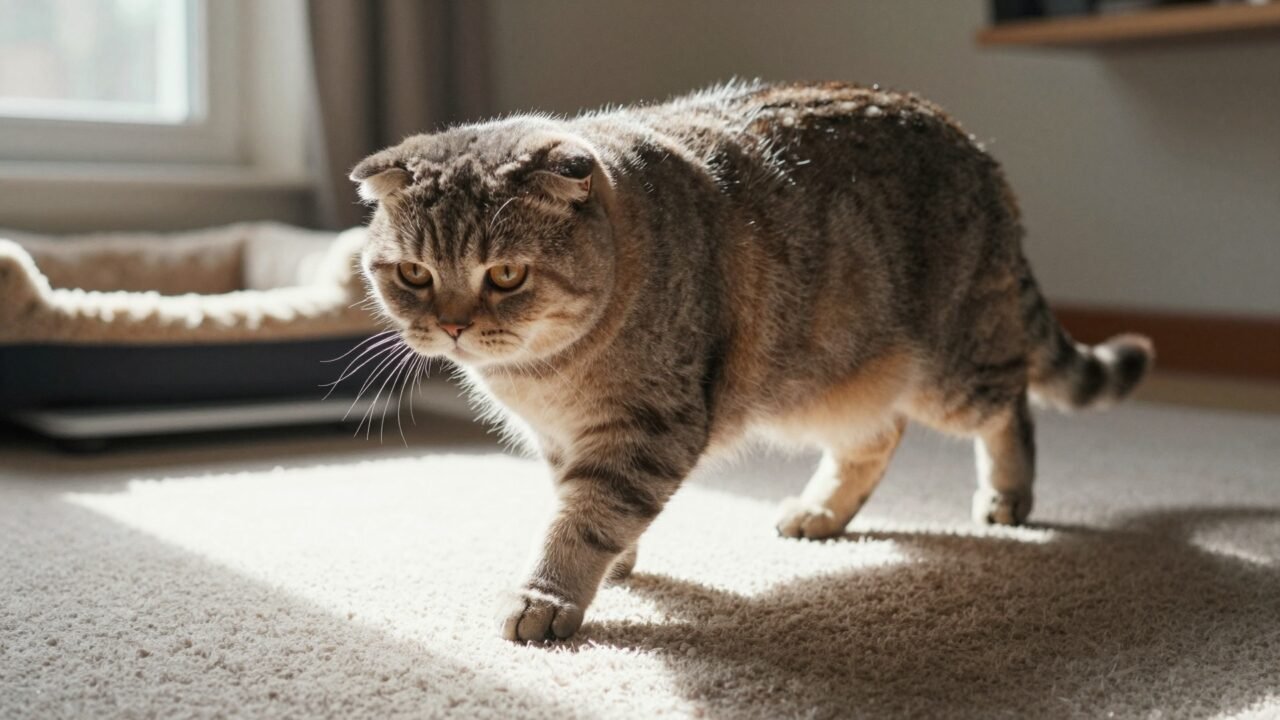
Because of this, several major cat registries worldwide do not recognize the breed, and in some countries breeding it is discouraged or even banned on animal‑welfare grounds. The debate is strong: some argue many individuals live well with appropriate care, while others say deliberately breeding animals with a mutation that causes pain crosses an ethical line.

If you already share your life with one, none of this is meant to blame you: it’s meant to help you care for them better. Regular vet checks, weight control to avoid extra strain on joints, soft warm bedding, and attention to any signs of pain can make a huge difference in their quality of life. And if you’re thinking of getting a cat, let this information help you choose with your head as well as your heart.
The Scottish Fold’s folded ears are not a fashion accessory. They’re a symptom. And knowing that is the difference between admiring a photo and understanding a living being.
The Scottish Fold isn’t the only cat whose looks hide a health bill. If you’re interested in this uncomfortable side of feline aesthetics, don’t miss the full story about the world’s most beautiful cat and the truth behind its looks.
Frequently asked questions about the fold‑eared cat
Why does the Scottish Fold have folded ears?
Because of a genetic mutation (osteochondrodysplasia) that affects cartilage throughout the body, not just the ears. The same gene that folds their ears can cause joint and bone problems.
Do fold‑eared cats feel pain?
Many can develop arthritis and joint discomfort, sometimes from an early age, due to the same mutation that folds their ears. Not all experience it to the same degree, but it’s a real breed risk that needs veterinary monitoring.
Why is breeding Scottish Folds banned in some places?
Because their defining trait comes from a mutation linked to painful health problems. Several feline organizations and laws consider deliberately breeding animals with that condition contrary to animal welfare.
I have a Scottish Fold — how should I care for it?
With regular veterinary checkups, weight control, comfortable warm beds and attention to signs of pain or stiffness (jumping less, difficulty moving). Your vet can offer pain management if needed. With proper care, they can have a good quality of life.
🔍 Looking for something else?
If you want to read other articles similar to The Fold‑Eared Cat Is Adorable — and Hides a Pain Few Know you can visit the category Cat breeds.
Leave a Reply
More cat breeds!