

"My cat is half Siamese." "Mine definitely has some Maine Coon in him." We all say it with total confidence, looking at our cats as if their family tree were written right on their faces. And here comes the uncomfortable truth that almost nobody wants to hear: chances are your cat isn't "half" anything. And once you understand why, you'll look at them with even more affection, not less.
Why almost no cat “belongs to a breed”
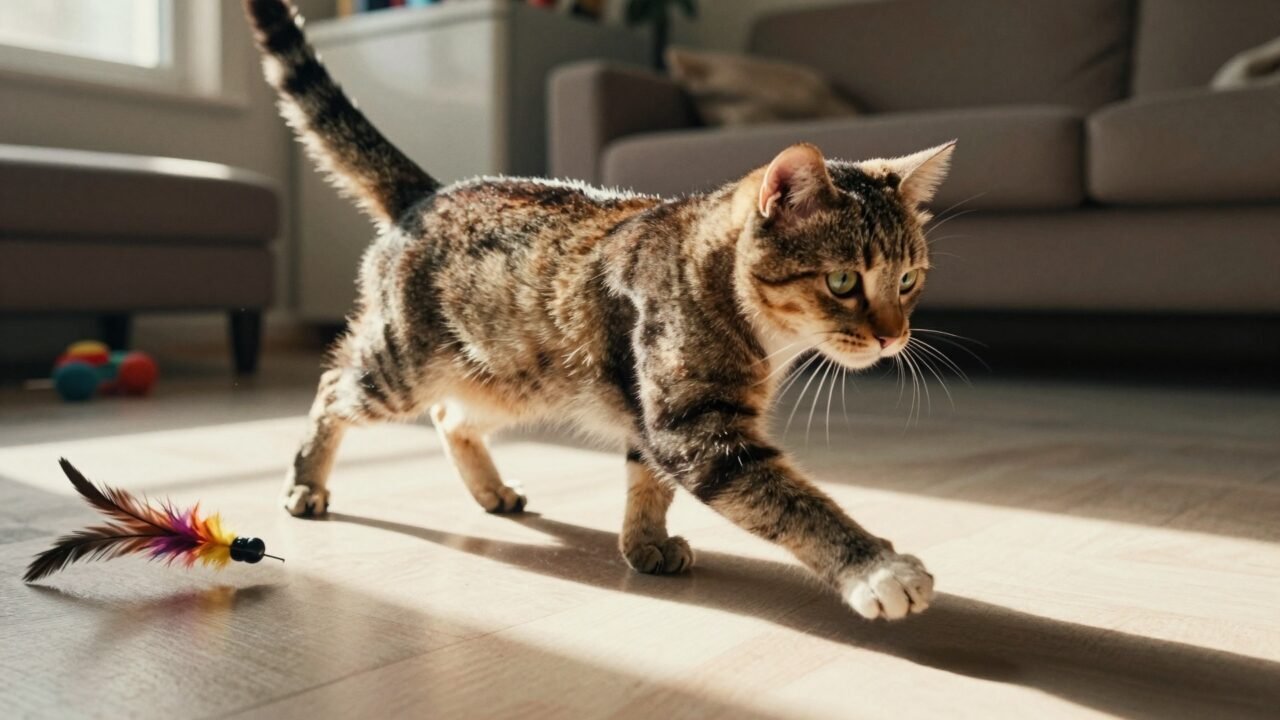
This surprises everyone: the vast majority of cats on the planet do not belong to any breed. They are what is technically called a "domestic shorthair" or "domestic longhair" — meaning a mix of everything and nothing, the result of generations of cats choosing their own partners.
A breed is not just an appearance: it is a registered lineage with papers, purposely bred over generations. Just because your cat has blue eyes doesn't make them Siamese, the same way having curly hair doesn't make you part of a specific celebrity family. Looking like something doesn't mean relation.
What appearance DOES tell you (and what it doesn’t)
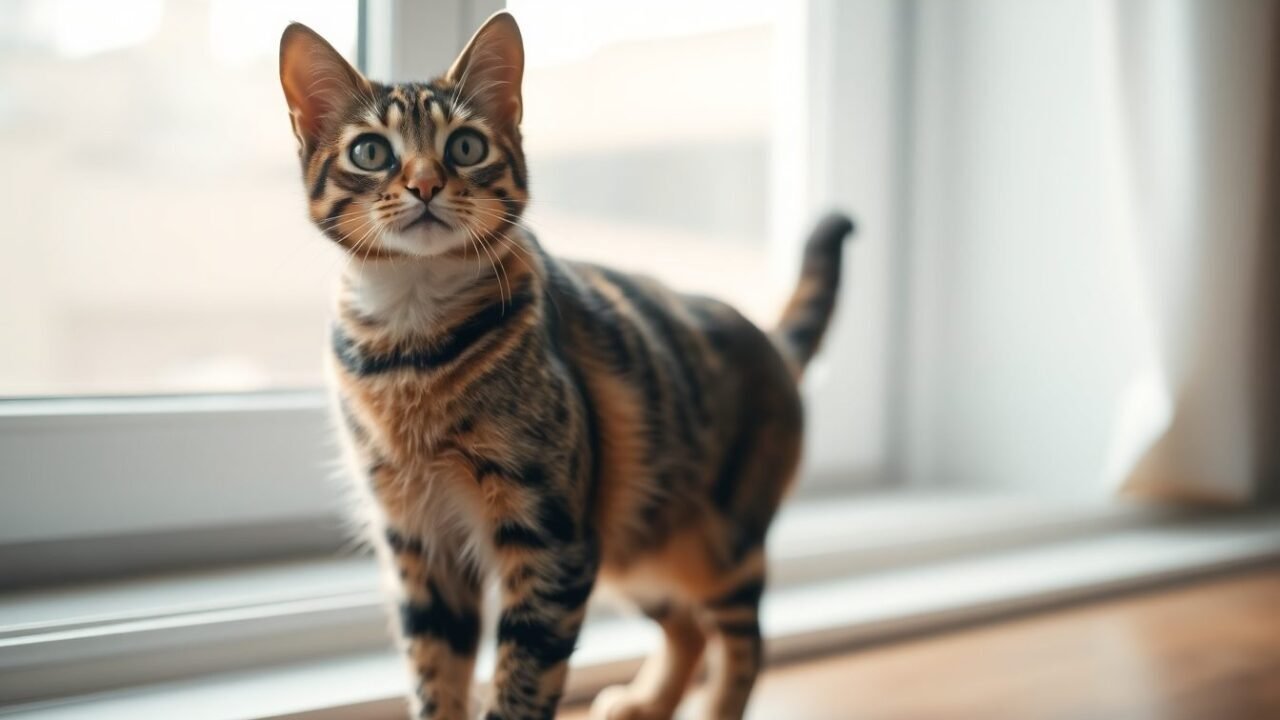
Looking at your cat gives you clues, but not certainties. Here is what you can honestly read from them:
Coat length (short or long) is real and visible. Patterns like tabby, tortoiseshell, or patched are coat types, not breeds: a tabby cat is not a "tabby breed," that pattern is shared by millions of mixed cats. Their build (slender and sleek, or large and sturdy) suggests a tendency, nothing more.
All of that paints a portrait, but it doesn't sign a certificate. A big, fluffy cat looks like a Maine Coon; looking like one doesn't make them one.
How to actually find out
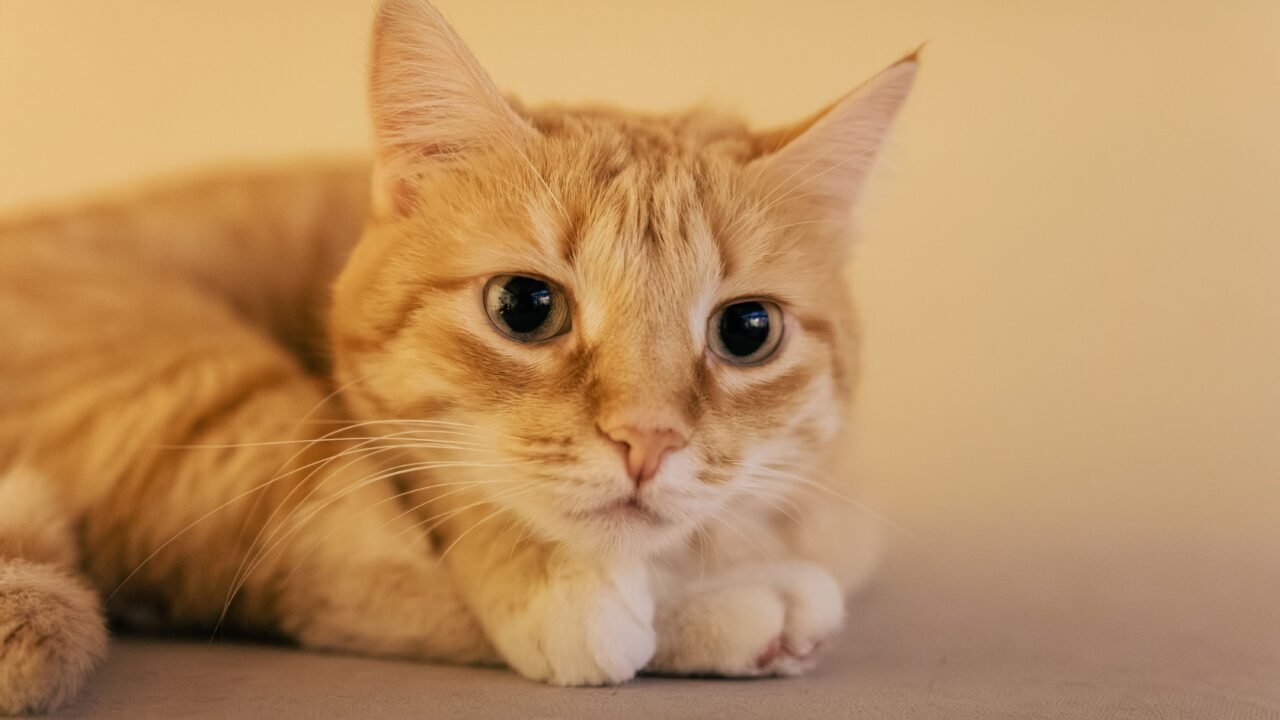
If you need real certainty, there are only two honest paths. The first: pedigree papers from a registered breeder, the only documentary proof that a cat belongs to a breed. The second, which is becoming increasingly accessible: a feline DNA test, which analyzes their genetics to tell you what's actually in their mix.

Your veterinarian can also guide you, but even the best professional, looking at a cat without papers, will give you an estimate rather than a verdict. And that is totally okay.
And in the end… does it matter?
Here is what I really want you to take away. Mixed-breed cats tend to be healthier than many purebreds, precisely because their genetic blend dodges the hereditary issues that closed lineages carry around.
Your cat without a breed isn't "less" of a cat. They are frequently the strongest, most balanced, and most unique of all: literally one of a kind in the world. A breed label sells cats; the bond you share with them is what makes a cat truly yours.
And if you are still fascinated by named breeds, take a look at the honest list of the 15 most popular breeds and the hidden issue nobody warns you about.
Frequently Asked Questions
How can I find out my cat's breed?
With certainty, only through pedigree papers from a registered breeder or a feline DNA test. Appearance (coat, pattern, size) gives you clues, but most cats are mixed-breed with no defined breed.
Is a tabby cat a breed?
No. "Tabby" is a coat pattern, not a breed. Millions of mixed cats have it, as do many different breeds. The same goes for tortoiseshell or patched cats.
Are mixed-breed cats worse than purebreds?
Quite the opposite: they tend to be healthier because their genetic diversity reduces the risk of hereditary diseases common in pure lineages. A mixed cat is not less of a cat; they are often much more resilient.
🔍 Looking for something else?
If you want to read other articles similar to What Breed Is My Cat? The Uncomfortable Truth Almost Nobody Tells You you can visit the category Cat breeds.
Leave a Reply
More cat breeds!