

Welcome to Cat Breeds! Today, we will discuss a very peculiar group of felines: chubby cats. Although it may seem contradictory, some cats are prone to excess weight due to their genetics or improper care. In this article, we will explore which breeds are most susceptible to obesity and how we can prevent and treat this condition in our feline friends. Don't miss it!
The cat breeds most prone to obesity: discover how to prevent and treat it.
The cat breeds most prone to obesity are those with slower metabolisms, such as the Persian, British Shorthair, and Maine Coon. Additionally, neutered or spayed cats also have a higher tendency toward weight gain.
To prevent obesity in your cat, it is important to monitor their diet and ensure they are not consuming more calories than they actually need. It is also recommended to encourage physical activity through play and provide interactive toys that keep them moving.
If your cat is already overweight or obese, it is essential to consult a veterinarian so they can recommend a proper diet plan and supervise weight loss. You should never put your cat on an extreme diet without medical supervision, as this can be harmful to their health.
Frequently Asked Questions
Which cat breeds are most prone to becoming chubby?
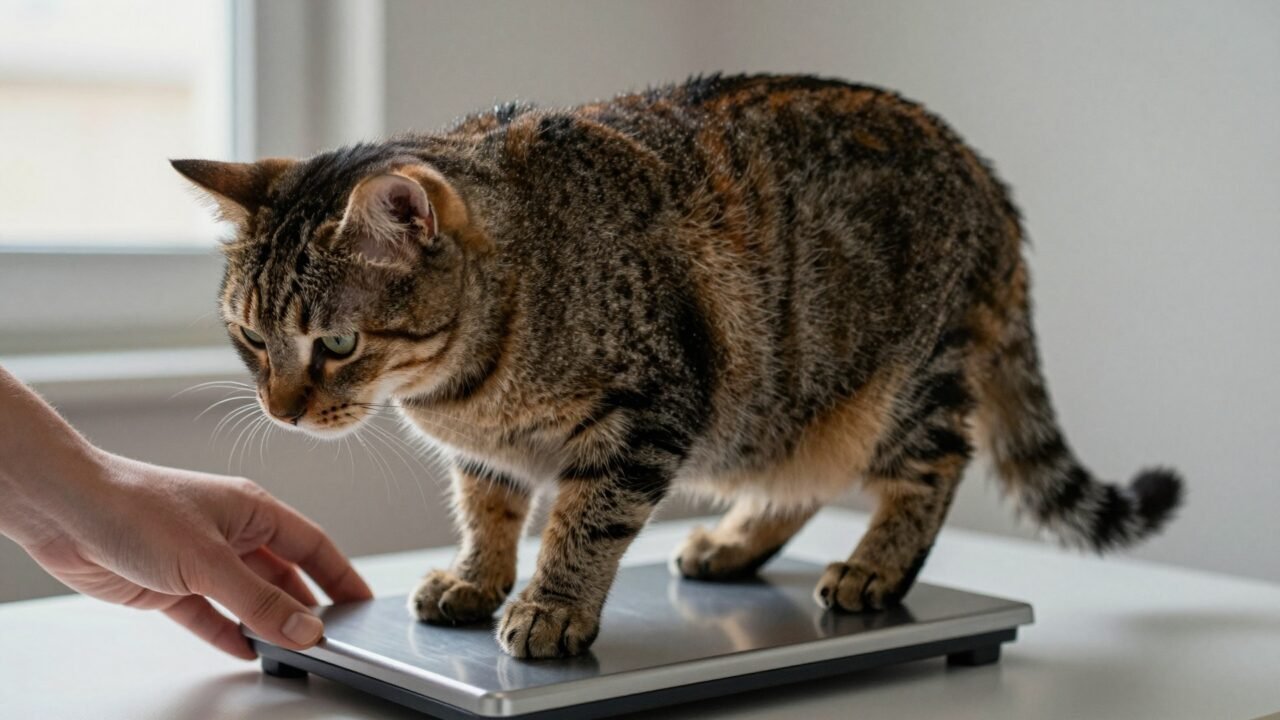
Some of the cat breeds most prone to becoming overweight include:
1. Siamese: although typically active and energetic, Siamese cats have a voracious appetite and may overeat if their food intake isn't monitored, making them prone to obesity.

2. Persian: this breed is known for its love of food and sedentary lifestyle, which makes them much more likely to pack on extra pounds.
3. British Shorthair: these cats are large and sturdy, which can lead owners to think they need more food than they actually require, potentially leading to weight problems.
4. Maine Coon: these cats are famous for their large size, which often causes owners to overfeed them, increasing the risk of obesity.
It is important to remember that any cat breed can be prone to obesity if their diet and exercise are not properly managed. Providing a balanced diet and regular playtime is essential to keeping your cat fit and healthy.

How can I prevent obesity in my large cat breed?
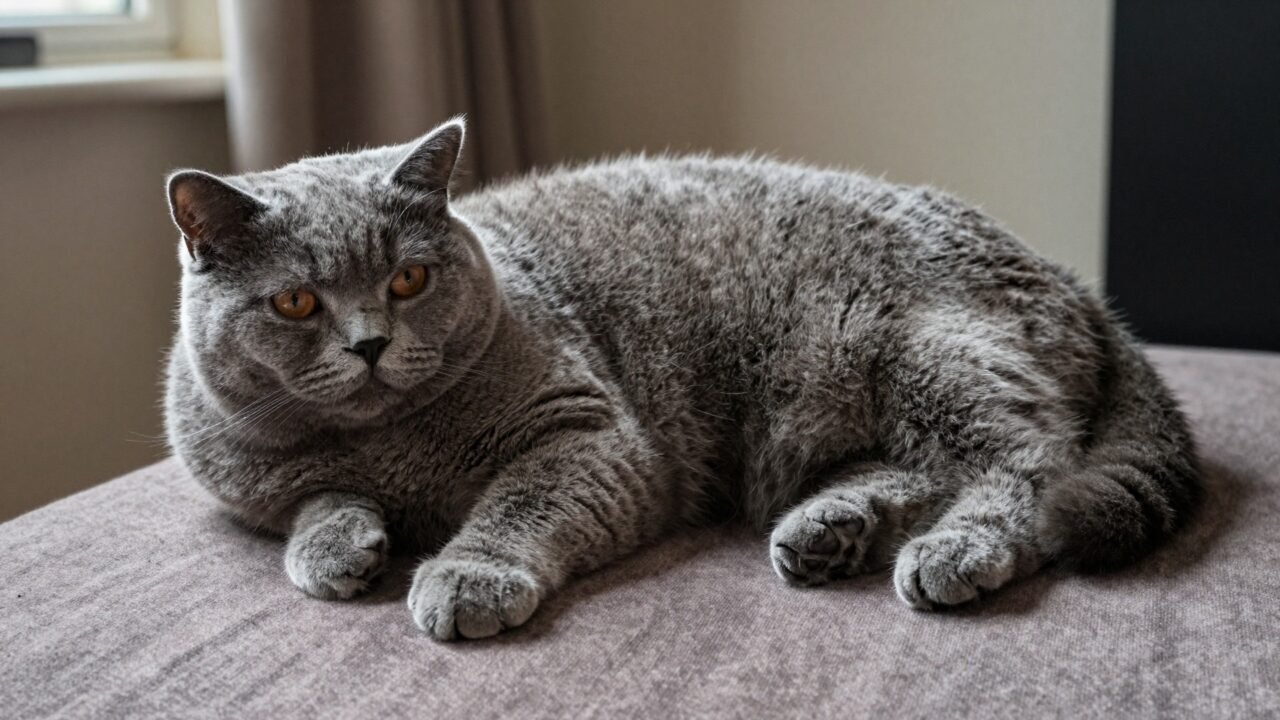
Obesity is a common issue in large cat breeds due to their natural tendency to put on weight and their sometimes sedentary habits. However, there are steps you can take to prevent obesity in your pet:
1. Control their food intake: It is important to choose quality food and make sure you are not overfeeding your cat. Generally, it is recommended to follow the manufacturer's guidelines for portion sizes, but you should also consult your vet to determine the exact amount your specific cat needs.
2. Provide daily exercise: A daily routine of games and exercise can help keep your cat in shape. Even 10 to 15 minutes of active play can be extremely beneficial.
3. Monitor treats: Treats are a fun part of your cat's diet, but you must monitor how many you give them to avoid excess calories. Try to limit treats and opt for healthier alternatives.
4. Track their weight: You should check your cat's weight regularly to catch any signs of weight gain early. If you notice your cat is getting heavier, adjust their diet and exercise routine accordingly.

5. Visit the vet regularly: Routine checkups with a veterinarian can help detect health issues early on, including obesity. Your vet can also offer personalized advice on diet and exercise to keep your cat healthy.
By following these simple steps, you can help prevent obesity in your large cat breed and ensure they live a long, healthy life.
Are there large cat breeds that don’t tend to gain weight and maintain a healthy weight?
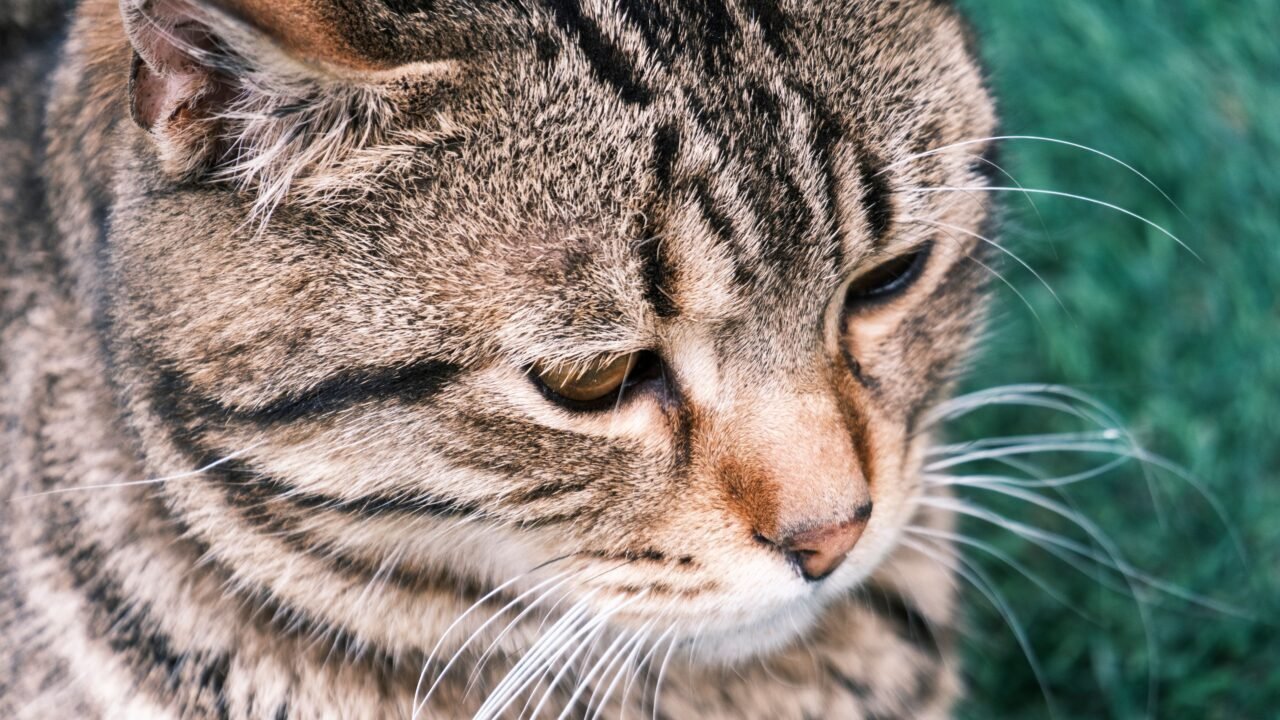
Yes, there are some cat breeds that are naturally large and do not have a strong tendency to gain excess weight. These include the Maine Coon, Sphynx, and Savannah. Maine Coons are known for being the largest domestic cats in the world, but their size comes from their heavy bone structure and robust muscle mass rather than obesity. Furthermore, these cats have active metabolisms and love to play and exercise. Sphynx cats, on the other hand, are hairless, meaning their skin requires extra energy to stay warm; this causes them to burn more calories and prevents them from becoming as easily overweight as other breeds. Finally, Savannahs are a cross between a domestic cat and an African serval, giving them a wild feline body structure. They are naturally active and playful, helping them maintain a healthy weight. Still, it is important to remember that every cat is unique, and their dietary and activity needs can vary. Providing a balanced diet and adequate physical stimulation is vital to preventing obesity and other health issues.
🔍 Looking for something else?
If you want to read other articles similar to The 5 Cat Breeds Most Prone to Being Chubby and How to Prevent It you can visit the category Cat breeds.
Leave a Reply
More cat breeds!