

When you picture "the world's biggest cat," you probably imagine a fluffy, cuddly Maine Coon. But the actual height record belongs to a cat that's, quite literally, half‑wild.
And that's where it gets interesting. "The biggest cat" isn't a single answer: it depends on whether you're talking about length, height, or weight. Each category hides a different story — and one of those stories might make you rethink whether you really want one at home.
The Maine Coon: the gentle giant everyone imagines
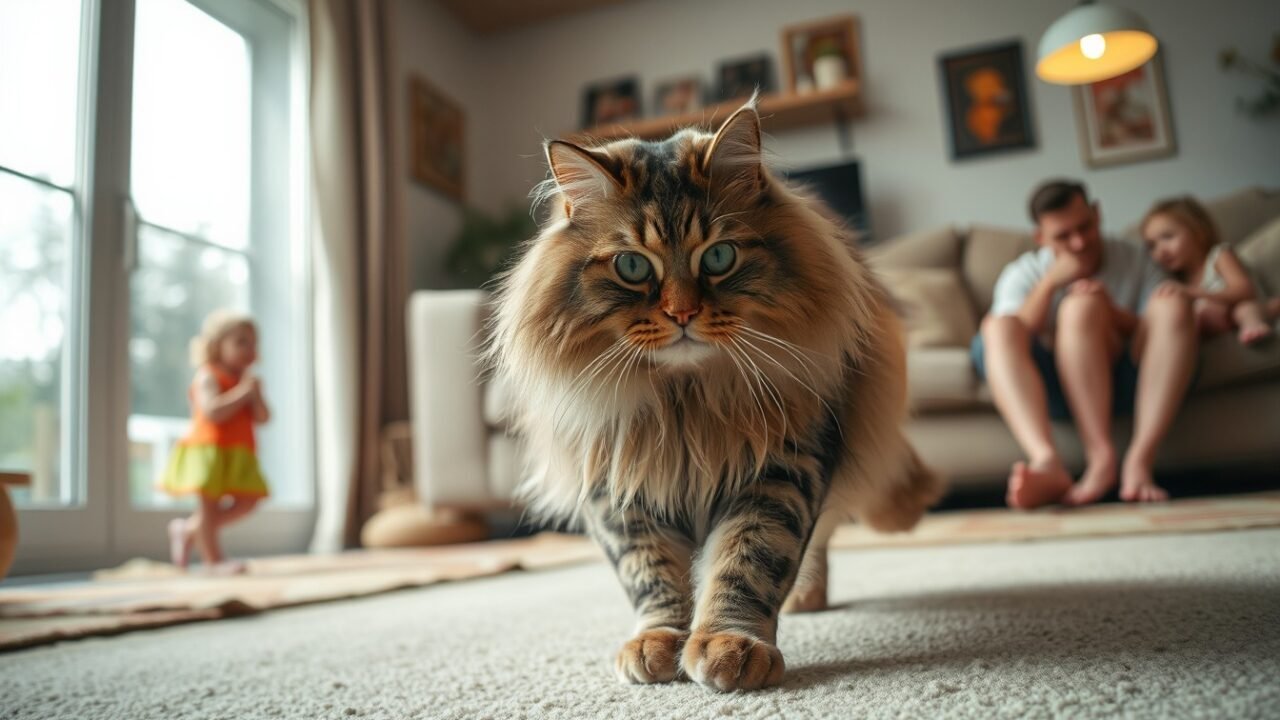
Let's start with the king of length. When people search for the biggest cat, they almost always land on the Maine Coon — and for good reason: it's the domestic breed that dominates length records. The longest domestic cat ever recorded was a Maine Coon that measured more than 120 centimeters from nose to tip of tail, longer than many medium dogs stretched out.
A large male can tip the scales around 8 to 11 kilograms (about 18–24 lb) of honest bone and muscle, with a lion‑like ruff, a plume tail, and that calm temperament that earned it the nickname "gentle giant." It's big, yes, but still a true house cat: affectionate, social, and devoted to its family. The problem isn't the Maine Coon. The problem shows up in the next category.
The height record: Fenrir, half cat... half wild
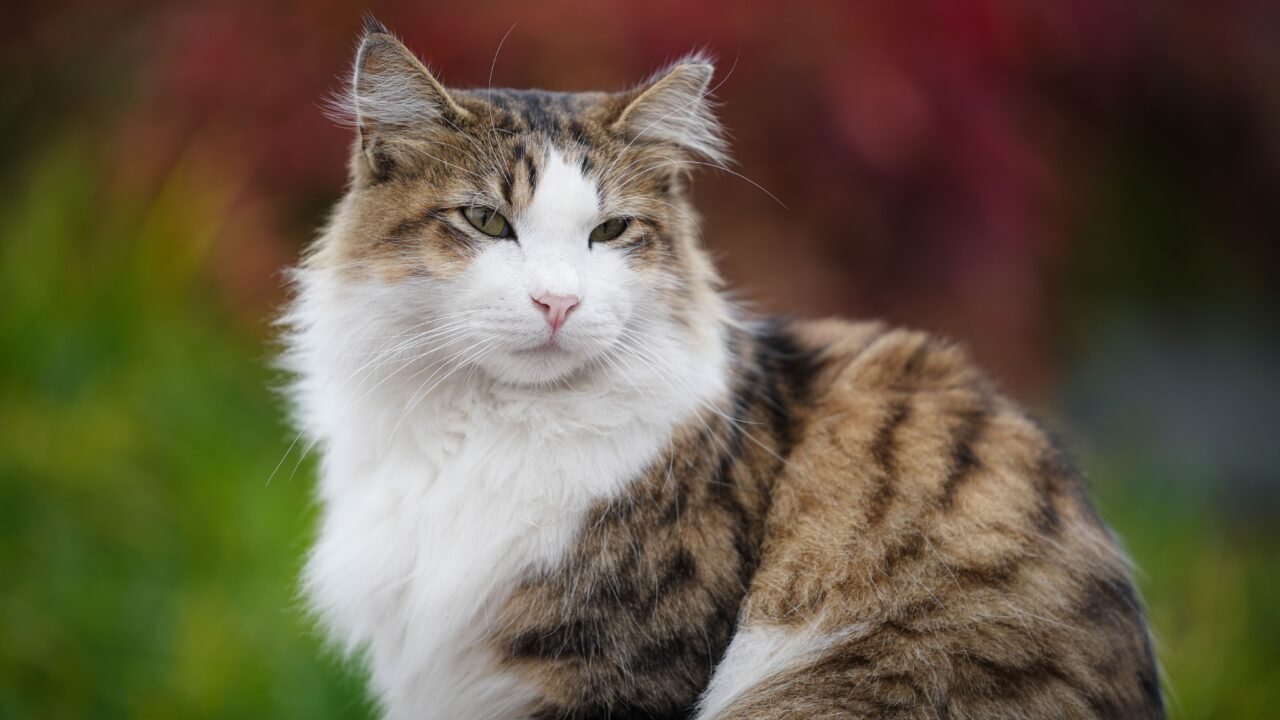
Here's the twist. The world's tallest domestic cat isn't a Maine Coon. It's Fenrir, a Savannah who measures 47.83 cm tall (about 18.8 in) and holds the Guinness record. He looks like a tiny leopard, opens doors with his paws, and can weigh as much as a large dog. Where does that height come from? His grandfather — and his grandfather was a serval: a wild African cat.
Because that's what a Savannah is: the cross between a domestic cat and a wild serval. That explains the almost impossible size, the very long legs, and the mini‑panther look. It's spectacular — and it's also why that "giant cat" you loved on Instagram comes with fine print most people skip before falling in love.

The fine print of owning a giant cat
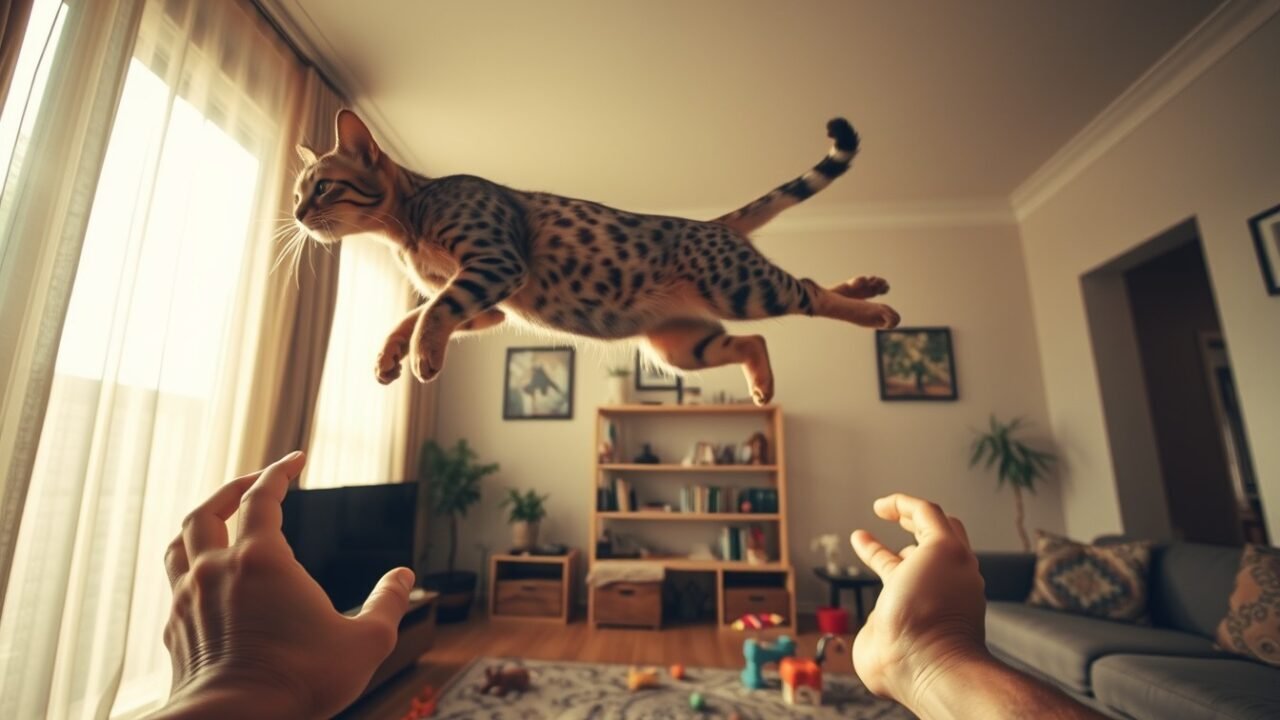
Here's what those viral photos don't tell you. A first‑generation Savannah retains much of its wild ancestor's instinct: it needs real space, can leap to absurd heights, has energy that can exhaust even active owners, and is not the cuddly lap cat many expect. And there's a more serious point: in many countries and states these hybrids are regulated, restricted or outright banned. Buying one without checking can land you in legal trouble — and they often cost several thousand dollars.
Then there's the debate that lights up comment threads: does it make sense to cross a wild feline with a domestic cat just to own a "bigger exotic" pet? Some see it as a triumph of breeding; others call it a vanity that condemns a semi‑wild animal to apartment life. There's no simple answer, but it's a question worth asking before you pay for the status.
And you don't even need a hybrid to run into big bills. Any giant cat is a huge expense: it eats far more, needs oversized litter boxes and scratch posts, and many large breeds like the Maine Coon are prone to size‑related health issues — such as heart disease (hypertrophic cardiomyopathy) and hip problems — that require frequent vet checkups. That's why owners of big cats are often the ones who most value pet insurance: when the body is large, everything costs more to treat.
A bigger cat isn't just a "bigger" cat: it's more food, more space, more responsibility, and sooner or later, more veterinary care. Size impresses in a photo. You pay for it in daily life.

So next time you spot a picture of a colossal cat, you'll know what's behind those muscles. And if the world of feline extremes has grabbed you, prepare for the opposite pole — equally fascinating: discover which is the world's smallest cat and why its cuteness hides a catch.
Frequently asked questions about the world’s biggest cat
Which breed is the largest cat in the world?
It depends on the measure. In length and weight, the queen is the Maine Coon, with individuals over 120 cm (about 47 in) and up to 11 kg (about 24 lb). In height, the record belongs to the Savannah, a hybrid with serval ancestry. The Savannah is taller; the Maine Coon is longer and more robust.
Which is currently the biggest cat in the world?
The tallest living domestic cat recognized by Guinness is Fenrir, an F2 Savannah standing 47.83 cm tall (about 18.8 in). As for length, several Maine Coons have historically exceeded 120 cm.
Is it legal to own a Savannah cat?
It depends on the country and sometimes on the generation of the hybrid. In many places first‑ and second‑generation Savannahs (F1, F2) are restricted or prohibited because of their wild component. Before considering one, check local laws: it's not an ordinary house cat.
Does a large cat need special care?
Yes. It needs more food, bigger litter boxes and scratchers, and more room to move around. Also, large breeds like the Maine Coon have predispositions to heart and hip issues, so regular veterinary checkups are especially important.
Sources: Guinness World Records on the tallest living domestic cat (Fenrir, Savannah, 47.83 cm) and Maine Coon length records · The International Cat Association's profile on the Savannah's origin as a serval cross · and veterinary literature on the Maine Coon's predisposition to hypertrophic cardiomyopathy and hip dysplasia.
This is informational content, not a buying recommendation. Wild hybrids carry serious legal and animal‑welfare responsibilities.
🔍 Looking for something else?
If you want to read other articles similar to The World's Biggest Cat (and Why the Record Isn't What You Think) you can visit the category Large.
Leave a Reply
More cat breeds!