

Take a look at your cat right now. That small body that fits effortlessly into your arms, squeezes into an impossible box, and lands on its feet from any height hides a secret almost nobody knows: your cat has more bones than you do. You, with all your size, have 206. Your cat, roughly the size of a loaf of bread, has around 230. And that difference explains everything about why they move the way they do.
230 vs. 206: The Math That Doesn’t Add Up (Until You Understand It)
It sounds like a mistake. How can an animal so small have more parts than an adult human? The answer isn't in the size of the bones, but in where they are located and how many there are in the areas that give cats their superpower.
A cat doesn't need large bones. It needs many small bones connected in a way that allows its body to bend, twist, and stretch as if it had no skeleton at all. And that is where all the feline magic lies.
The Tail: Almost 10% of Their Entire Skeleton
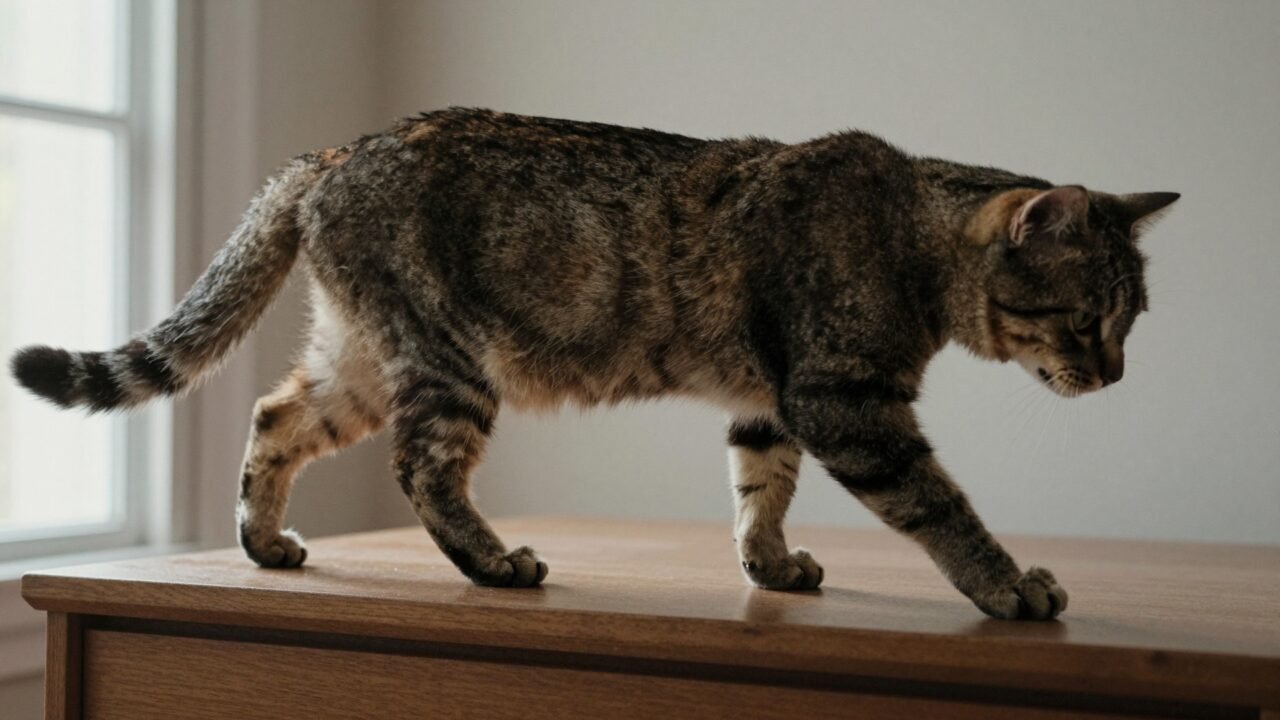
Here is the first major secret. Your cat's tail is not just for show: it contains around 20 vertebrae, making up almost 10% of all its bones. It is a living rudder.
When you watch a cat walk along a narrow ledge without falling, or twist mid-air to land on its feet, that tail packed with bones is acting as a precision counterbalance. It's like a tightrope walker's balancing pole, but built right into the body.
A Spine Without Locks
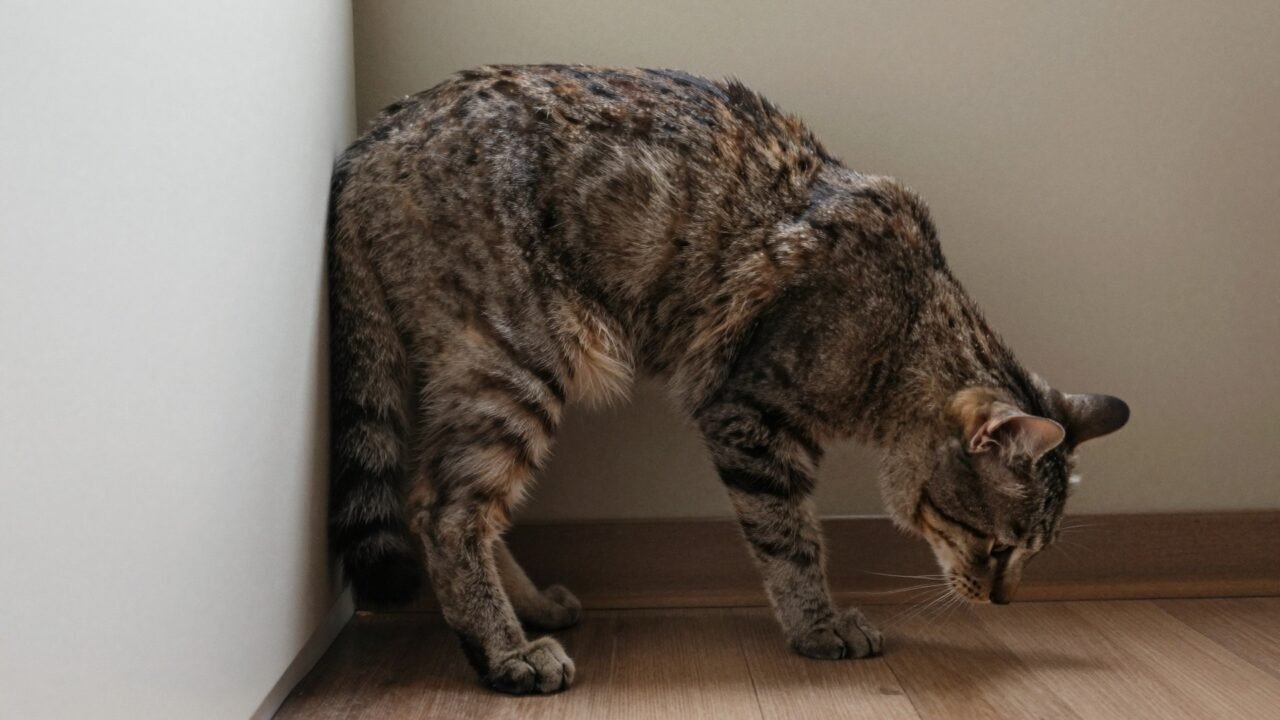
Your spine is rigid by design, keeping you upright. Your cat's spine is the exact opposite. Their vertebrae are connected by muscles and ultra-flexible discs, rather than locked joints.
That is why they can curl into a donut shape, slip through seemingly impossible gaps, and arch their backs in that signature feline way. They don't have a softer skeleton; they have one with more pieces and fewer locks.

And a “Floating” Collarbone
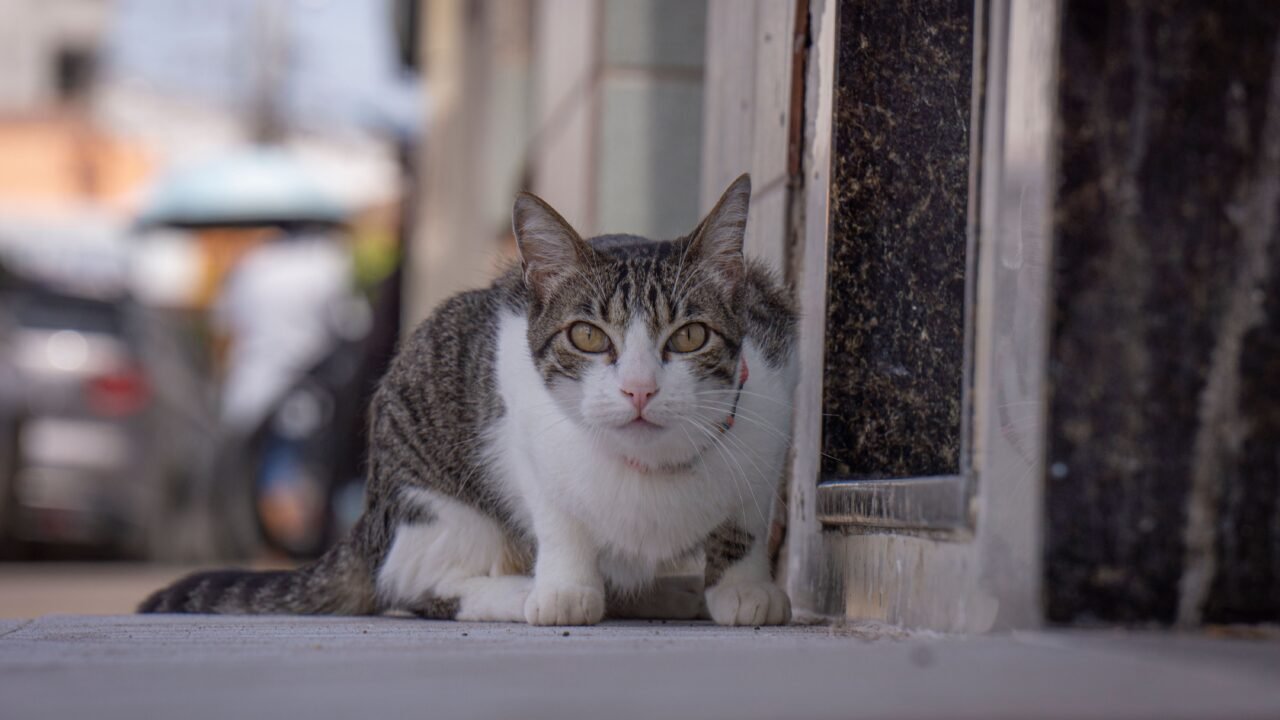
The final trick. Your cat's collarbone is not attached to the rest of the skeleton like yours is: it floats loosely among the muscles. This is why they can compress their shoulders and slide their entire body through any opening that fits their head.
That rubber-like body isn't magic. It is pure skeletal engineering: more bones, better placed, for a predator designed to climb, jump, twist, and slip away. The next time your cat does something impossible, you'll know they have 230 reasons inside them.
And if you're fascinated by the feline body, check out another feature almost no one appreciates until they understand it: what your cat's claws are really for (and why you should never declaw them).
Frequently Asked Questions
How many bones does a cat have?
A cat has around 230 bones, compared to 206 in an adult human. This number varies slightly depending on the length of each cat's tail.
Why does a cat have more bones than a human even though it's smaller?
Because their flexibility depends on having many small, well-connected bones, especially in the tail and spine. Size matters less than the number and arrangement of the parts.
Why are cats so flexible?
For three main reasons: a tail with about 20 vertebrae that acts as a rudder, a spine connected by highly elastic muscles and discs, and a "floating" collarbone that allows them to squeeze through narrow spaces.
🔍 Looking for something else?
If you want to read other articles similar to Your Cat Has More Bones Than You Do: The Secret of Their Impossible Body you can visit the category Curiosities.
Leave a Reply
More cat breeds!