

The first time you see a tailless cat, your brain instantly tells you something went wrong. That it had an accident. That someone, at some point, hurt it. You get that strange knot in your stomach... and you couldn't be more wrong. That cat was born that way. And behind that cute, round little rear end lies one of the most fascinating—and uncomfortable—genetic stories in the feline world.
Because no, it's not a defect. It's a dominant gene that has been wandering around a small island in the Irish Sea for centuries. And like anything that looks like a magic trick, there's a catch. Let's look at it with no sugarcoating.
It is not an accident: meet the Manx cat, the king without a tail
The absolute star of this story is called the Manx, hailing from the Isle of Man, that strip of land between England and Ireland where, hundreds of years ago, a cat was born with a spontaneous mutation: no tail. On an island with few cats and nowhere else to go, that gene stayed put. It bred. It multiplied. And today, it is the defining trait of an entire breed.
The funny thing is that "tailless" doesn't always mean zero tail. Breeders even gave each version a name, depending on how much was left:
- Rumpy: 100% bare. Not a single little bone. Where the tail should be, there is just a dimple.
- Rumpy-riser: a tiny bump you only notice if you run your hand over it.
- Stumpy: a short, curved stump, kind of like a question mark.
- Longy: an almost normal tail, the black sheep of the tailless family.
All in the same litter. All siblings. The genetic lottery dealing cards.
👇 What almost nobody knows: the Manx gene is so potent that if two "rumpy" Manx cats breed with each other, many of the kittens don't even survive to be born. Nature puts a hard stop on it. That detail is just the tip of the iceberg of something much more serious.
The fine print: “Manx syndrome”
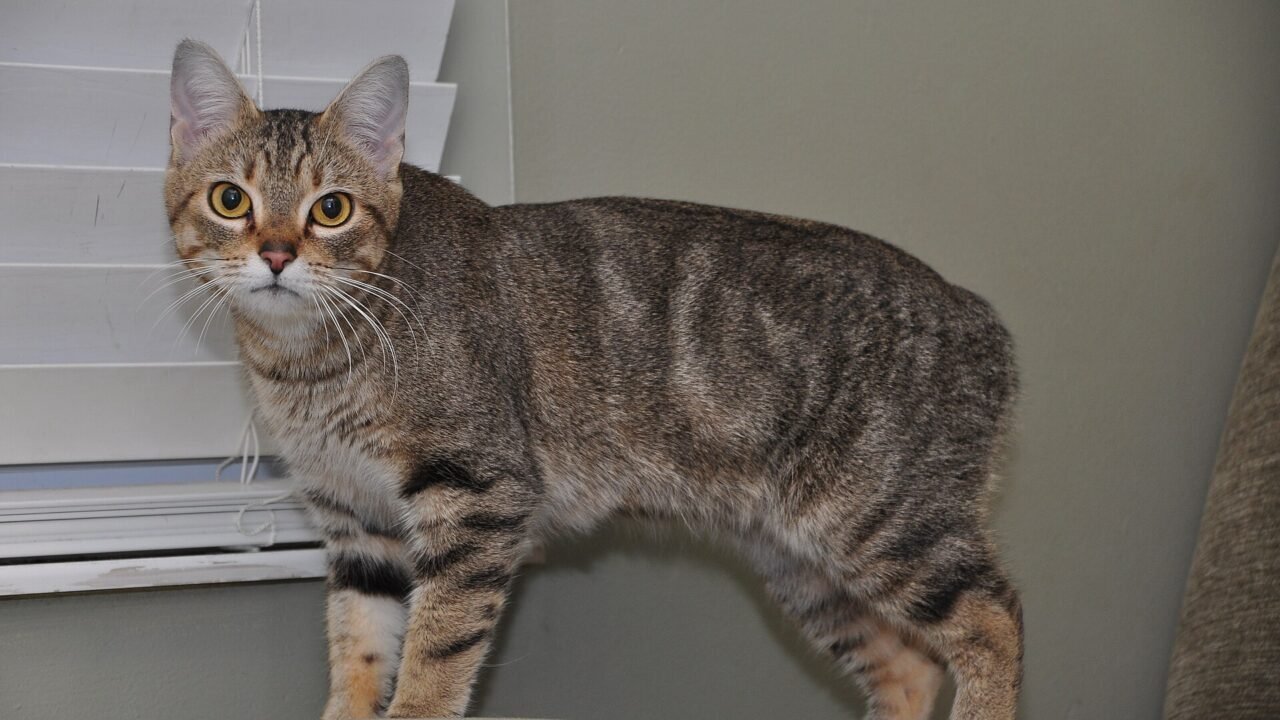
This is where the cute story gets serious, and where an honest breeder separates themselves from someone just looking to sell you something exotic. The exact same gene that erases the tail can also shorten the spinal column too much. When that happens, it's called Manx syndrome, and it's not a harmless aesthetic trait: it can affect the spinal cord, bladder and bowel control, and the hind legs.

It doesn't happen to all of them—plenty of Manx cats live long, healthy, and bouncy lives—but the risk is very real and usually pops up in the first few months of life. That's why a good breeder will never sell a Manx before it's four months old: that's how long it takes to see if the kitten turned out healthy. If someone tries to sell you a freshly-weaned, cheap Manx kitten, something smells fishy.
It's the same uncomfortable logic behind other adorable feline oddities: what looks great in a photo sometimes hides a biological cost. We saw it with folded-ear cats and the pain few people talk about — same story, different gene.
True tailless vs. short tail: they are not the same thing (and almost everyone gets this wrong)
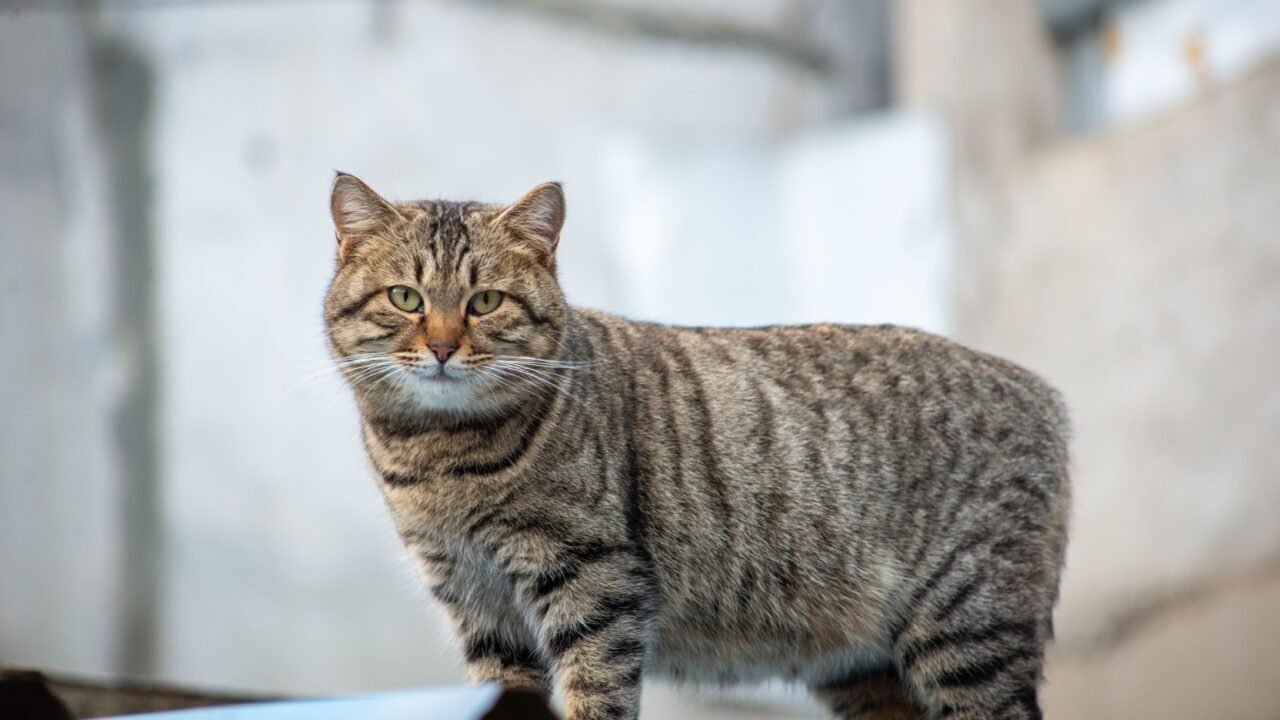
This is the point where the internet gets things completely wrong. Breeds that actually have short tails—which is a completely different thing—keep sneaking onto "tailless cat" lists:
❌ MYTH: "The Japanese Bobtail and American Bobtail are tailless cats."
✅ REALITY: They have short, pom-pom-like tails, not a total absence of a tail. And—crucially—their mutation is different from the Manx and does not carry the same spinal risk. Lumping them together just confuses people who are specifically trying to avoid Manx syndrome.
To clear things up, here is the actual breakdown:
- Manx: truly tailless. The original breed from the Isle of Man.
- Cymric: literally a long-haired Manx. Same genetics, fluffier coat.
- Japanese Bobtail: short, kinked rabbit-like tail. Different mutation, different origin.
- American Bobtail: short tail, sturdy body. Not "tailless" either.
And what about that famous "tailless Ashera" you might see on some online ranking? Forget about it. The Ashera is neither a recognized breed nor tailless: it was one of the biggest feline scams in history, with cats sold for tens of thousands of dollars that turned out to be something else entirely. Nothing to do with this story.

What is it like to live with one?
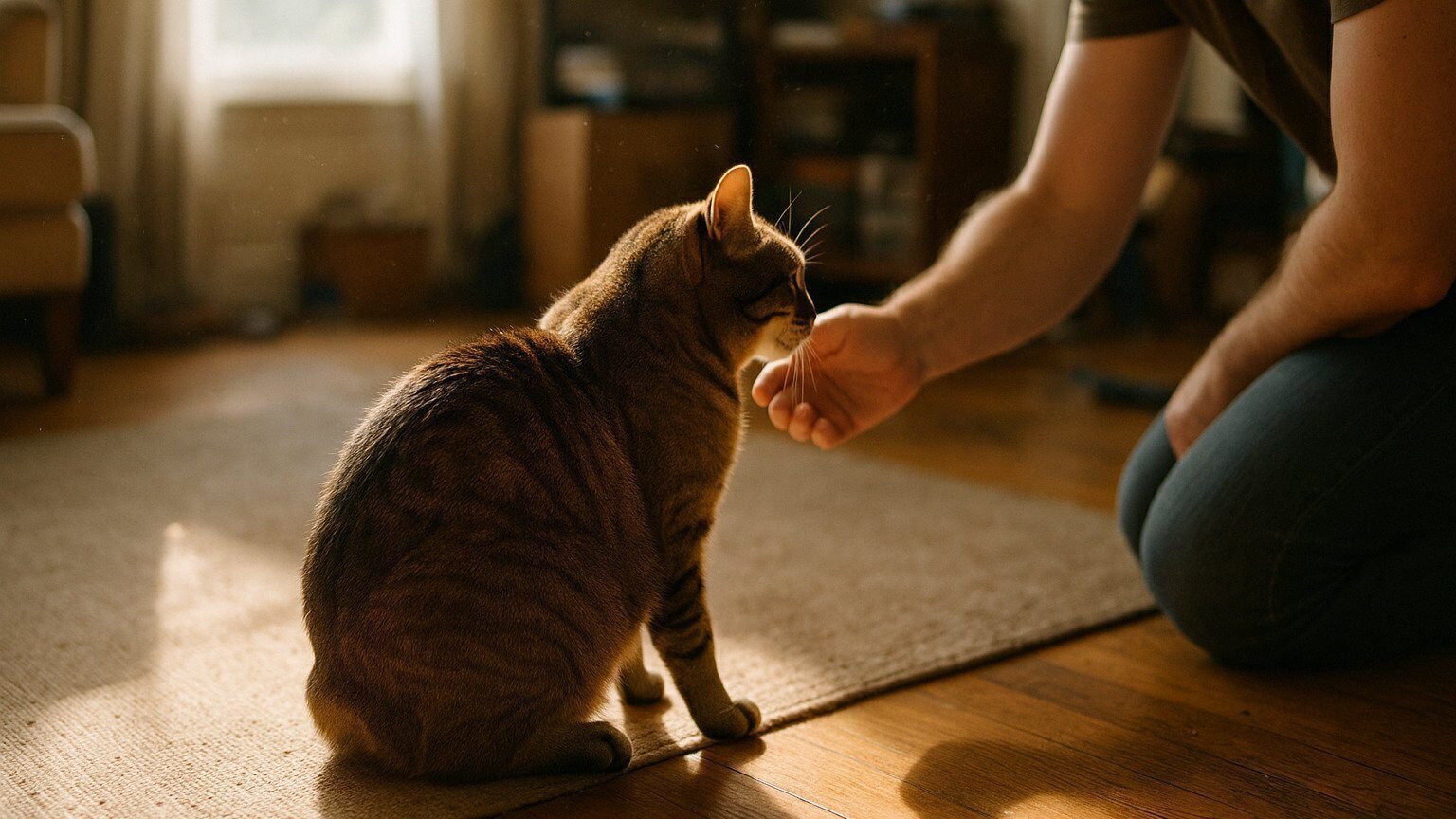
Here comes the nice part again. Contrary to the myth that "tailless equals no balance," the Manx is agile, athletic, and a great jumper. The body compensates for the lack of a rudder with powerful hind legs—it actually hops around a bit like a rabbit and even runs similarly. Their personality is dog-like: loyal, affectionate, following you around the house and getting into everything.
If you've fallen in love with the idea, the honest conclusion is this: a Manx is not an "exotic showpiece" pet, it's a responsibility that comes with fine print. Choose a breeder who lets you see the parents, doesn't sell them before four months of age, and talks to you about Manx syndrome without you even having to ask. That's the person who won't hide anything from you.
Frequently Asked Questions About Tailless Cats
Why are some cats born without tails?
Because of a natural genetic mutation in a dominant gene. In the case of the Manx, it popped up spontaneously on the Isle of Man centuries ago and became fixed in the population due to the island's isolation. It's not a surgical amputation or an accident: it is entirely hereditary.
Do tailless cats lose their balance?
Not noticeably. Although tails help most cats with balance, the Manx develops very powerful hind legs and a compact body that compensate for the missing tail. They are surprisingly agile and exceptional jumpers.
What is Manx syndrome?
It's a set of health issues linked to the exact same gene that eliminates the tail when it shortens the spine too much. It can affect the spinal cord, bladder, bowels, and hind legs. It doesn't affect every Manx and usually shows up within the first few months of life, which is why responsible breeders won't sell them before four months.
Are tailless and short-tailed cats the same thing?
No. True "taillessness" applies to the Manx and Cymric. Bobtails (Japanese and American) have short pom-pom tails due to a completely different mutation and do not share the Manx's spinal risks. Mixing them up is a very common mistake.
Feline genetics is full of stories like this, where rare and beautiful traits come with a bit of fine print. If you're hooked on these cases, take a look at why calico cats are almost always female (only 1 in 3,000 is male): another genetic lottery almost nobody knows how to explain.
🔍 Looking for something else?
If you want to read other articles similar to Tailless Cats: Why They Exist and the Hidden Risk Nobody Talks About you can visit the category Exotic.
Leave a Reply
More cat breeds!