

Berlin, early 1950s. A city in ruins, a brutal winter. And among the rubble, a half-frozen cat with something impossible: a curly coat, looking as though she were wearing a tiny lambskin wool coat. No one knew it yet, but that forgotten cat was about to become the mother of an entire breed.
A curly cat among the ruins
She was found by a doctor who couldn't ignore such an absurd detail: a cat shouldn't have wavy hair. She named her Lämmchen, which means "little lamb." She wasn't a show cat or a pedigreed feline. She was a street survivor with a rarity in her blood.
And that oddity, rather than being a flaw, turned out to be a genetic treasure. Because that curl wasn't dirt or disease: it was a natural mutation, written in her genes, ready to be passed down.
The curl that came in the blood
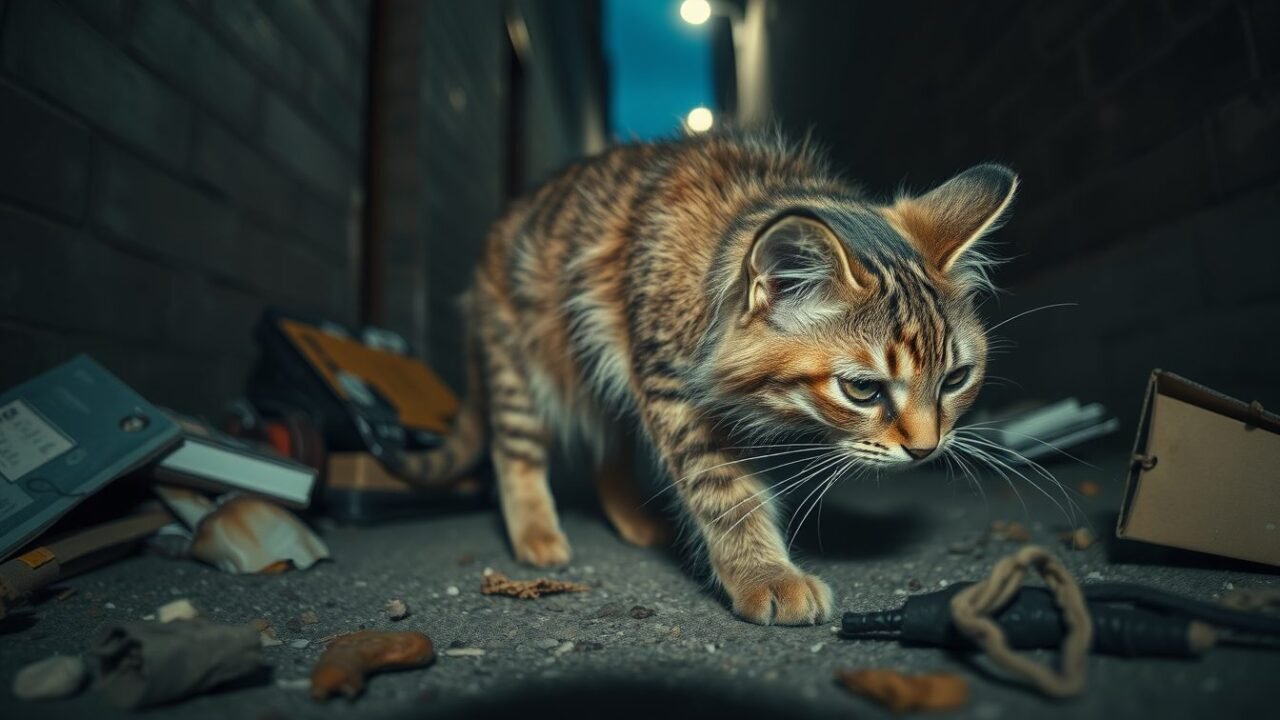
Here is what almost no one tells you when they see a picture of a German Rex. Everything the breed is today—every wavy-haired, soft-to-the-touch cat—descends from that stray cat. From her offspring, an entire lineage was born.
MYTH: "The curly coat of these cats is artificial or damaged."
REALITY: it is a natural coat mutation, the very thing that makes their fur short, wavy, and surprisingly soft. Humans didn't create it with chemicals; nature gave it to an ownerless cat.
What the German Rex is like today
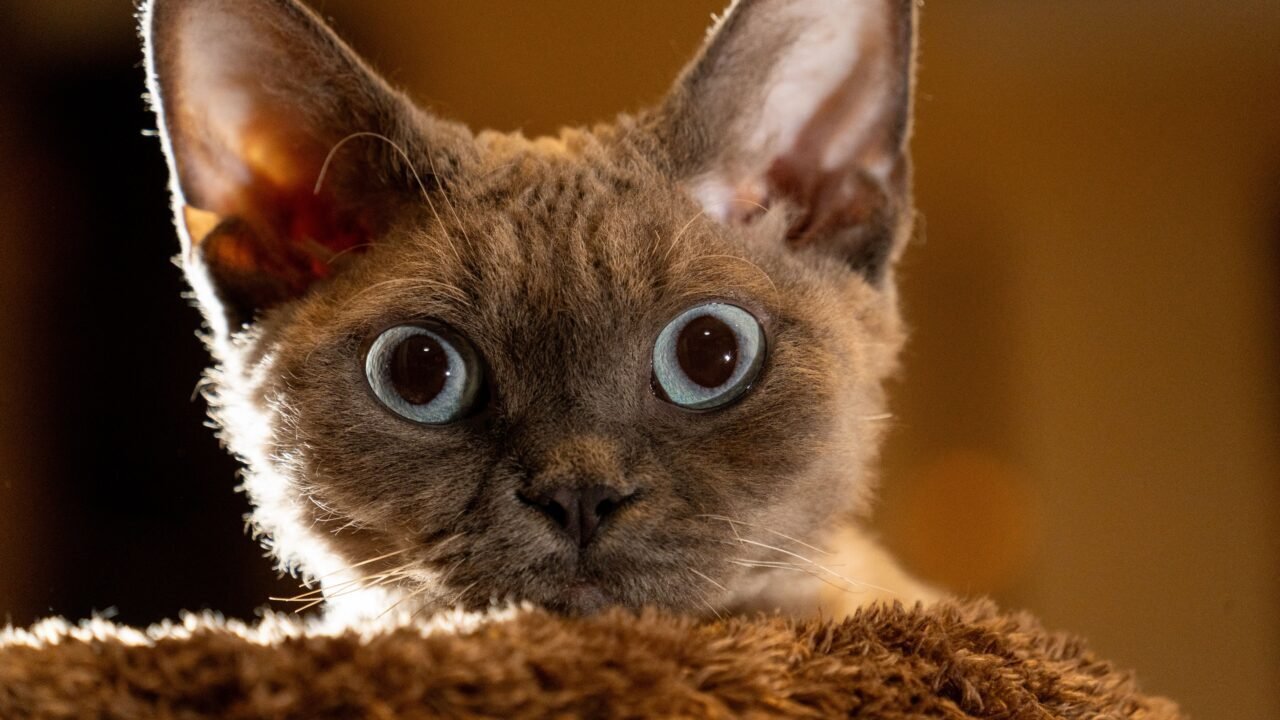
The German Rex inherited more than just a curl: it inherited personality. It is an affectionate, sociable cat deeply attached to people, the kind that follows you from room to room. Playful, curious, and ideal for indoor living.

Care is straightforward: that short coat requires almost no brushing, and like any cat, it appreciates daily play, good nutrition, and vet checkups. Low maintenance, high affection.
From forgotten cat to living legend
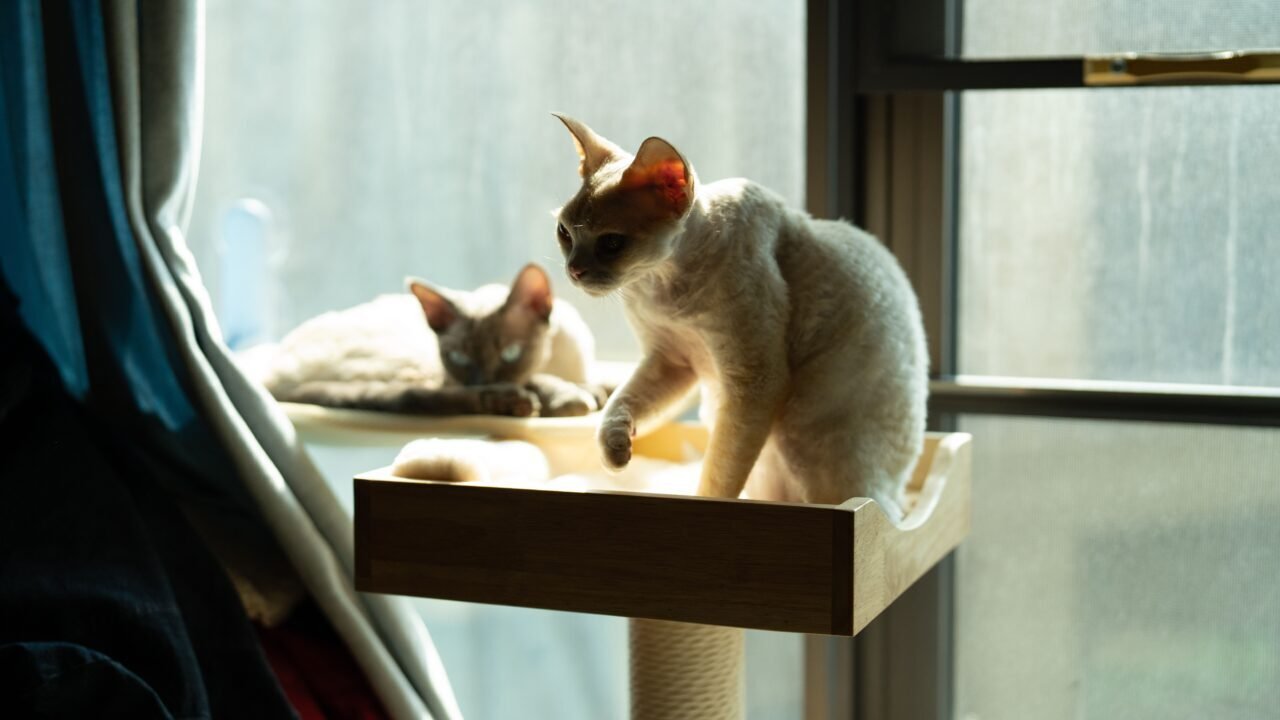
Think about it for a moment. A cat no one wanted, shivering with cold among the rubble of a war, ended up giving rise to a breed that now lives in homes all over the world. Every German Rex you see is, literally, a tiny piece of that survival story.
Sometimes the extraordinary doesn't arrive with a pedigree or papers. It shows up disguised as a stray cat with weird fur. And if you are fascinated by cats that break the rules of what a cat "should" be, check out how your own cat's personality might be a mirror of your own, according to science.
Frequently Asked Questions
What is the German Rex and where does it come from?
It is a short-haired, wavy-coated cat breed originating in Germany from a curly-haired stray cat found in Berlin in the mid-20th century. The entire breed descends from that single cat.
Why does the German Rex have curly hair?
Due to a natural genetic coat mutation, not human manipulation. This mutation produces a short, wavy, and very soft coat that is characteristic of the breed.
What is the temperament of the German Rex?
It is affectionate, sociable, and deeply attached to people. Playful and curious, it adapts well to indoor living and enjoys constant human company.
🔍 Looking for something else?
If you want to read other articles similar to German Rex: The True Story of the Stray Cat That Saved a Breed you can visit the category Cat breeds.
Leave a Reply
More cat breeds!