

I'll save you the suspense: there is no such thing as a 100% hypoallergenic cat. I know that hurts—especially if a single photo of a cat makes you sneeze. But before you spend a fortune on a feline sold as “zero allergy,” read on. What I’m about to tell you can save you money and a lot of disappointment.
The thing that triggers your sneezes isn’t the fur, contrary to common belief. It’s a robot-sounding protein: Fel d1. It’s present in a cat’s saliva, skin and urine; when the cat grooms, it spreads the protein across its coat and from there it lands on your sofa, your clothes and in your nose. And here’s the uncomfortable fact: all cats produce Fel d1. Every single one. There isn’t one that’s free of it.
So what does “hypoallergenic” mean?
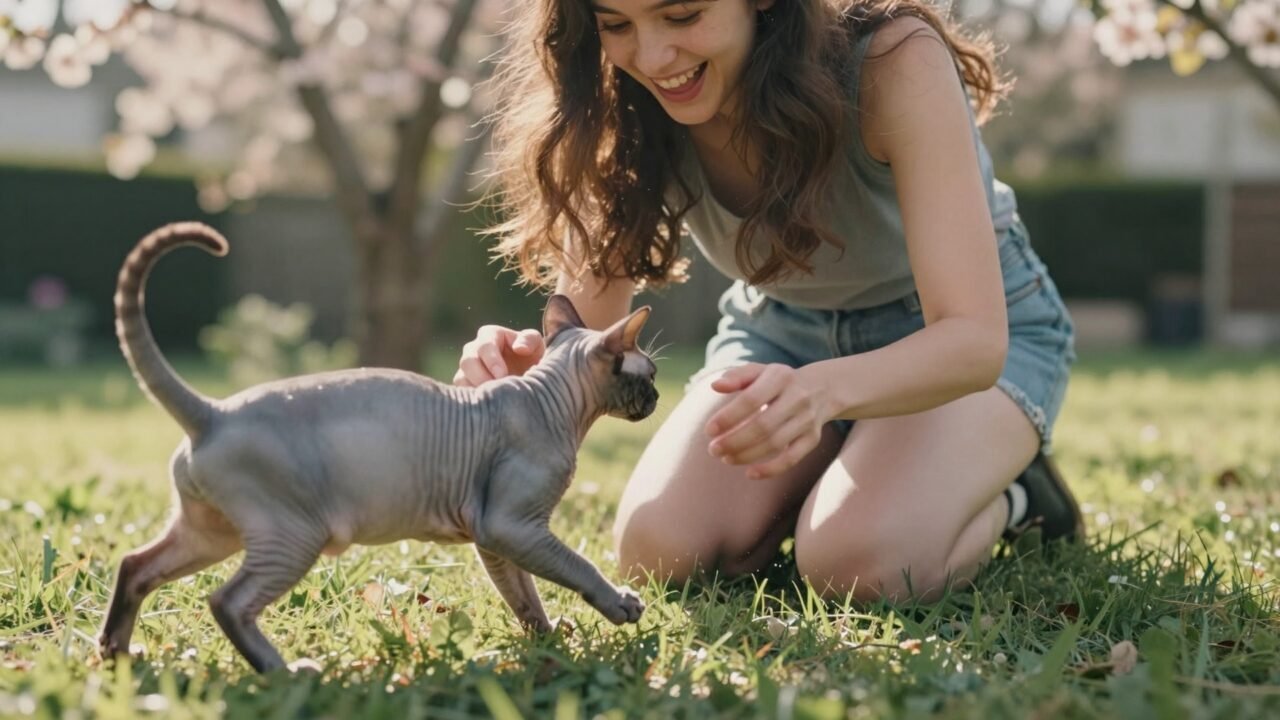
It means they produce less Fel d1, not that they produce none. Think of it as turning the volume down on a very loud speaker instead of switching it off. For many people, that reduction is enough to move from misery to manageable: living with a cat without feeling like you’re in a dust storm. For others with severe allergies, even that won’t do. So the golden rule remains: spend time with the cat before bringing it home.
Breeds that truly tend to produce less Fel d1
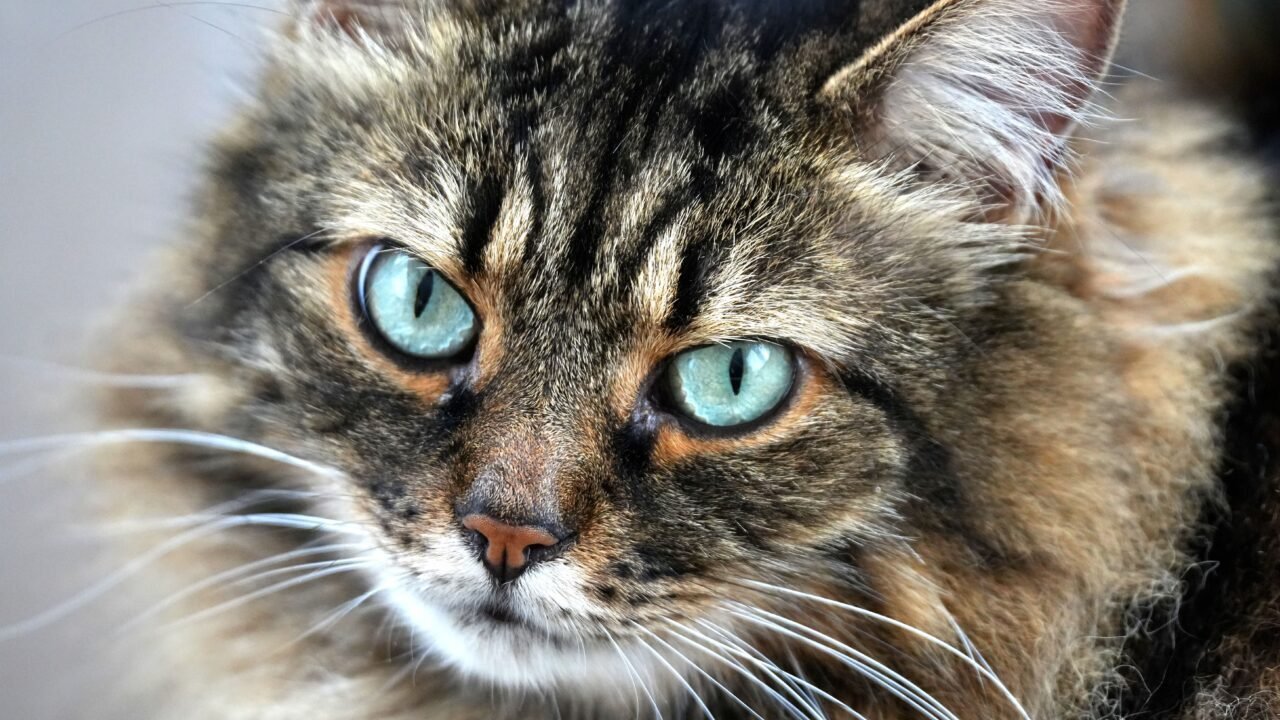
These are the breeds that research and breeders repeatedly point to. None are magical, but they have the best reputation among people with allergies:
- Siberian: the most commonly mentioned. Oddly enough, this large, long-haired cat produces surprisingly low levels of Fel d1. Nature has a sense of humor.
- Sphynx: the famous hairless cat. It still has allergens, but because it doesn’t shed fur it spreads less dander. Be aware: it requires regular bathing because oils build up on the skin.
- Devon Rex and Cornish Rex: very short, curly coats that shed less hair and release less dander into the environment.
- Balinese and Russian Blue: both have a reputation for producing less Fel d1 than the average cat.
Is the Siberian a gimmick or a lifesaver?
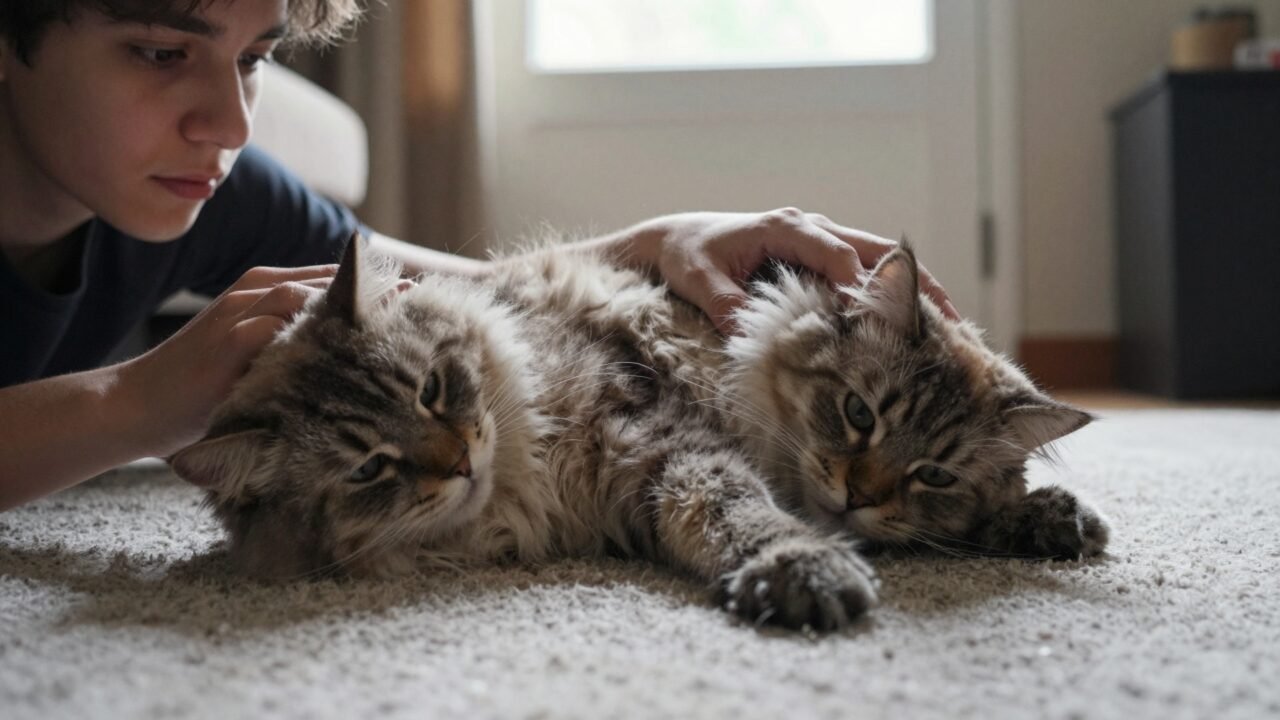
Of all of them, the Siberian causes the most chatter—and with good reason. It produces significantly less Fel d1 than most cats, to the point that many allergic people live with one without needing antihistamines. Is that an absolute guarantee? No. But it’s the closest thing to a feline utopia available today.
Now for the elephant in the room: price. A Siberian or Sphynx from a reputable breeder can cost as much as a high-end smartphone—or sometimes more. It’s not affordable for everyone, and I won’t sugarcoat that. But if allergies have kept you from getting a cat, this can change the equation: the difference between a lifetime of sneezes and a life of itch-free cuddles may be worth the investment. Think it over carefully.

The uncomfortable secret about “hypoallergenic” cats: what no one tells you
I’m going to drop a truth bomb, and it might sting. That label “hypoallergenic cats” is a bit like unicorns: a pleasant fantasy. Here’s why: when I look for a cat that won’t make me miserable, I want to hug it without my eyes turning into tomatoes and my nose becoming a faucet. But reality is harsher.
There is no—repeat, NO—100% hypoallergenic cat. Not one. What there are, however, are breeds considered hypoallergenic because they produce less of the Fel d1 protein, the main culprit behind allergic reactions. That sticky protein is in their saliva, skin and urine—and when they lick themselves it spreads across furniture as dander.
So if you dream of a magical allergy-free solution, lower your expectations. With a Sphynx, Devon Rex or Siberian (the breeds friendliest to allergy sufferers) your reaction will likely be milder—you may be able to live with one without feeling like you were hit by a truck.
But zero allergy? Impossible. It’s like being told there’s “calorie-free chocolate.” Sounds great, but reality says otherwise. The goal is to reduce risk, not eliminate it. That’s the secret many prefer not to reveal.
Frequently Asked Questions
Which cat breeds are considered hypoallergenic and why?
The most commonly cited are the Siberian, the Sphynx, the Cornish Rex, the Devon Rex, the Balinese and the Russian Blue. They’re considered hypoallergenic because they tend to produce less of the Fel d1 protein in saliva and sebaceous glands—the main trigger for human allergic reactions. None of them are allergen-free: they produce less, not zero.

Are these breeds suitable for people with severe allergies?
They can help, but they won’t guarantee that symptoms disappear. These breeds produce lower Fel d1 levels, but they still carry the protein in saliva, skin and urine, and can trigger reactions in very sensitive people. Before adopting, spend time with the particular cat, and if your allergy is severe consult a medical specialist.
Is a hairless cat automatically hypoallergenic?
Not necessarily. Allergies are caused by the Fel d1 protein, which all cats produce whether they have fur or not. A Sphynx still produces Fel d1; because it doesn’t shed fur it distributes less dander around the home, which reduces symptoms for many people—but not for everyone.
Los Gatos Baby editorial. We are not veterinarians: we cite sources. For allergy decisions, consult a healthcare professional.
🔍 Looking for something else?
If you want to read other articles similar to Best Hypoallergenic Cat Breeds — Enjoy a Feline Companion you can visit the category Exotic.
Leave a Reply
More cat breeds!