

You've been awake for five nights straight. Your cat is howling by the door at 3:00 AM, rubbing against everything, has started urinating on the hallway wall, and has tried to escape twice. You're looking up how long this is going to last. You just need a date to hold on to.
And that's where the internet lets you down, because you'll get four different answers: two days, fourteen, seven to ten, "several weeks." They're all made up. They are because the question itself is flawed from the start.
Male cats do not go into heat. It doesn't exist. That's why there is no duration to give you — and that is precisely the information you need to decide what to do next.
How long does a male cat’s heat last?
It doesn't last at all, because a male cat never enters heat. Heat — estrus — is a hormonal cycle exclusive to females: she becomes receptive for a few days, stops being receptive, and repeats the cycle. That cycle has a beginning and an end.
Males don't cycle. Once they reach sexual maturity, they are permanently available, every single day of the year, until they are neutered or until they pass away. There is no waiting period.
What you are seeing at home is not his heat. It is his reaction to a female in heat a few streets away. She releases pheromones in her urine and vocalizes; he picks up on it and gets triggered. When her estrus ends, he calms down. And when another female starts, it all begins again.

That's why the calendar you were looking for doesn't exist. Your cat isn't following his own clock: he's following the neighborhood's.
So, at what age does this start?
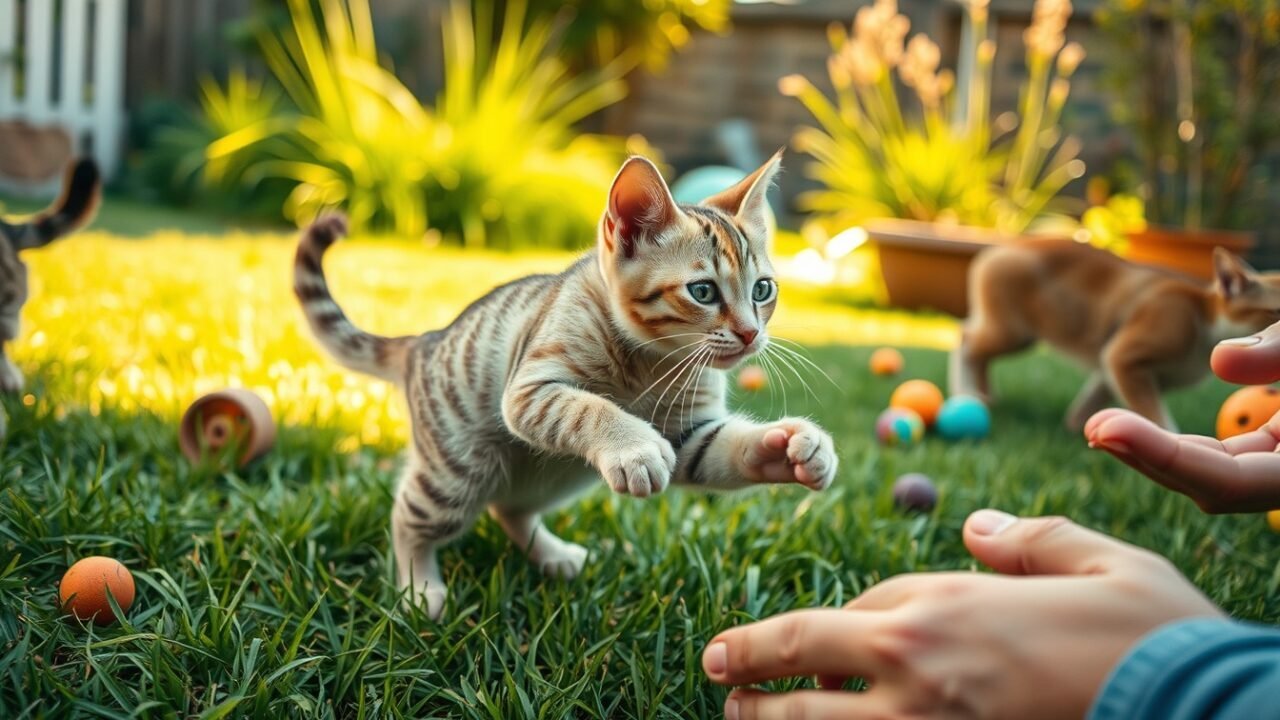
Sexual maturity in male cats generally arrives between 7 and 12 months of age. In outdoor or stray cats, it can be delayed significantly longer, up to a year and a half.
There is a physical sign that appears beforehand: around six or seven months old, they develop small cornified papillae on the penis — known as penile spines — which are directly dependent on testosterone. It's a clean biological marker: if they are present, hormones are at work. They disappear after neutering.
They also change outwardly. An intact male develops the famous tomcat jowls, those broad, chubby cheeks typical of neighborhood cats, alongside a urine odor that is considerably stronger than that of any neutered cat.
There is a season, but it’s not his: it’s theirs
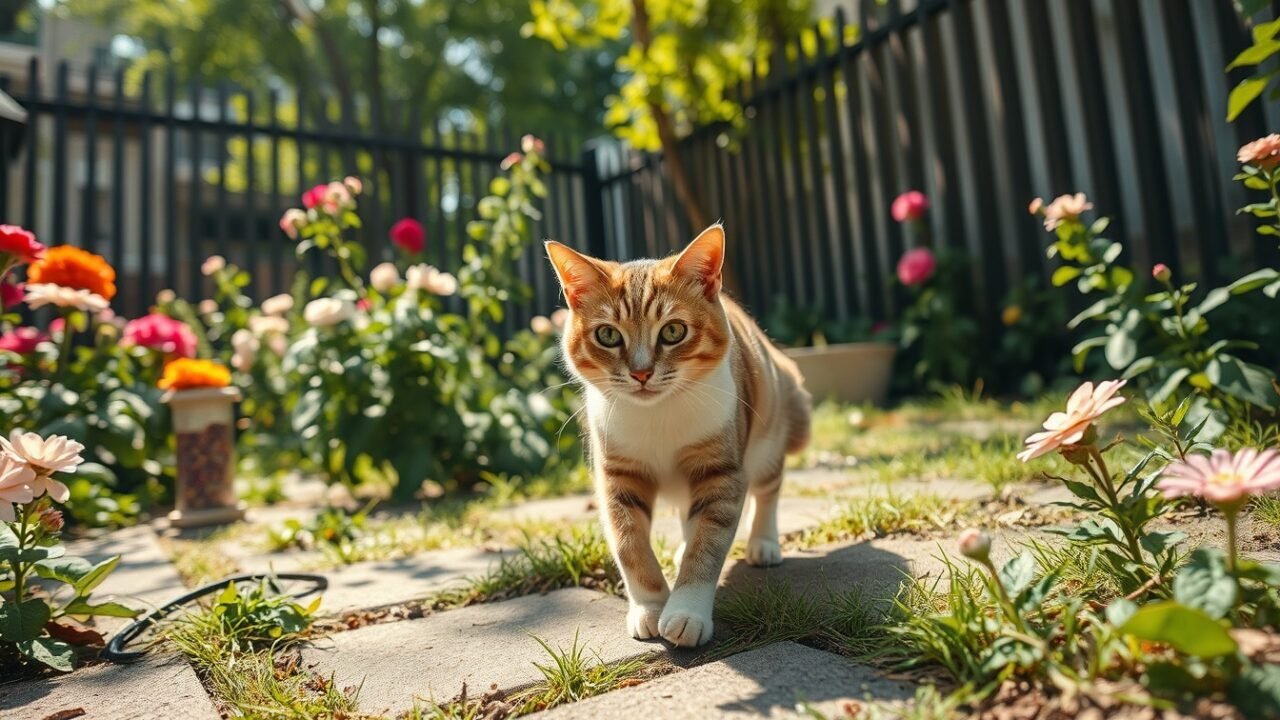
Female cats cycle based on daylight: more hours of sunshine mean more heat cycles. In temperate zones, this concentrates reproductive activity from spring through autumn, and intact males experience a sort of frenzied peak during this period — more fights, more spraying, more escapes — which drops off when the cold weather arrives.

However, there is a modern twist: artificial light. In an apartment with lights left on until midnight, a female cat can cycle practically year-round. Studies show that males exposed to twelve hours of continuous daily light display no seasonal variation in their reproductive behavior. Translated to your life: if you were hoping winter would bring some rest, it might never come.
What you’re actually seeing (and why it gets worse)
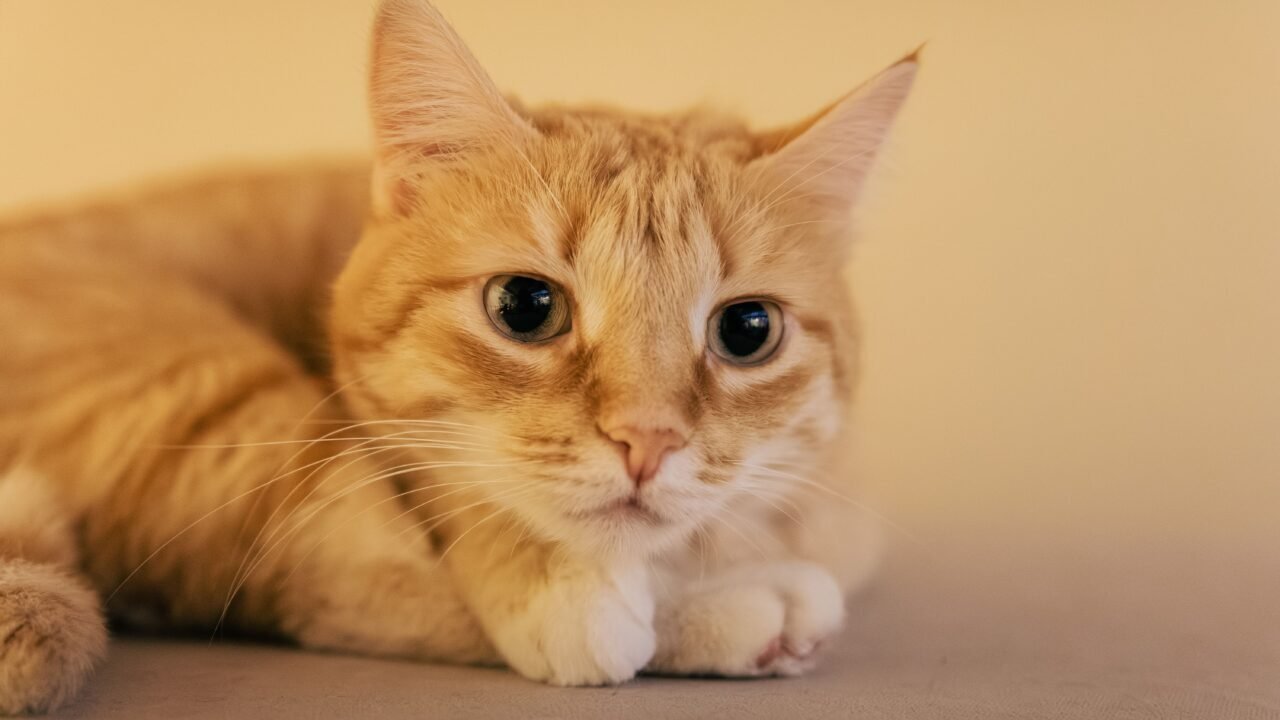
An intact male's behavioral repertoire has five components: endless vocalization, urine spraying on vertical surfaces, escape attempts, fighting with other males, and rubbing against everything in sight.
Urine spraying deserves special attention because he isn't just urinating "by mistake." He backs up against an object, raises his tail, makes it vibrate, treads with his hind legs, and shoots a stream onto the wall. It is a complete, deliberate behavior complete with its own choreography.
And the escape attempts are what should truly worry you. An intact male crossing streets at night in search of a female is the exact profile of a cat that ends up hit by a car, suffering from a fight abscess, or contracting feline leukemia or FIV, which are transmitted directly through bites.
Neutering: what it fixes and what it doesn’t
Classic veterinary research figures are quite striking. Following neutering, about 87% of males reduce or eliminate urine spraying, nearly 90% reduce roaming, and around 88% stop fighting. Some do so within days; others improve gradually over the course of weeks.
Now for the fine print, which almost nobody is honest about: approximately one in ten neutered males continues to spray. When a behavior has been established for a long time, it stops being purely hormonal and becomes learned — the cat no longer sprays because of testosterone; he sprays because it's what he's used to doing. This is why neutering before the habit becomes fixed yields much better results than neutering after two years of marking the sofa.

And something worth mentioning to avoid false expectations: neutering does not change character. It won't turn a nervous cat into a calm one, it doesn't eliminate aggression toward people, and it doesn't "turn off" his personality. It only affects behaviors driven by sex hormones. Everything else comes down to genetics and upbringing, which remain the same.
Frequently Asked Questions
How long does heat last in a male cat?
Males don't go into heat: they lack an estrus cycle. Once sexually mature, between 7 and 12 months of age, they are permanently receptive. What looks like a "heat cycle" is actually their response to nearby females in estrus, and it lasts as long as their heat does.
Does breed influence this behavior?
Not significantly. It is a hormonal behavior common to the entire species. Noticeable differences depend on the individual and whether the cat has outdoor access, rather than the breed.
Will my cat stop yowling at night if I neuter him?
In most cases, vocalizations associated with seeking females drop significantly, along with roaming and spraying. This can happen immediately or take a few weeks. If your cat yowls at night for other reasons — boredom, hunger, pain, or advanced age — neutering won't fix it.
Is it better to neuter before or after sexual maturity?
Neutering before spraying becomes a habit reduces the likelihood that it will persist and prevents secondary sex characteristics from developing. The exact timing should be decided by your veterinarian based on the animal's weight, health, and circumstances.
Sources and references: VCA Animal Hospitals on the feline estrus cycle (exclusive to females) · the landmark study by Hart and Barrett in the Journal of the American Veterinary Medical Association regarding behavioral changes after neutering · veterinary literature on male puberty, androgen-dependent penile spines, and the absence of seasonal variation under continuous light.
At Los Gatos Baby, we are not veterinarians: we curate what trusted sources say. Any decision regarding neutering your cat should be made alongside your veterinarian, who has physically examined him.
🔍 Looking for something else?
If you want to read other articles similar to How Long Does a Male Cat's Heat Last? The Uncomfortable Truth you can visit the category Health & Care.
Leave a Reply
More cat breeds!