

Two kittens from the same litter. Identical genetics, identical starting point.
One stays indoors. The other goes outside every day.
The indoor cat will live between 12 and 20 years. The outdoor cat, with luck, will make it to 5.
It is neither bad luck nor personality. It is the most brutal statistic in feline life, and almost no one knows it before making the decision.
The short version, if you are in a rush: breed plays a role, but much less than you think. The three factors that truly decide are whether they go outside, whether they are spayed or neutered, and whether they maintain a healthy weight. All three depend on you, not genetics.
Indoors vs. Outdoors: The Gap That Explains Almost Everything
Let us start with the factor that outweighs all others combined.
| Factor | Indoor Cat | Outdoor Cat |
|---|---|---|
| Life Expectancy | 12-20 years | 2-5 years |
| Main Risk | Obesity and boredom | Being hit by a car |
| Serious Illnesses | Infrequent | Feline leukemia, immunodeficiency |
| Vet Care | Preventive, scheduled | Emergency only |
The number one cause of premature death in cats with outdoor access is being hit by a car. Following close behind are fights—which transmit feline leukemia and FIV through bites—accidental poisonings, and disappearances.
There is a middle ground that many people ignore: a cat-proofed balcony with netting or a catio. The cat gets to go outside, sunbathe, smell the air, and watch birds, while still remaining safely indoors. It is the best compromise possible for both.

Breed: It Matters, But Less Than You Think
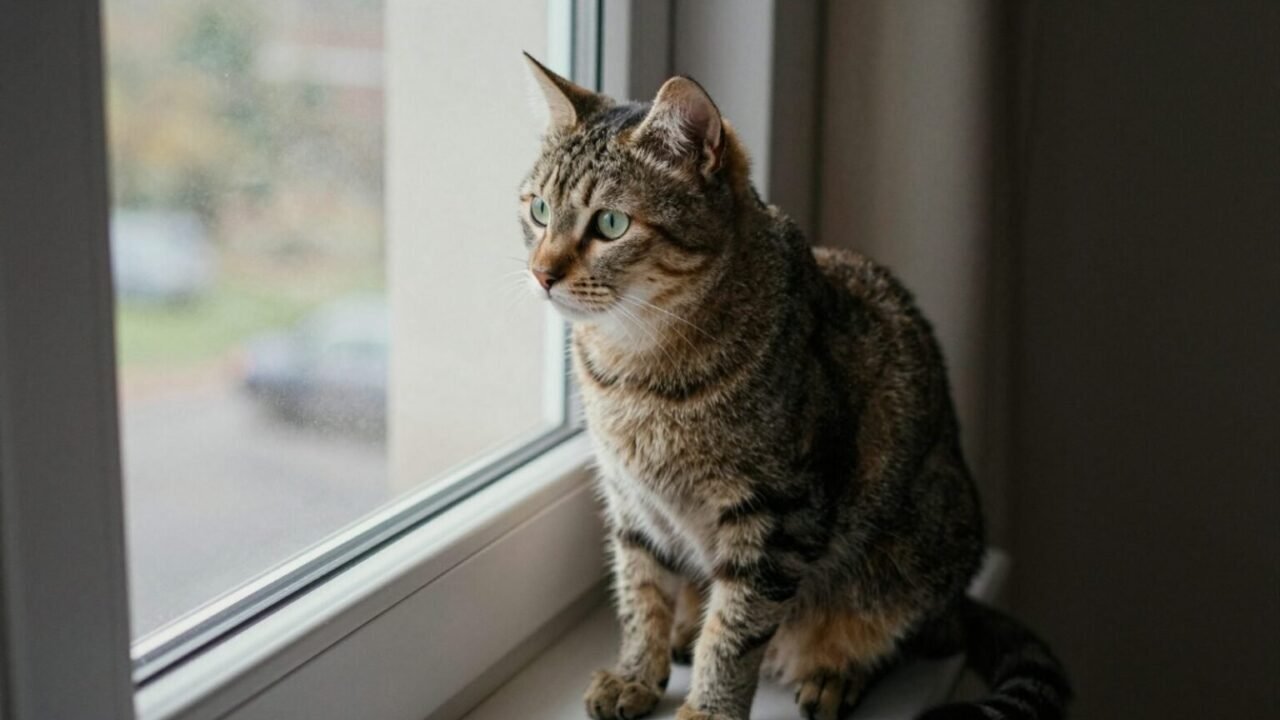
Here is the fact that surprises almost everyone: mixed-breed cats, the classic domestic shorthair, often live just as long as or longer than purebreds.
The reason is basic genetics. A purebred is created by selecting and breeding related individuals, which also concentrates hereditary diseases. Mixed-breed cats have a more balanced genetic lottery.
🚫 MYTH: "A purebred cat is healthier because it is better bred."
✅ REALITY: Quite the opposite. Mixed-breed cats have greater genetic diversity and therefore fewer hereditary health issues. Purebreds come with specific predispositions that you should know about before adopting.
👇 Breed predispositions worth knowing
- Maine Coon: Hypertrophic cardiomyopathy. Genetic tests exist—ask the breeder.
- Persian and Exotic Shorthair: Polycystic kidney disease and respiratory issues due to flat faces.
- Siamese: Respiratory and digestive issues, though they tend to be long-lived.
- Ragdoll: Also prone to heart conditions; reputable breeders test for this.
- Scottish Fold: Osteochondrodysplasia. The gene responsible for folded ears affects cartilage throughout the entire body.
- Bengal: Urinary and digestive issues occur with some frequency.
Knowing this is not meant to discourage you from certain breeds. It is so you can monitor the right things: a Maine Coon with regular heart check-ups will easily live a full 12 to 15 years.
Three Decisions That Extend a Cat’s Life
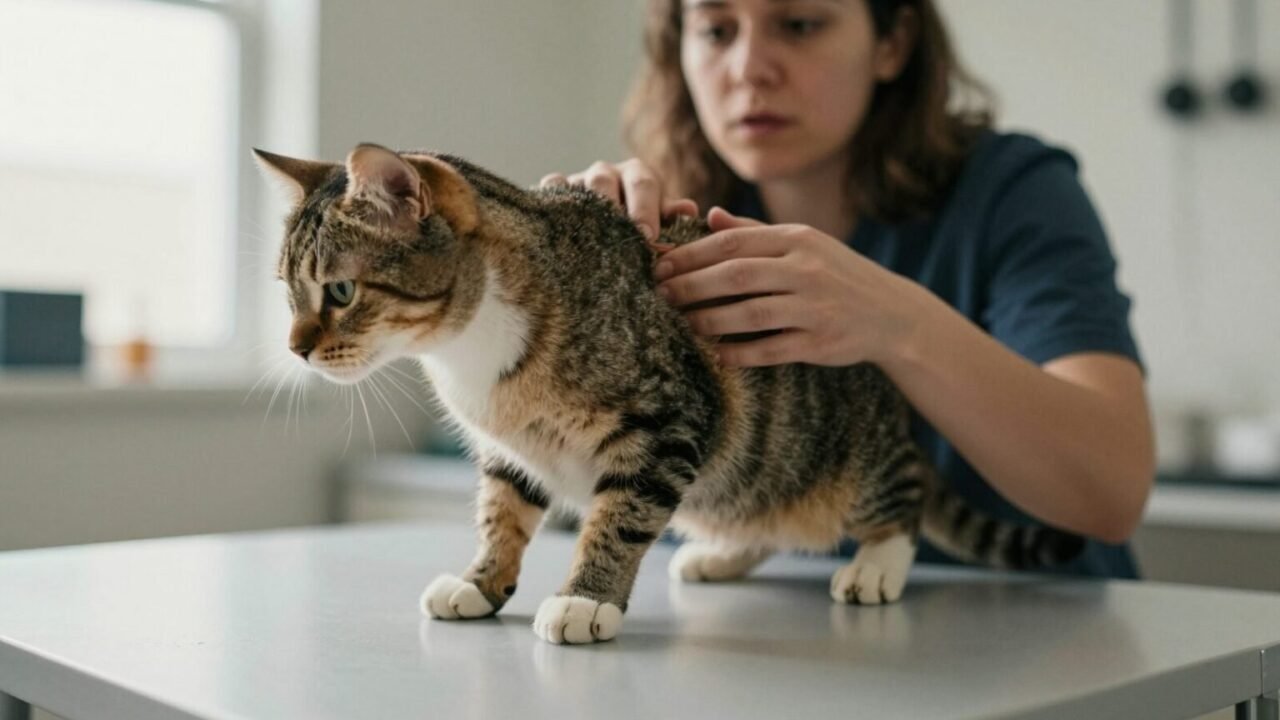
1. Spay or neuter. It eliminates reproductive cancers, reduces roaming—and therefore car accidents and fights—and offers the best cost-to-benefit ratio for longevity in all of feline medicine.
2. Manage their weight. Feline obesity leads to diabetes, arthritis, and liver problems. A fat cat's extra weight is often hidden by fur: you can detect it by feeling their ribs. If you cannot feel them when running your hand along their sides, they are overweight.

3. Annual vet checks, and every six months starting at age 10. This is the golden rule almost nobody follows.
👇 What everyone believes: "If they seem fine, there is no need to take them to the vet."
👇 What actually happens: cats mask pain by instinct. In the wild, showing weakness is a death sentence.
👇 What veterinarians say: chronic kidney disease—the leading cause of death in older cats—shows no symptoms until two-thirds of the kidney is destroyed.
👇 What nobody tells you: an annual blood panel catches it years in advance. Caught early, it can be managed with diet, buying them extra years of life.
A Cat’s Life Stages and What to Watch For at Each Age
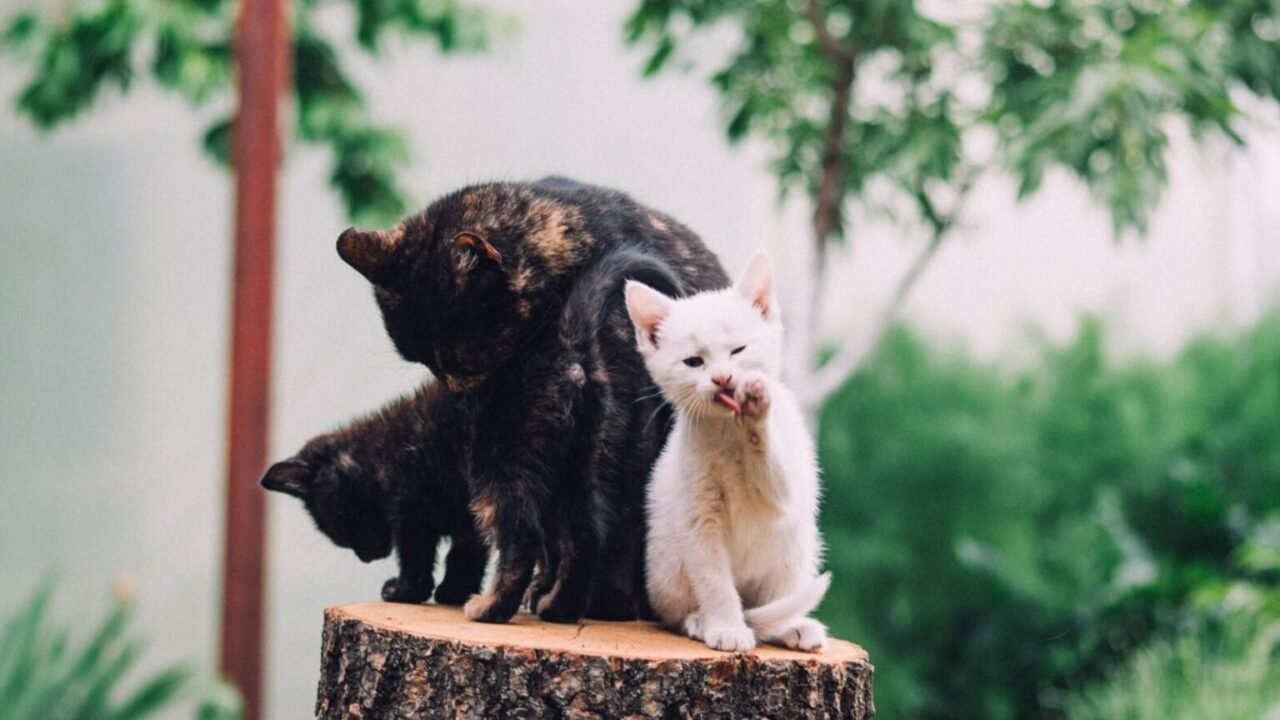
0-1 year: Kitten. Vaccinations, deworming, and spaying/neutering. This is where the foundation is built.
1-6 years: Young adult. The easy stage. Annual check-ups and weight control are key, as this is when extra pounds quietly start to pile up.
7-10 years: Mature. They start moving around a bit less. This is the time to add blood work to their annual check-up.
11+ years: Senior. Veterinary visits every six months. Kidney issues, thyroid problems, and arthritis begin to appear—all three are manageable if caught early.
Red flags in an older cat—these are not just "signs of aging":
- Drinking and urinating much more than before (kidneys or diabetes)
- Losing weight while eating the same amount or more (thyroid)
- Stopping jumping onto high spots they used to reach easily (arthritis, which causes pain)
- Neglecting grooming or obsessively licking one area
- Severe bad breath (dental issues that make eating difficult)
What Truly Decides the Number
Let us return to the two kittens from the beginning. Same genetics, same body, same breed. Fifteen years of difference.

That difference was not written by their DNA. It was written by a household decision: open door or closed door.
And that is the honest summary of this entire article. You can read life expectancy charts by breed for hours, but breed provides the margin; care provides the years.
An indoor, spayed or neutered mixed-breed cat at a healthy weight with annual vet visits will almost always outlive a purebred cat that goes outside. Almost always.
Frequently Asked Questions
How long do domestic cats live on average?
A well-cared-for indoor cat lives between 12 and 20 years, with an average around 15. Cats with free outdoor access rarely make it past 5 years old, primarily due to car accidents, fights, and contagious diseases.
Do mixed-breed cats live longer than purebreds?
Generally, yes. Mixed-breed cats have greater genetic diversity and therefore fewer concentrated hereditary illnesses. Purebreds often carry specific predispositions—such as heart issues in Maine Coons and Ragdolls, or kidney problems in Persians—that require monitoring through specific testing.
Does spaying or neutering extend a cat's life?
Yes, measurably. It eliminates reproductive cancers and pyometra, and significantly reduces roaming behavior, which lowers the rate of car accidents and fights that transmit feline leukemia and FIV. It is the single intervention with the greatest impact on longevity relative to cost.
At what age is a cat considered senior?
A cat is considered mature starting at age 7 and a senior starting at age 11. From age 7 onward, it is wise to add blood work to annual check-ups, and by age 11, switch to veterinary exams every six months to catch kidney, thyroid, and joint issues early.
How do I know if my cat is overweight?
Run your hand along their sides: you should be able to feel their ribs without pressing hard, covered by a thin layer of fat. If you cannot find them, your cat is overweight. Viewed from above, a noticeable waist should be visible just behind the ribs. Fur can be very deceptive, especially in long-haired breeds.
If your cat has already entered their senior years, there are subtle signs that appear long before any blood test and which most people mistake for normal aging: 5 signs your cat is sick that almost everyone misses until it is too late.
🔍 Looking for something else?
If you want to read other articles similar to How Long Do Cats Live? The Real 15-Year Difference you can visit the category Health & Care.
Leave a Reply
More cat breeds!