

In the same city, on the same day: one family shaved their eyebrows in grief when their cat died. A few streets away, in a temple, a priest was breaking the neck of a kitten.
Both acts were aimed at the same sacred animal. Both took place in the Egypt that worshipped cats as few cultures ever have. That brutal contradiction — reverence and ritual killing side by side — is the secret most tourist postcards about the 'Egyptian cat' gloss over. Let's go deeper.
The Nile’s most sacred animal
To the ancient Egyptians, a cat was not simply a pet: it was the living shadow of a goddess. Bastet, goddess of fertility, health and protection, is portrayed with a cat’s head, and people believed each feline contained a spark of her spirit. To touch a cat was to touch the divine.
That reverence reached extremes hard to imagine today. Killing a cat — even by accident — could bring the death penalty. When a household cat died, families entered formal mourning and — as Herodotus recorded — shaved their eyebrows. They called them miu, 'the one who purrs.' Cats were not treated as mere animals but as sacred members of the family. Which makes what happened in the temples all the more difficult to accept.
The secret the temples kept
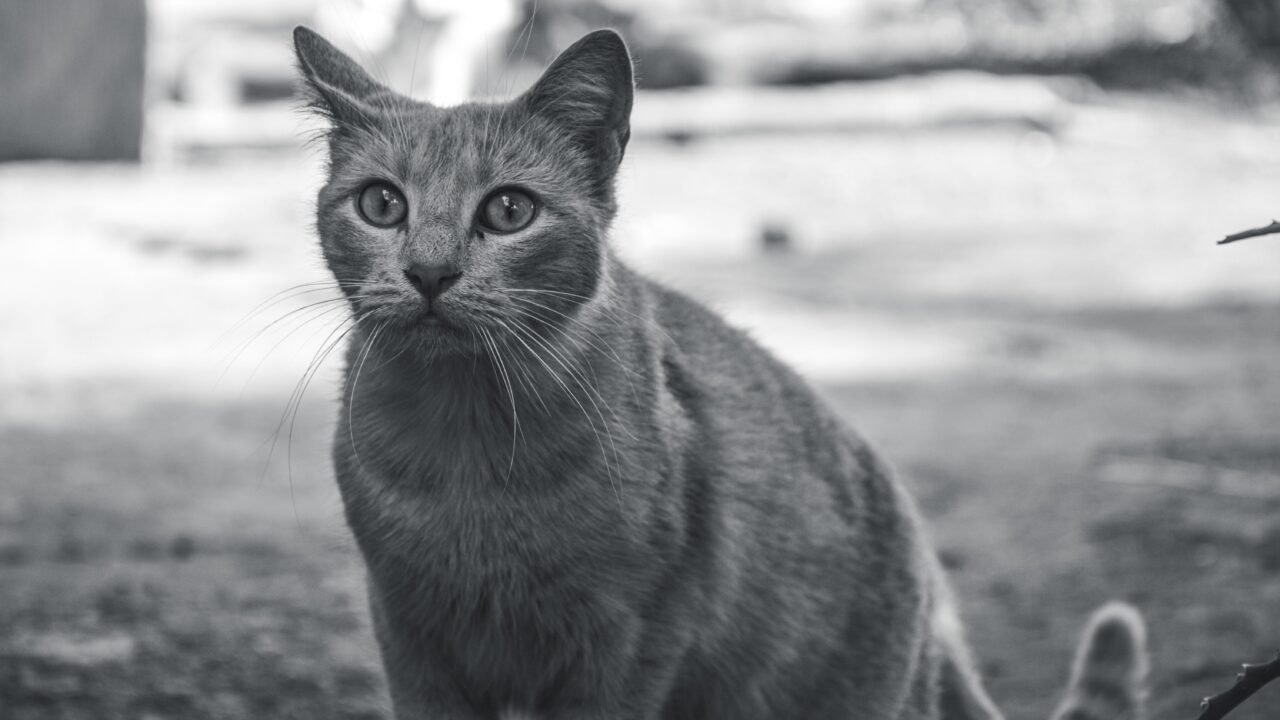
Here the story pivots. Around the major temples of Bastet, especially in the city of Bubastis, a quiet, vast business grew: cats were bred by the thousands solely to be killed and mummified for sale as votive offerings.
It ran like industry. Pilgrims arrived at the temple, paid, and received a mummified cat to present to the goddess and secure her favor. Demand was so huge that they mostly sacrificed kittens aged two to four months, because that size was more 'practical' to mummify. Archaeologists have uncovered millions of these mummies. The very animal you could not kill on the street without risking your life was mass‑bred in temple precincts to die young. Sacred and disposable at once.

From gods to fertilizer: the final fall
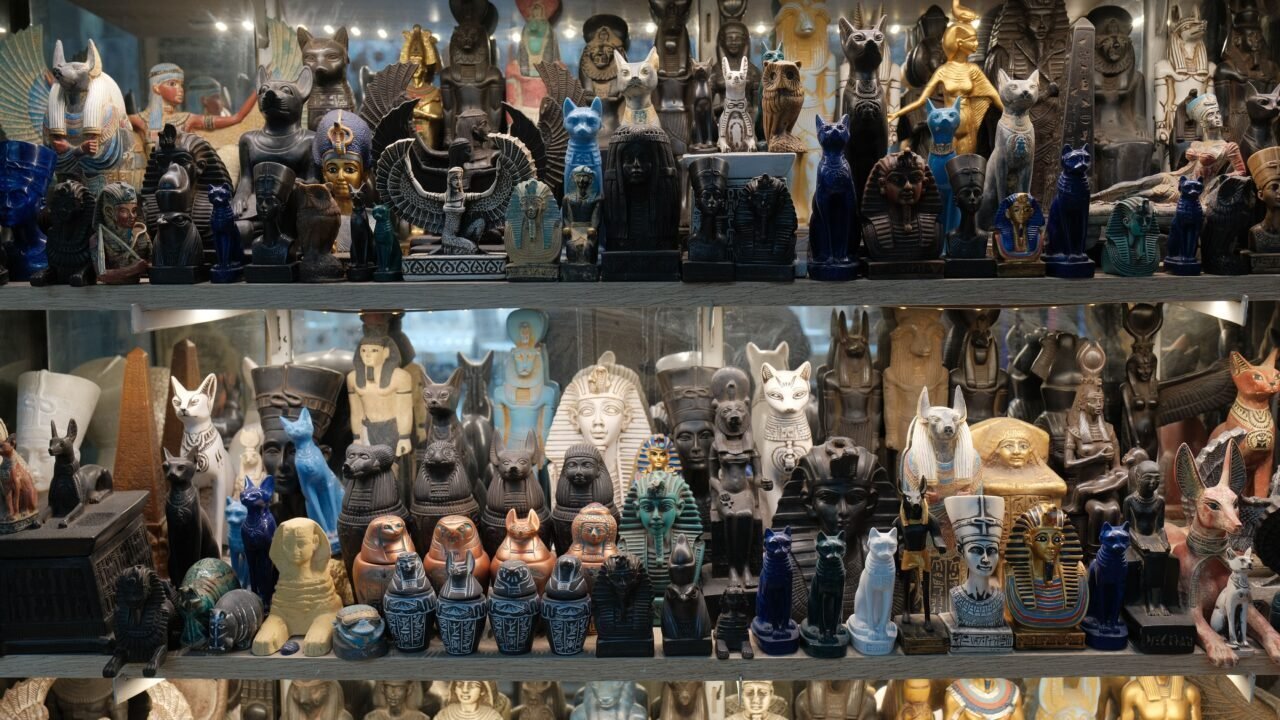
If you think the story can't get bleaker, there's more. Millennia later, in the 19th century, those mountains of cat mummies met an ending no pharaoh could have predicted: British merchants shipped them by the ton to Europe… to be crushed and used as fertilizer.
Read that again. Animals an empire worshipped as gods — mourned with shaved eyebrows — ended up spread across English fields to help beets grow. From divinity to fertilizer in three thousand years. Few declines are as complete in history. And yet, some trace of that sacred cat survived.
The heir that still survives: the Egyptian Mau
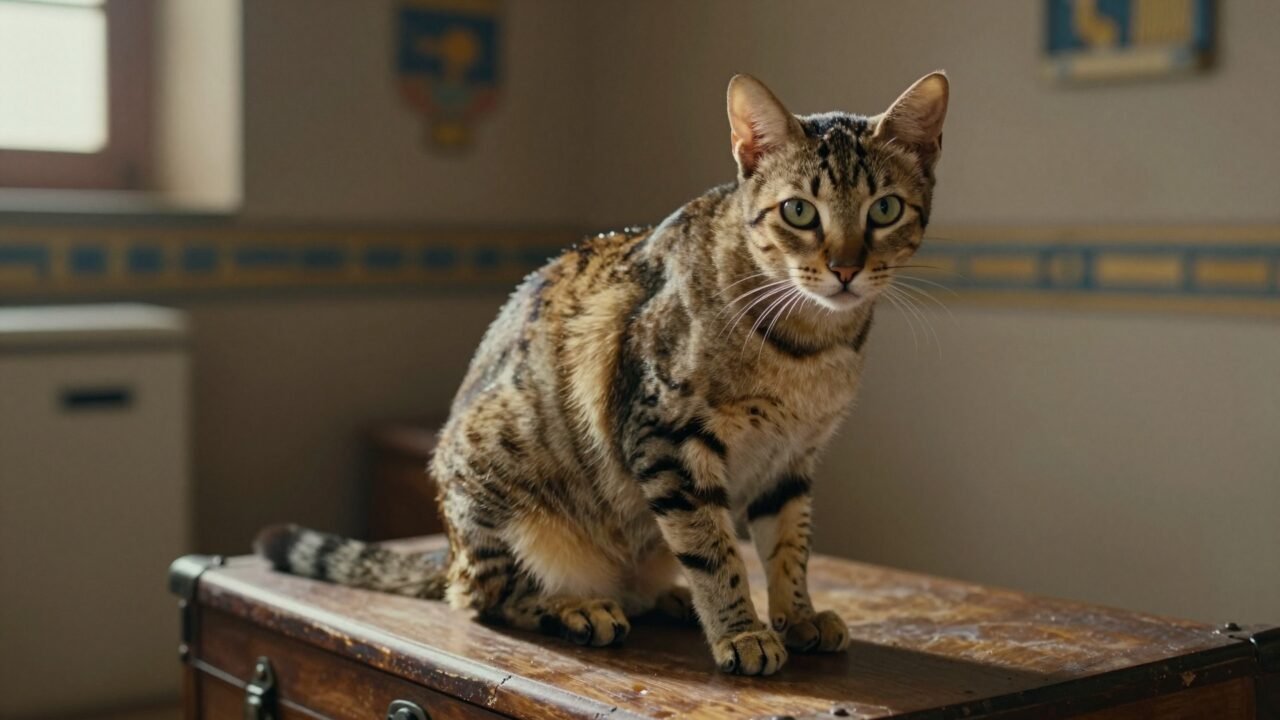
From that ancient line there remains a direct descendant you can still see today: the Egyptian Mau, considered one of the oldest domestic breeds and the one with the most traceable pedigree back to pharaonic Egypt. It is also the only domestic cat with a naturally spotted coat, not bred into existence by humans: those spots match the patterns painted in tombs thousands of years ago.
What's fascinating is how the breed came back into prominence. Modern Maus descend from street cats rescued from Cairo in the 1950s and taken to Europe and the United States to preserve the line. Today it's a rare, elegant and desirable cat — almost a status symbol. But remember the lesson of the story: in Egypt, being valuable didn't guarantee protection; sometimes it was exactly what condemned an animal. The blood of the pharaohs runs in the same ordinary cat that sleeps on a rooftop. Before paying a fortune for something 'sacred', it's worth keeping that in mind.
The Egyptian cat survived pharaohs, the priests who sacrificed it and the merchants who turned it into fertilizer. Worshipped or crushed, the cat ultimately had the last word: it's still here. The empire that revered it is not.

And perhaps the greatest irony is this: the most deified feline in history ended up spreading across the globe as the humblest, most common cat. If that leap — from Bastet's throne to the street — intrigues you, discover which cat really rules homes today, and why it isn't the expensive pedigree one.
Frequently asked questions about Egyptian cats
What is the Egyptian cat breed?
The archetypal Egyptian breed is the Egyptian Mau, a direct descendant of ancient Egyptian cats and one of the world's oldest breeds. It’s distinguished by its naturally spotted coat (unique among domestic cats) and its large, almond‑shaped, gooseberry‑green eyes.
Why did Egyptians worship cats?
Because they associated them with the goddess Bastet, protector of fertility, health and the home, and believed each cat embodied part of her spirit. Cats also defended crops and granaries from rodents and snakes, reinforcing both their sacred and practical value.
Did Egyptians really mummify cats?
Yes, and on an enormous scale. Archaeologists have found millions of cat mummies. Many of them were not beloved household pets but animals bred alongside temples specifically to be sacrificed and sold as offerings to Bastet. It was a genuine religious industry.
Does the modern Egyptian cat descend from pharaonic cats?
The Egyptian Mau preserves the most direct and traceable lineage to ancient Egypt. Modern examples stem from street cats taken from Cairo to the West in the 1950s to safeguard the breed. Its spotted coat is a living echo of the felines shown in pharaonic art.
Sources: genetic studies locating the domestic cat's origins in the North African wildcat and confirming ancient Egyptian mummies among the oldest · archaeological research on temple‑linked cat breeding for mummification (Journal of Feline Medicine and Surgery) · historical records of cat mummies shipped to Europe as fertilizer in the 19th century · and breed records for the Egyptian Mau and its lineage.
Historical and breed disclosure. Adopt when you can: the pharaohs' heir might be waiting in a shelter.
🔍 Looking for something else?
If you want to read other articles similar to The Egyptian Cat: Worshipped and Raised to Die you can visit the category Exotic.
Leave a Reply
More cat breeds!