

It looks like someone shrank a black panther down to couch-cat size: a lacquered coat, compact muscles and golden eyes that follow you around the room. But it isn’t wild at all. Someone bred it that way on purpose.
It’s called the Bombay, one of the most striking—and surprisingly little-known—domestic cats. Behind that miniature panther look lies a story of deliberate breeding, a personality that defies cat stereotypes… and an undeserved stigma. Let’s get to know it.
The panther someone set out to create
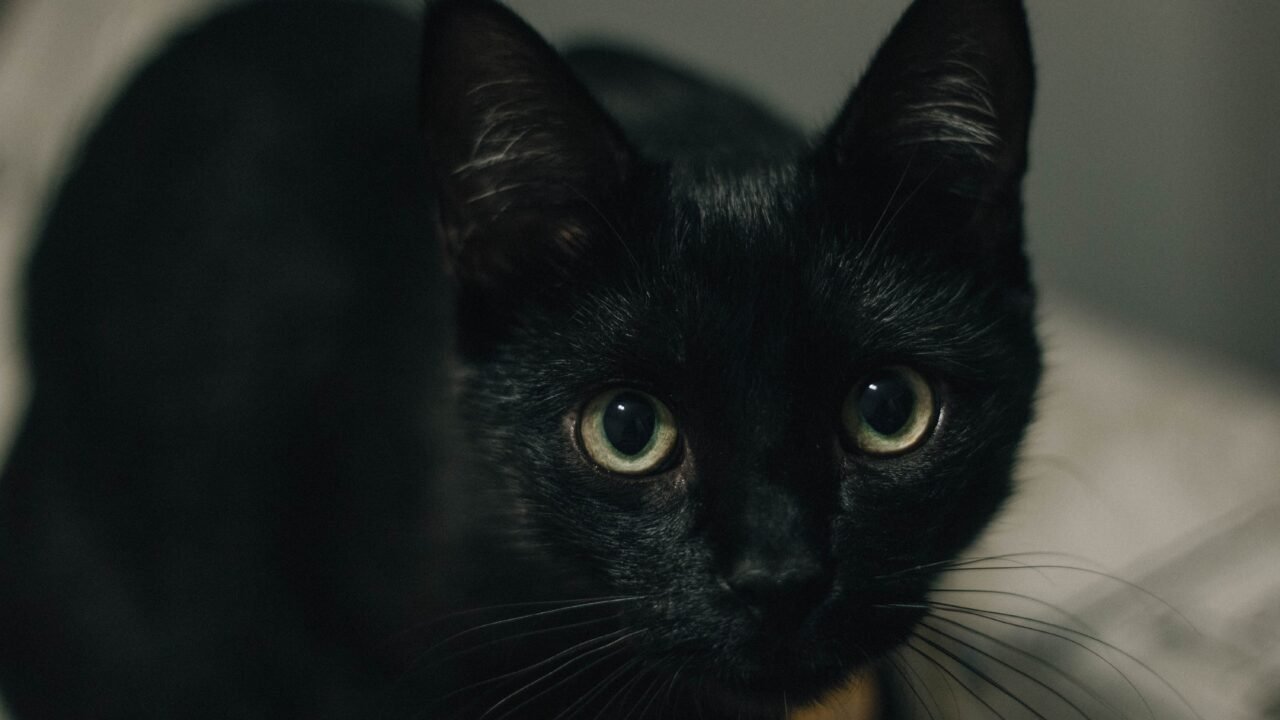
The Bombay isn’t an ancient or wild breed: it’s a deliberate creation. In the 1950s, Nikki Horner set out to produce a domestic cat that looked like a miniature black panther. To do that she crossed black American Shorthairs with Burmese cats.
The result was exactly what she wanted: a cat with a jet-black, glossy coat that seems lacquered, and striking copper or deep golden eyes that stand out like new coins. Muscular, graceful, hypnotic. A pocket panther. But the most surprising thing about the Bombay isn’t what you see in a photo: it’s its personality.
A panther with a dog’s heart
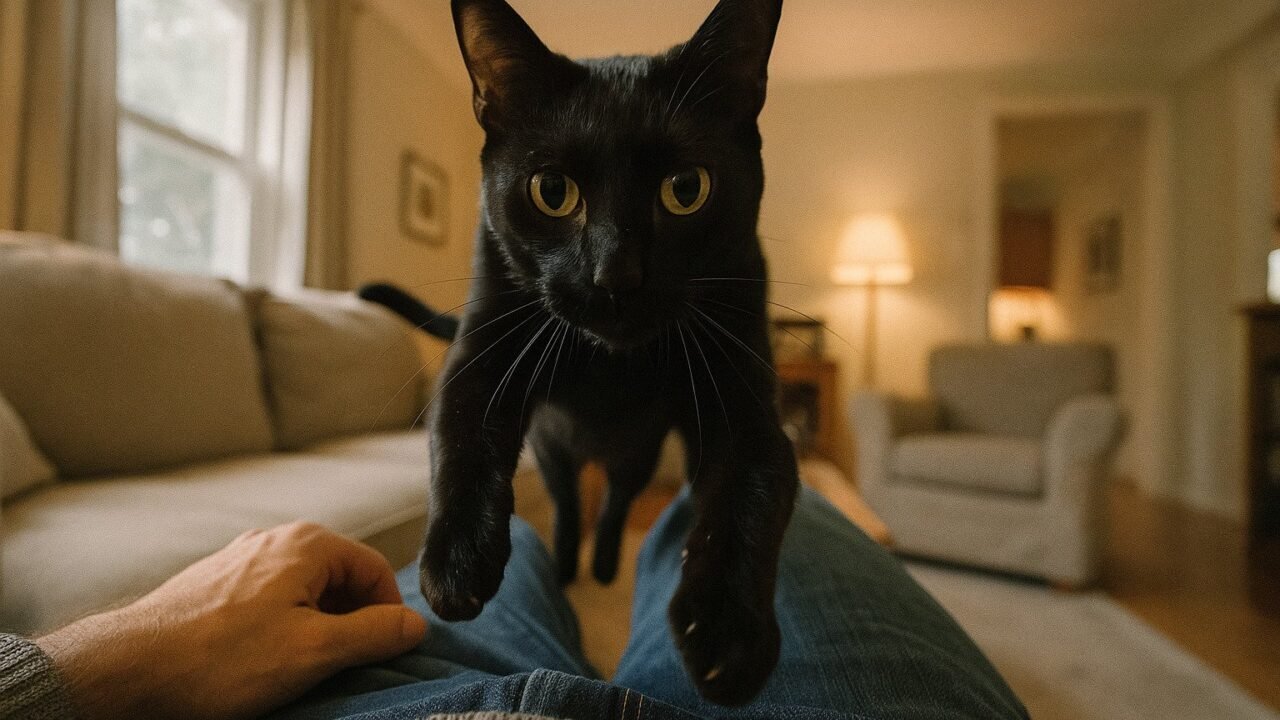
Forget the stereotype of the aloof, independent cat. The Bombay is almost the opposite. It’s a velcro cat: it follows you around the house, climbs into your lap, seeks out warmth (it loves burrowing under blankets) and boldly demands your attention.
It’s sociable, affectionate, playful and surprisingly easygoing: it adapts well to families, gets along with children and can live peacefully with dogs. Many owners say it behaves more like a dog than a typical cat. In short, it’s a tiny panther with a plush toy’s heart. Yet there’s one thing working against it that has nothing to do with the cat itself.
The stigma it does not deserve
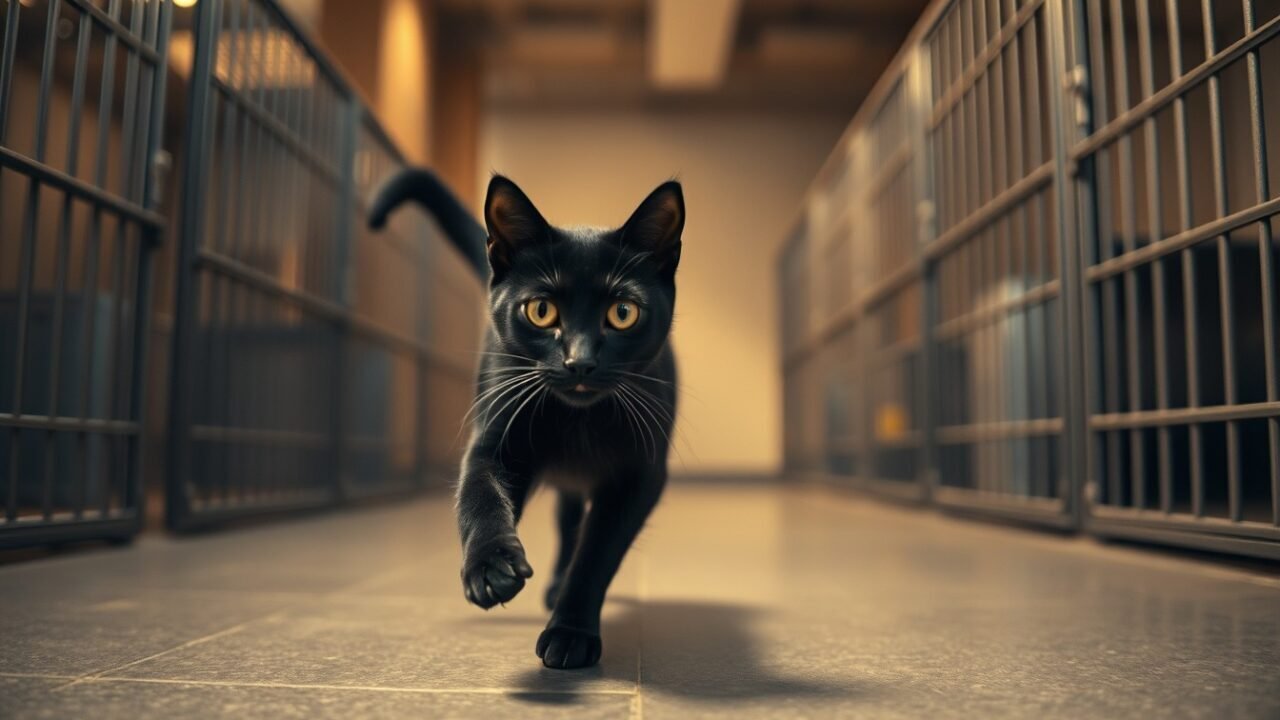
The Bombay carries an injustice for one simple reason: it’s black. And black cats have been saddled with centuries of baseless superstition that paint them as bad luck. That silly belief has a very real and very sad consequence: black cats are among the least adopted in shelters and often wait the longest for a home.

There’s not a shred of truth in that bad reputation. A black cat doesn’t bring bad luck: it brings purrs, companionship and years of affection. The Bombay is living proof that the “unlucky black cat” story is the saddest myth in the shelter. If you ever think about adopting, look at the ones everyone overlooks because of their color: they’re often the most loving.
The Bombay is a miniature panther with a velcro-dog soul. And if its black coat gives you pause, remember: that very hesitation is why so many wonderful cats are still waiting in cages.
And while we’re on color, there’s a whole science behind cat coat colors that can feel like magic: discover why cats are born in different colors (including a neat trick to guess a kitten’s sex just by looking).
Frequently asked questions about the Bombay cat
What is a Bombay cat?
It’s a breed developed in the 1950s to resemble a miniature black panther. It’s known for a jet-black, glossy coat and copper to golden eyes. Beyond its looks, it’s very sociable and affectionate.
What is the Bombay’s temperament like?
Very affectionate and attached. It’s a velcro cat that follows its family around the house, seeks laps and warmth, and gets along well with children and other pets. Many owners say it behaves almost like a dog.
Do black cats bring bad luck?
No—it's a superstition with no basis in fact. Unfortunately, that belief makes black cats less likely to be adopted. They are as loving and healthy as any other cat: adopting one is a great choice, not a risk.
Is the Bombay healthy?
Overall it’s a robust, generally healthy breed. As with any cat, keep an eye on weight and schedule regular vet check-ups. Since it descends from the Burmese, routine monitoring is sensible, but the Bombay doesn’t carry the severe issues seen in some heavily modified breeds.
🔍 Looking for something else?
If you want to read other articles similar to The Bombay Cat: A Miniature Panther That Fits on Your Sofa you can visit the category Cat breeds.
Leave a Reply
More cat breeds!