

The British Shorthair is a globally popular cat breed known for its calm and affectionate temperament. With their short coats and muscular builds, these cats make exceptional household companions that easily adapt to any environment. In this article, we will explore their physical characteristics, personality, and the care required to keep them healthy and happy.
Origins and characteristics of the British cat breed: the British Shorthair.
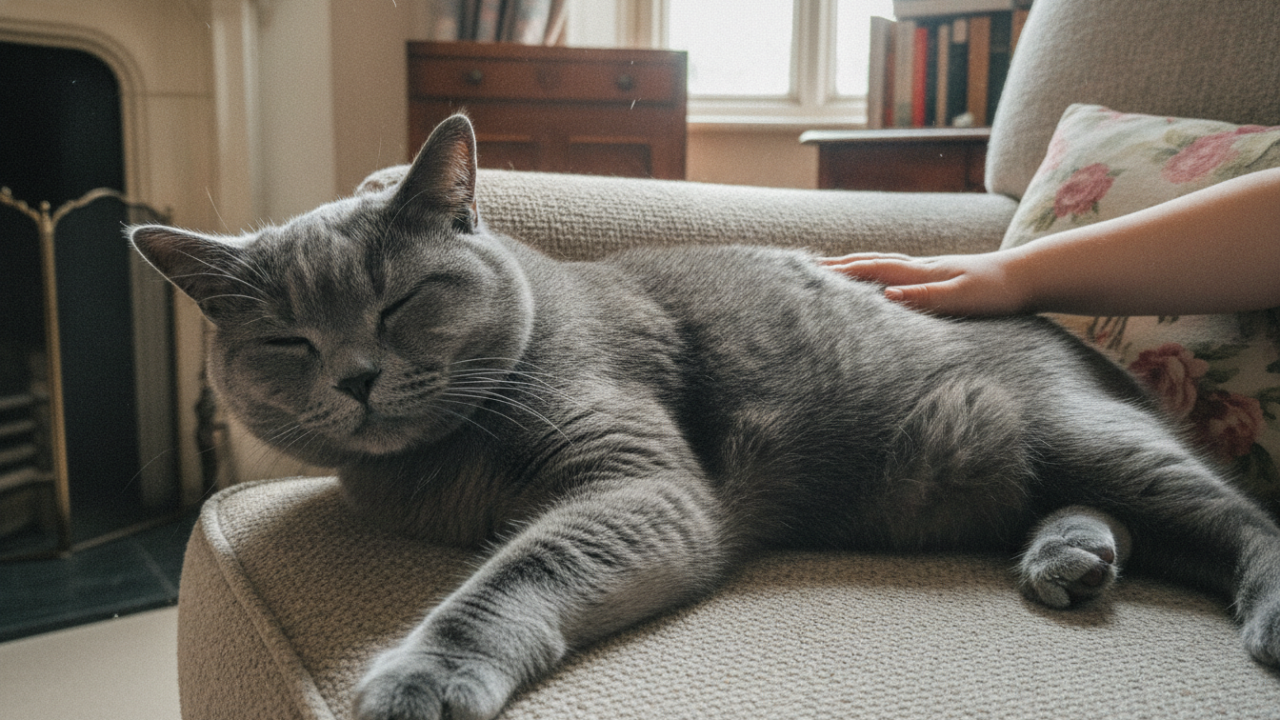
The British Shorthair originates from Great Britain. It is one of the oldest and most popular breeds in Europe and has been used to help develop other breeds such as the Scottish Fold and the Chartreux.
Physical characteristics: The British Shorthair is a medium-to-large cat with a sturdy, muscular body. Its legs are short and strong, and its head is round and broad. Its coat is short and dense, coming in a wide variety of colors and patterns.
Personality: The British Shorthair is known for being a calm, affectionate, and sociable cat. It adapts well to indoor living and makes a wonderful companion for seniors or families with children.
Care: The British Shorthair's coat requires regular brushing to prevent hairballs. They also need daily exercise and a balanced diet to stay healthy.
In summary, the British Shorthair is a popular and historic cat breed originating from Great Britain, renowned for its affectionate and laid-back personality, while requiring the standard basic care of any feline.

What are the most prominent physical characteristics of the British Shorthair cat breed?
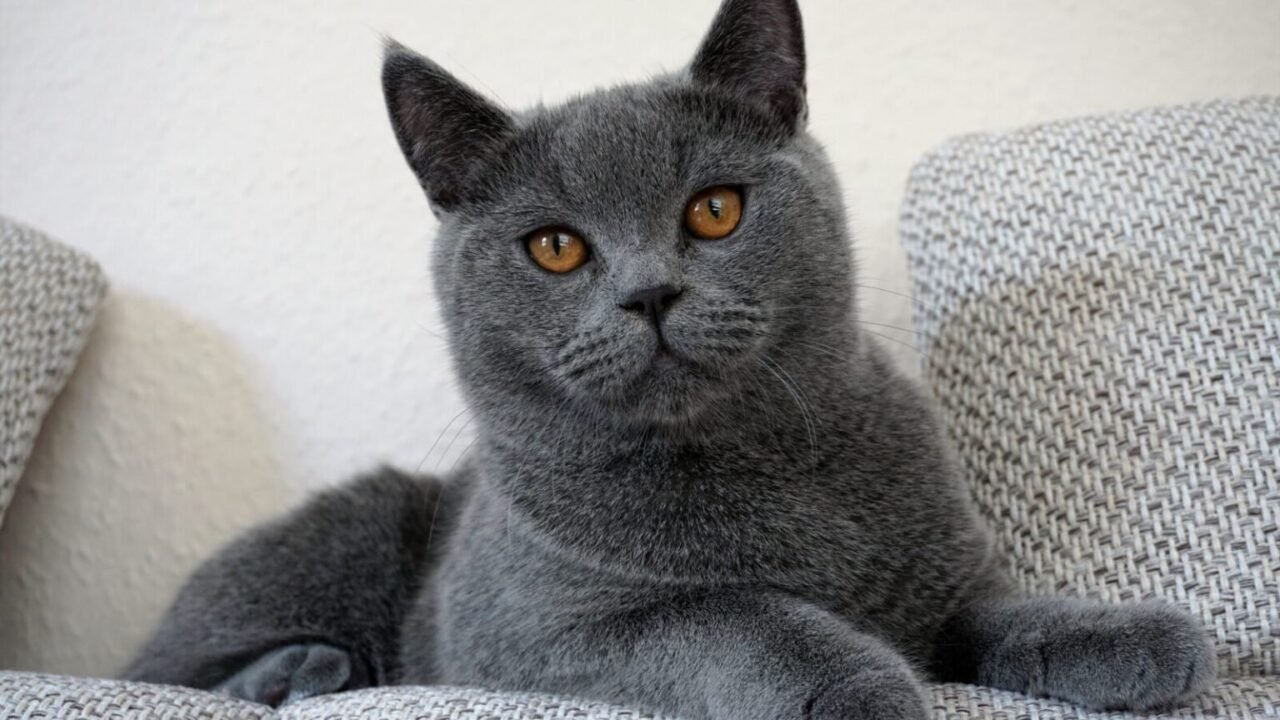
The British Shorthair cat breed has several distinctive physical traits. This breed is known for being large and muscular, featuring a round head and chubby cheeks. Their large, round eyes are another hallmark trait, as well as their dense coat, which comes in many different colors. They also feature short, strong legs and a thick, tapered tail. Overall, the appearance of a British Shorthair is robust and compact.
What is the temperament and personality of a British Shorthair cat like?
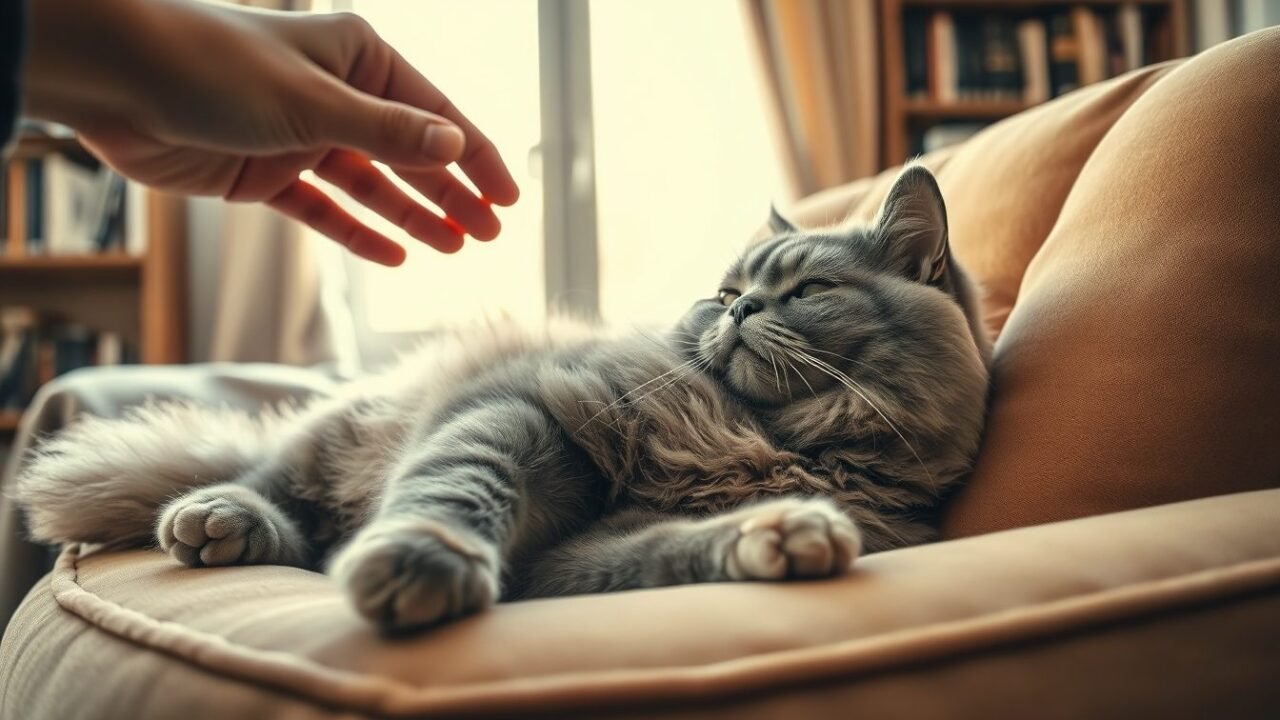
The temperament and personality of the British Shorthair cat are known for being calm and balanced. They are very loving and affectionate with their families and thoroughly enjoy human company (affectionate with their family). They are generally not very active (laid-back), but they do enjoy play and attention (enjoy human company). Despite their robust build, they are quite sensitive and can be affected by changes in their environment (sensitive). They are frequently described as 'gentle giants' due to their size and friendly nature (described as 'gentle giants'). In short, the British Shorthair cat is an ideal pet for anyone looking for a sociable, peaceful, and loving feline (ideal household pet).
What specific care does a cat of this breed need to maintain its health and well-being?
When discussing specific care for cat breeds, it is important to note that every breed has unique traits and needs. However, there is general care that applies to most cats.
Nutrition: Providing an appropriate and balanced diet is fundamental to maintaining your cat's health. The amount and type of food will depend on the cat's age, size, and lifestyle. High-quality food is recommended, while raw animal products should be avoided.
Grooming and Hygiene: Cats are very clean animals, making hygiene maintenance straightforward. Regular brushing is necessary to prevent hairballs from forming in the stomach, and baths should only be given when needed, as excessive bathing can harm their skin and coat.

Vet Visits: It is advisable to take your cat to the veterinarian at least once a year for a general check-up and routine vaccinations. If your cat shows any symptoms of illness or unusual behavior, prompt veterinary care is essential.
Exercise: Cats need exercise to stay healthy and prevent obesity. Providing toys and scratching posts is crucial to keep them mentally stimulated and physically active.
Dental Care: Caring for a cat's dental health is important, as they can develop issues like tooth decay and periodontal disease. Regular teeth brushing and chew toys are strongly recommended.
In summary, maintaining the health and well-being of any cat breed requires proper nutrition, consistent hygiene, regular veterinary check-ups, physical activity, and dental care.
British Shorthair: The Perfect Cat… or Full of Surprises?
When people search for "British Shorthair cat", they usually have one image in mind: a gray plush teddy bear with round eyes. And yes, that's the classic look, but I promise you this British cat has more layers than you might think. Their British Shorthair characteristics go far beyond that poker face.

They are calm, absolutely. The kind of cat that watches you come home from work, twitches an ear, and goes right back to sleep. No drama or tearing through the house. The downside is that this laid-back nature comes with a catch, and I don't just mean price. They can be prone to weight gain if you don't keep an eye on their exercise, and there's a secret few breeders mention:
They can sometimes carry a genetic predisposition to hypertrophic cardiomyopathy, which is essentially a ticking clock in their heart. Because of this, if you're considering getting one, always ask for the parents' health screenings. It's not meant to scare you, but rather to save you heartbreak down the road.
Speaking of heartbreaks, let's talk about the British Shorthair price. Brace yourself, because it's not exactly cheap. We're talking about the cost of a nice vacation or several weeks' worth of groceries. It heavily depends on the breeder, pedigree, and health clearances of the parents. I won't sugarcoat it: it's not a budget-friendly pet. But if you're looking for a quiet nap companion with that adorable teddy bear look, the investment might just be worth it.
🔍 Looking for something else?
If you want to read other articles similar to The British Shorthair: The UK's Most Iconic and Beloved Cat Breed you can visit the category Cat breeds.
Leave a Reply
More cat breeds!