

Your cat is scratching the sofa and driving you crazy. At some point, the forbidden thought crosses your mind: "what if I just declaw them and be done with it?". Stop. That idea, as practical as it sounds, is one of the worst things you could ever do to a cat. And once you understand what their claws are actually for, you will never think about it again.
They aren’t knives: they are their hands
First, a shift in perspective. To a cat, claws are not some extra, unneeded weapon: they are a part of their body just as essential as your fingers are to you. With them, they climb, stretch, balance, defend themselves, and explore the world. Removing them isn't "trimming an extra"; it is amputation.
What their claws are really for
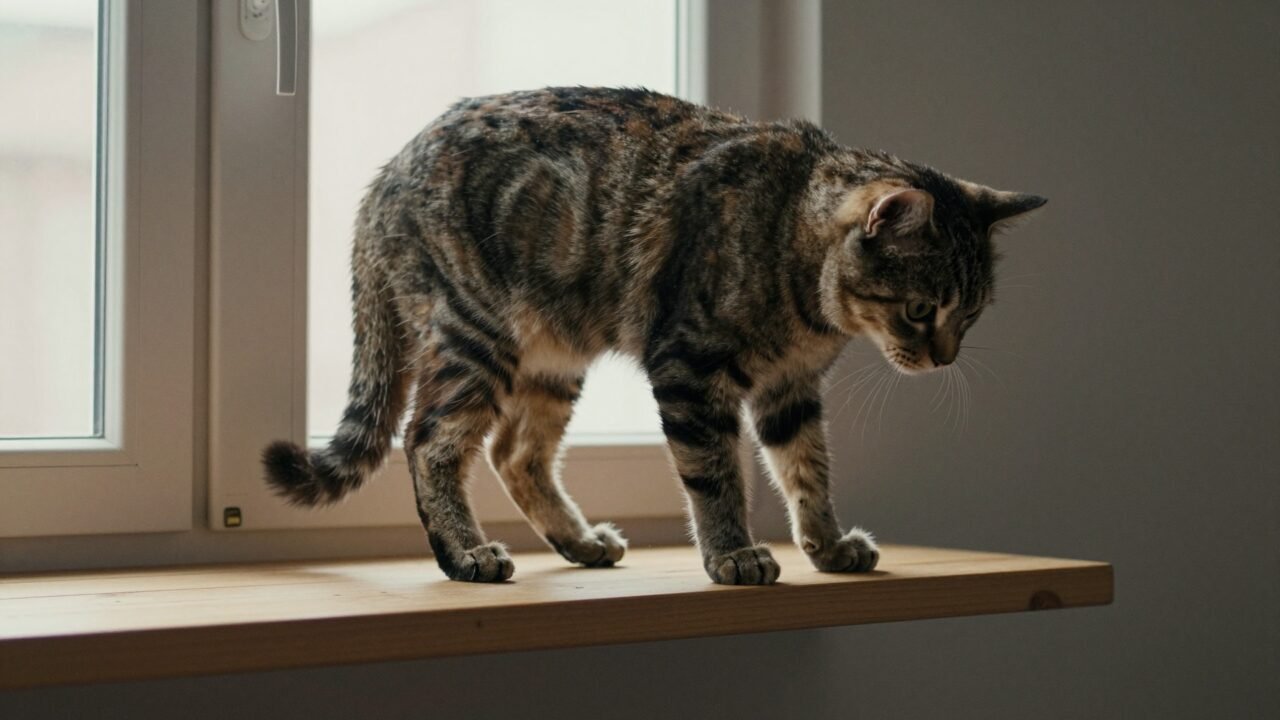
Here is what almost nobody values until they lose it. Claws serve vital functions every single day:
Balance and grip. Climbing, jumping onto a high shelf, landing safely: everything relies on those claws sinking in just millimeters to secure themselves.
Muscular health. When your cat "sharpens" their claws on a scratching post, they aren't just filing them down: they are stretching their whole body, working out muscles, and releasing tension. It's gymnastics and therapy all in one.
Territory and emotional calm. Scratching leaves visible marks and scent from their paw glands. It's their way of saying "I am here," which brings them peace of mind.

Why declawing is a serious mistake
Here is what that "practical" idea really hides. Declawing is not nail clipping: it is amputating the last bone joint of each toe, bone included. It's like having the tip of every finger chopped off at the knuckle.
MYTH: "I'll declaw them and stop stressing over my furniture."
REALITY: the cat can end up with chronic pain, changes in their gait, behavioral issues, and even increased aggression because you took away their primary defense tool. The furniture is saved; the cat pays the price.
The solution that actually works
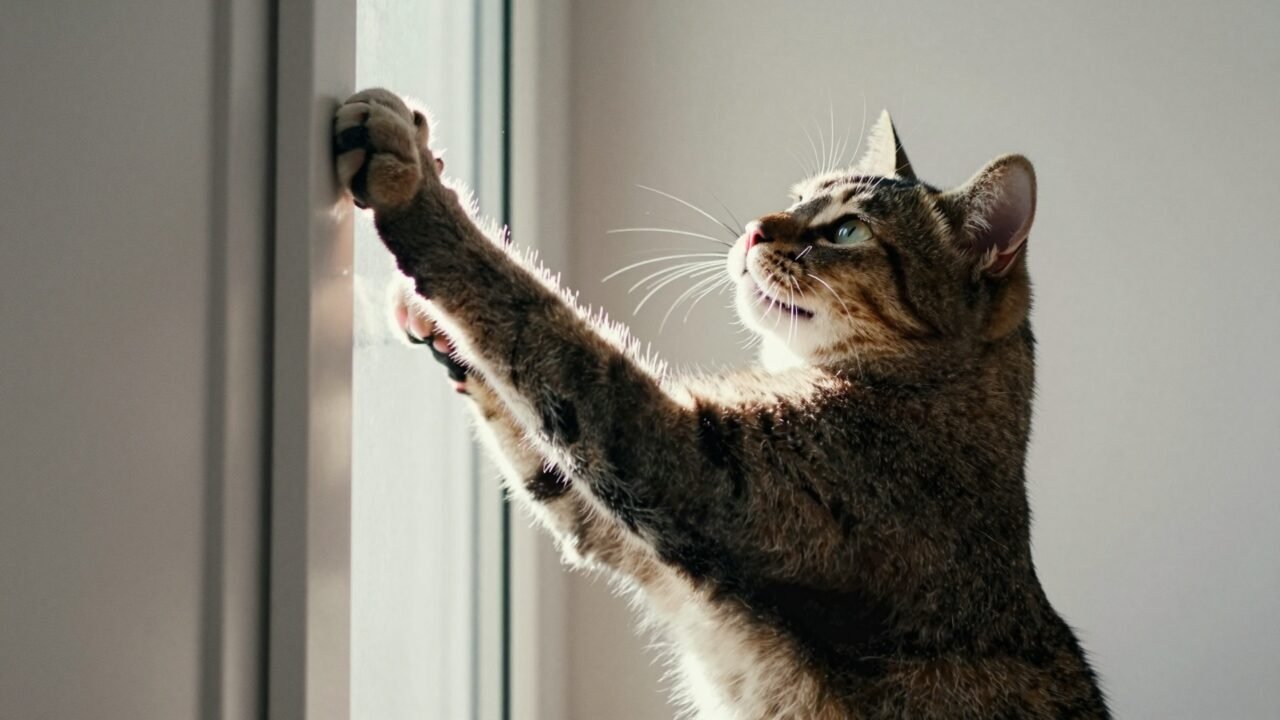
The good news: you don't have to choose between your couch and your cat. The answer is to redirect, not amputate. Offer appealing scratching posts (both vertical and horizontal), place them right where your cat already scratches, reward them when they use them, and regularly trim just the tips of their claws. With this approach, almost any cat will leave the furniture alone.
Their claws aren't the enemy. They represent health, balance, and well-being in every single paw. Respecting them means respecting what makes a cat a cat.
And if you are interested in understanding other feline body truths that almost nobody explains, check out what the "ugliest" cats in the world are really hiding: it's not what their face makes you think.

Why are cat claws the ultimate survival tool?
When you watch your cat sleeping softly and purring on the couch, it's easy to forget that those paws hide nature's most brutally efficient survival tool. I am talking about cat claws, of course. They aren't just decorations; they are a personal Swiss Army knife for anything wild life throws their way.
Imagine you find yourself in a tight spot. What would save you? A good smartphone? Your cat needs nothing more than its retractable claws. They are like little steel daggers that can be tucked away or popped out at will. Scaling a tree in two seconds to escape a dog? Done. Catching a mouse that didn't even know it was there? Piece of cake. And the most incredible part is how, in a split second, they can switch from the gentleness of a velvet glove to the fury of a lethal weapon. It's an impeccable design, the result of thousands of years of evolution.
And here is the best part: feline claws aren't just for attack or defense. They are also a personal gym. Scratching isn't just about sharpening; it's about stretching, marking territory (yes, using glands in their paw pads that release their personal "perfume"), and even blowing off steam. A cat deprived of using its claws is like Picasso without paintbrushes: frustrated and stripped of its main medium of expression. Understanding this is the key to living harmoniously with these engineering marvels of nature.
Frequently Asked Questions
What are cat claws used for?
For climbing, jumping, and balancing; for stretching muscles and releasing tension through scratching; for self-defense; and for marking territory (via visible marks and scent). They are essential to their body and overall well-being.
Is declawing a cat bad?
Yes. Declawing surgically amputates the last bone joint of every toe, not just the nail. It can cause chronic pain, changes in how they walk, behavioral issues, and increased aggression. It is a strongly discouraged procedure.
How can I stop my cat from scratching furniture without declawing?
Provide attractive scratching posts close to where they already scratch, reward them for using them, and regularly trim the tips of their claws. Redirecting the behavior works best and respects their health.
🔍 Looking for something else?
If you want to read other articles similar to What Cat Claws Are Actually For (And Why You Should Never Declaw Them) you can visit the category Health & Care.
Leave a Reply
More cat breeds!