

Think about your cat for a second. Are they high-strung? Sociable? Do they hide from visitors or jump onto the lap of the very first person who walks through the door? Now for the uncomfortable question: what if that personality isn't entirely theirs... but a mirror of your own? Science has actually looked into this. And what researchers found will make you look at your feline friend in a whole new light.
It’s no coincidence: what real science tells us
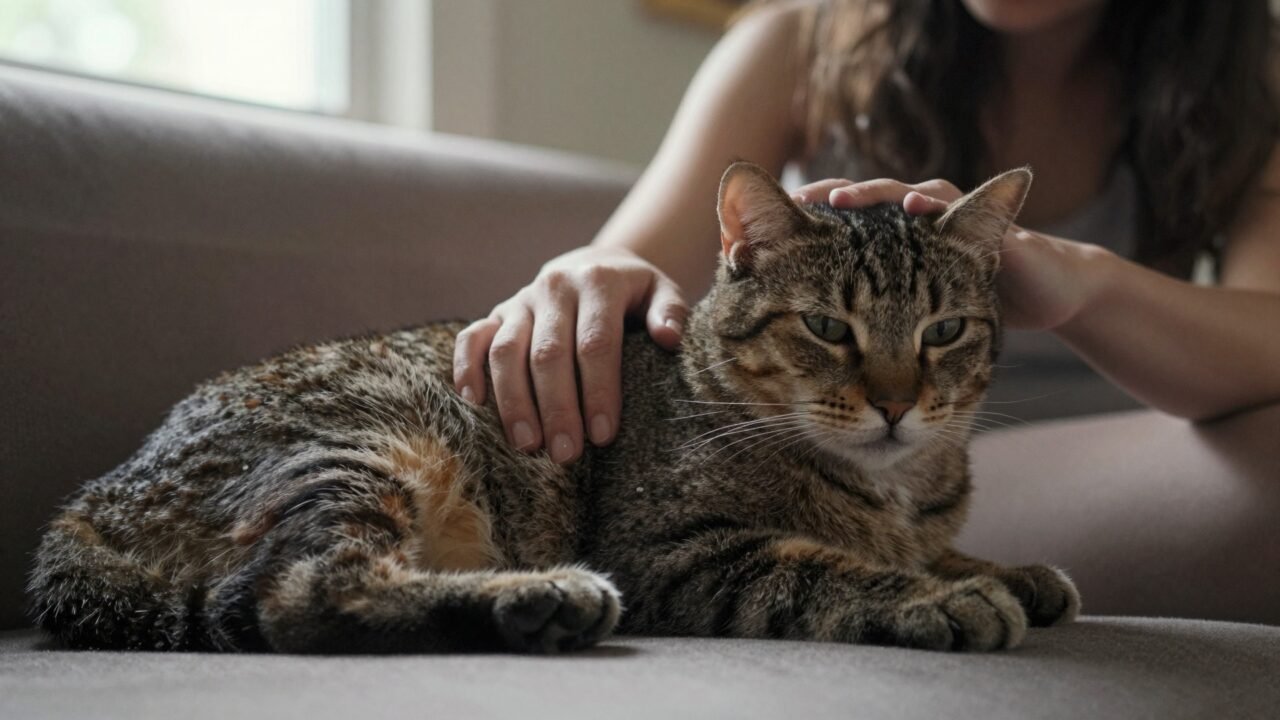
This isn't just a cute internet quote. Research into the human-feline bond has found that an owner's personality is closely linked to their cat's behavior and overall well-being. Much like the dynamic between parents and children, your way of being leaves a mark on the animal living under your roof.
An anxious owner often means a tenser cat. A calm, grounded owner usually fosters a more balanced pet. It's not magic: it comes down to daily cohabitation, routines, and 24/7 shared energy.
How you “pass on” your temperament without realizing it
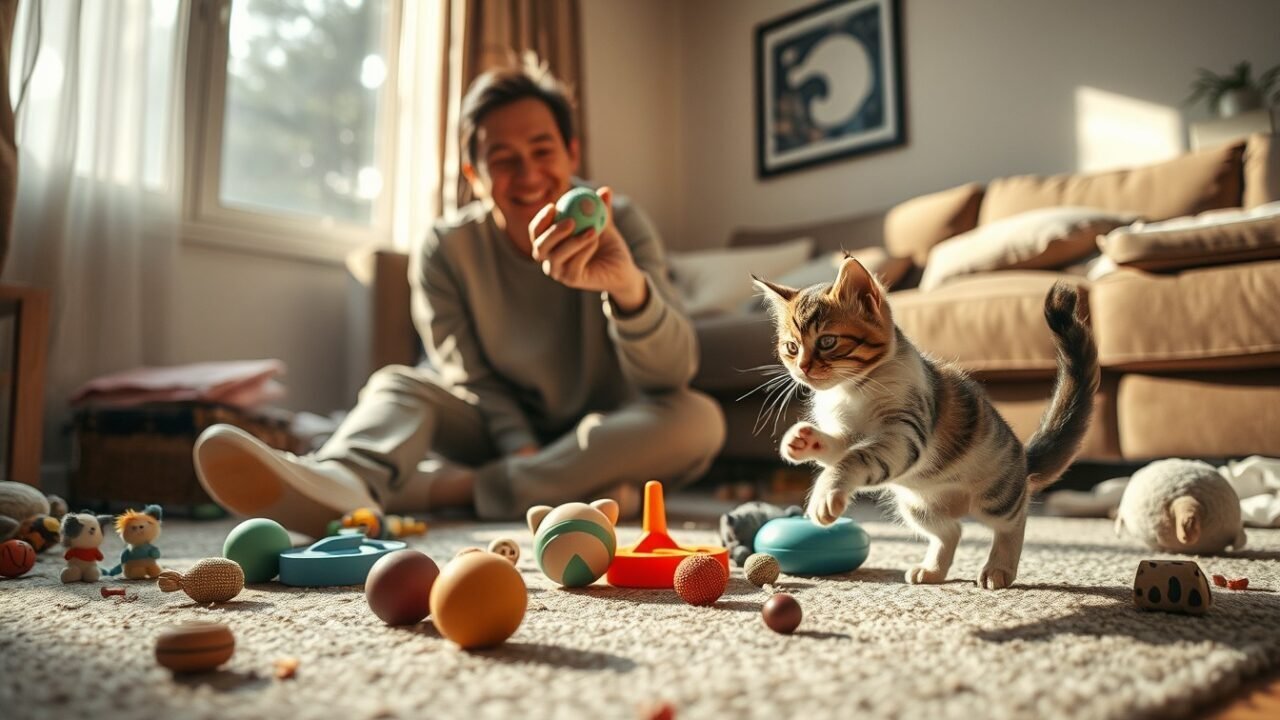
Here is what hardly anyone explains to you. Cats are expert readers of subtle cues. They absorb your tone of voice, your pace, your physical tension, and the predictability of your schedule.
MYTH: "Cats are totally independent; my mood doesn't affect them at all."
REALITY: cats pick up on your emotional state and adjust theirs accordingly. Your calm soothes them. Your chaos agitates them. They are tuned into you far more than you might think.
The reflection that’s most surprising
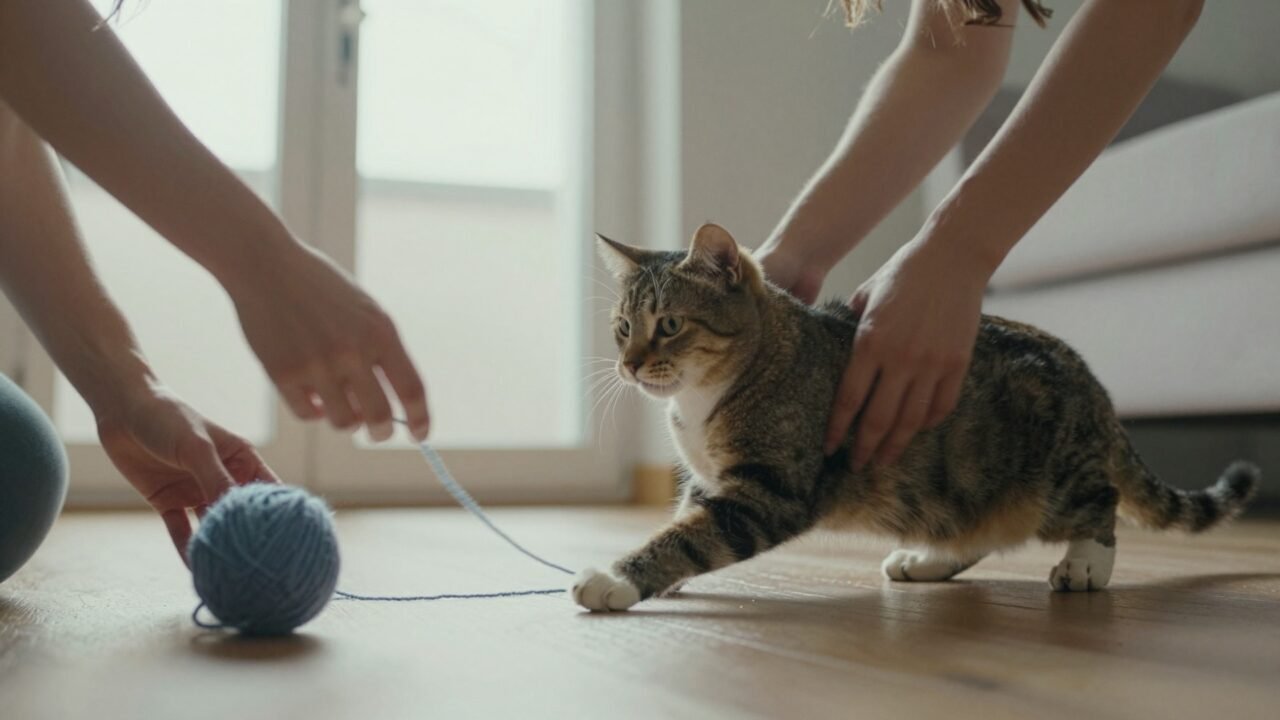
Perhaps the most striking finding is this: cats tend to mirror their owner's lifestyle. An active, engaging person typically has a more curious and playful cat. A sedentary and distant owner often ends up with a more apathetic or stress-prone cat.
Put differently: often, when someone complains about their cat's "difficult" temperament, the mirror is pointing in a direction they weren't expecting. Not to make you feel guilty, but to empower you—if you change, they change.

What to do with this information
The good news is that this mirror effect works in your favor. If you want a more confident and happy cat, start from the other end of the bond: stable routines, daily playtime, a calm tone of voice, and genuine presence. You don't need complicated techniques. You just need to be a predictable, tranquil environment for them.
Your cat didn't choose their personality in a vacuum. They built it alongside you, watching you every single day. And that means you have far more influence over their happiness than you ever realized.
And if you are fascinated by the science and genetics hidden behind cats, there is one case that breaks all the rules: why tortoiseshell cats are almost always female, and why a male is a 1-in-3,000 impossibility.
Frequently Asked Questions
Do cats actually share their owners' personalities?
Research suggests a clear link: an owner's personality is associated with a cat's behavior, stress levels, and overall well-being, much like the dynamic between parents and children.
How does my mood influence my cat?
Cats read your tone of voice, tension, and daily routines. A calm and predictable environment tends to yield a more relaxed cat, whereas a tense or chaotic atmosphere can spike their stress.
Can I improve my cat's temperament?
Yes. Stable routines, daily play sessions, a calm tone, and steady presence help your cat feel more secure and balanced. Meaningful change often starts with the owner.
🔍 Looking for something else?
If you want to read other articles similar to Does Your Cat Have Your Personality? What Science Says you can visit the category Behavior.
Leave a Reply
More cat breeds!