

It's the most adorable image: a kitten licking a little saucer of milk. And chances are it's giving them a tummy ache.
For decades cartoons and stories taught us that milk is the perfect treat for a cat. The reality, as usual, is less charming. Behind that scene is an important question — when do cats stop drinking milk? — and the answer should change what you put in their bowl. Let’s clear it up.
The only milk a cat needs (and when they stop)
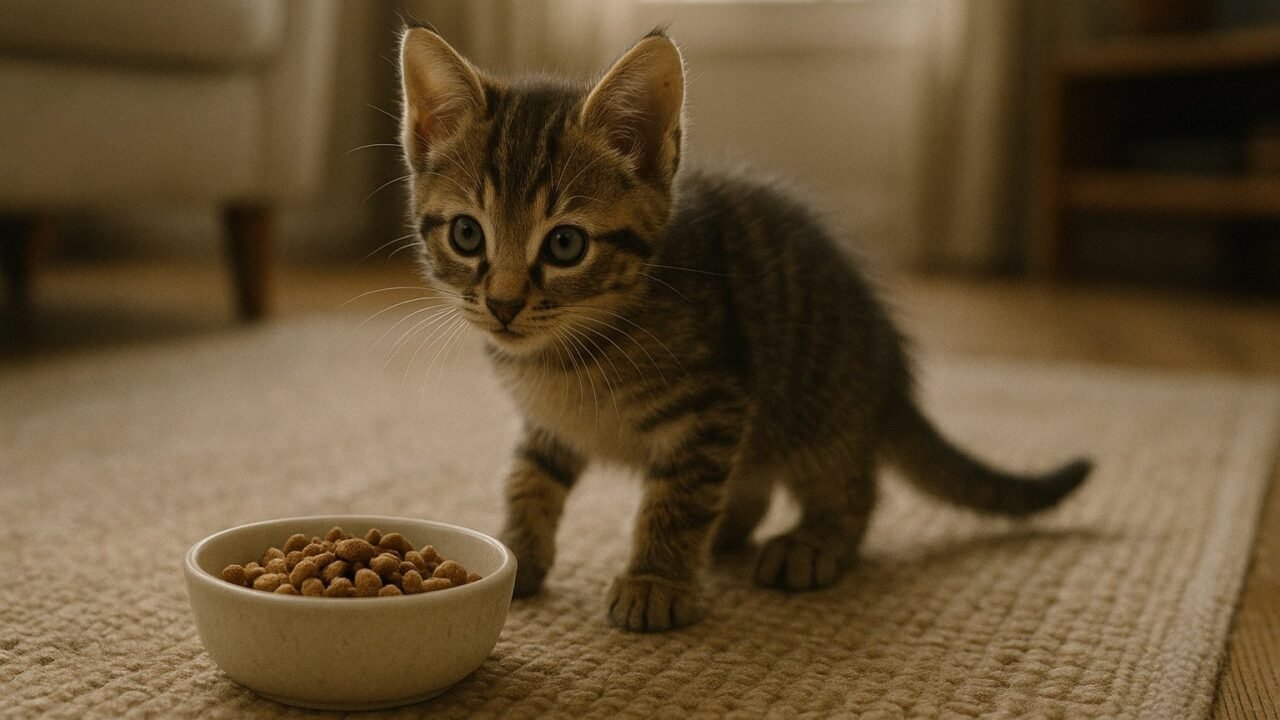
Newborn kittens rely entirely on their mother's milk, which provides antibodies and the nutrients they need to grow. Starting at roughly 4 weeks they begin sampling solid food, and by about 8 weeks they usually finish weaning: they stop depending on mother's milk and transition to regular cat food.
And here’s the key fact that changes everything: after that weaning period, a cat doesn’t need milk of any kind for the rest of its life. Not their mother's milk, and certainly not cow’s milk. What shifts inside their bodies right after weaning explains why that cute saucer is a bad idea.
The little-known truth: your cat is lactose intolerant
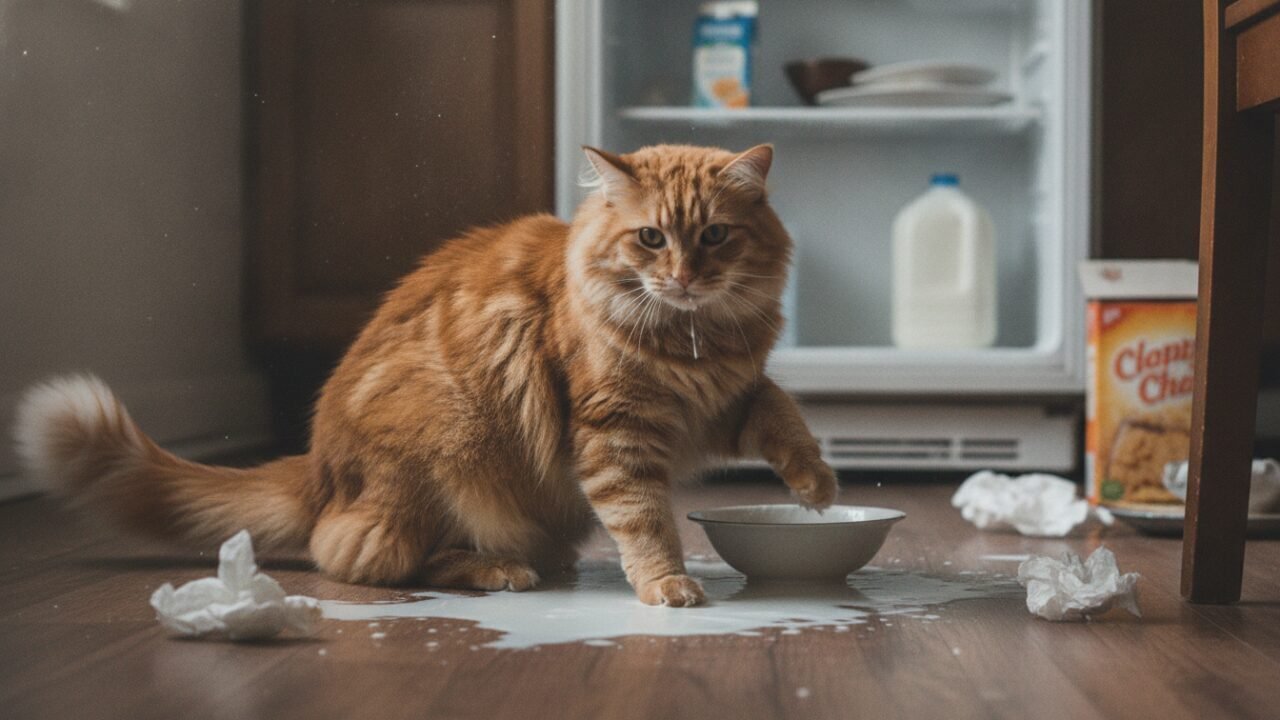
When a kitten is weaned, its body reduces production of lactase, the enzyme that digests milk sugar (lactose). In other words: most adult cats are lactose intolerant, much like many people.
So what happens if an adult cat drinks cow’s milk? That lactose they can’t digest ferments in the gut and causes diarrhea, gas and discomfort. The cat may happily lap it up—they like the fat—but a few hours later they’re paying the price. The cute scene can end with a messy trip to the litter box. That “treat” is really a small punishment for their stomach.
So, no more milk ever?
As a rule: cow’s milk, never. They don’t need it and it upsets them. If you occasionally want to offer a milky treat, there are safe lactose-free cat milks formulated for cats. But they aren’t necessary: what your cat truly needs to drink is fresh, clean water, available at all times.

One important exception: if you find an orphaned kitten that is not eating solid food yet, cow’s milk is not the answer—rather, they need kitten milk replacer (available from pet stores and vets). Giving cow’s milk to a young kitten can make it very sick. When in doubt, consult a veterinarian right away.
The most caring little “milk” you can give your cat is actually a bowl of fresh water. Less poetic, but they’ll thank you for it.
And since we’re on the topic of what should and shouldn’t be in the bowl, there’s another common feeding mistake with even more serious consequences: find out what really happens if your cat eats dog food. The answer isn’t "nothing."
Frequently asked questions about cats and milk
When do kittens stop drinking milk?
Kittens usually complete the weaning process around 8 weeks, when they leave behind mother’s milk and move on to solid food. They start trying solids at about 4 weeks. After weaning, a cat no longer needs milk of any kind.
Can an adult cat drink cow’s milk?
It’s not recommended. Most adult cats are lactose intolerant: they don’t digest lactose well and it can cause diarrhea, gas and stomach upset. Even if they like the taste, cow’s milk doesn’t agree with them.
What do I give an orphaned kitten without its mother?
Kitten milk replacer, never cow’s milk, which can make them very sick. It’s sold at pet stores and veterinary clinics. If you find an orphaned kitten, see a vet ASAP for guidance on feeding and schedule.
Is there any milk my cat can have?
Yes: there are lactose-free cat milks made for cats that you can offer as an occasional treat. Still, they aren’t necessary: with a balanced diet and fresh water available, your cat has everything it needs.
🔍 Looking for something else?
If you want to read other articles similar to When Do Cats Stop Drinking Milk? What You should Know you can visit the category Nutrition.
Leave a Reply
More cat breeds!