

The idea just pops into your head. You're at the beach, you see miles of fine, free sand, and you think about the bag you buy every couple of weeks. One bucket, two buckets, and the month is sorted.
It makes total sense. And it is one of those ideas that turns out expensive precisely because it looks free.
What’s hiding inside the bucket
Beach sand is not an inert material. It is an ecosystem.
The first problem is biological. Sand in areas where people walk is a common destination for dog, cat, and bird feces. Intestinal parasites—such as hookworms, toxocara, and others—survive there, and their eggs can last for months in the sand. And there is one that deserves special mention: Toxoplasma gondii. Its oocysts resist in the soil for months, which is why the classic medical recommendation for pregnant women includes avoiding handling soil or litter boxes without gloves. You are bringing that material right into your home litter box, which is precisely where your cat digs and then licks its paws.
The second problem is chemical. Coastal sand carries fuel residues, microplastics, broken glass, and everything else washed ashore by the tide. You don't see it with the naked eye; your cat steps on it and then ingests it while grooming.
The practical issue: it doesn’t work
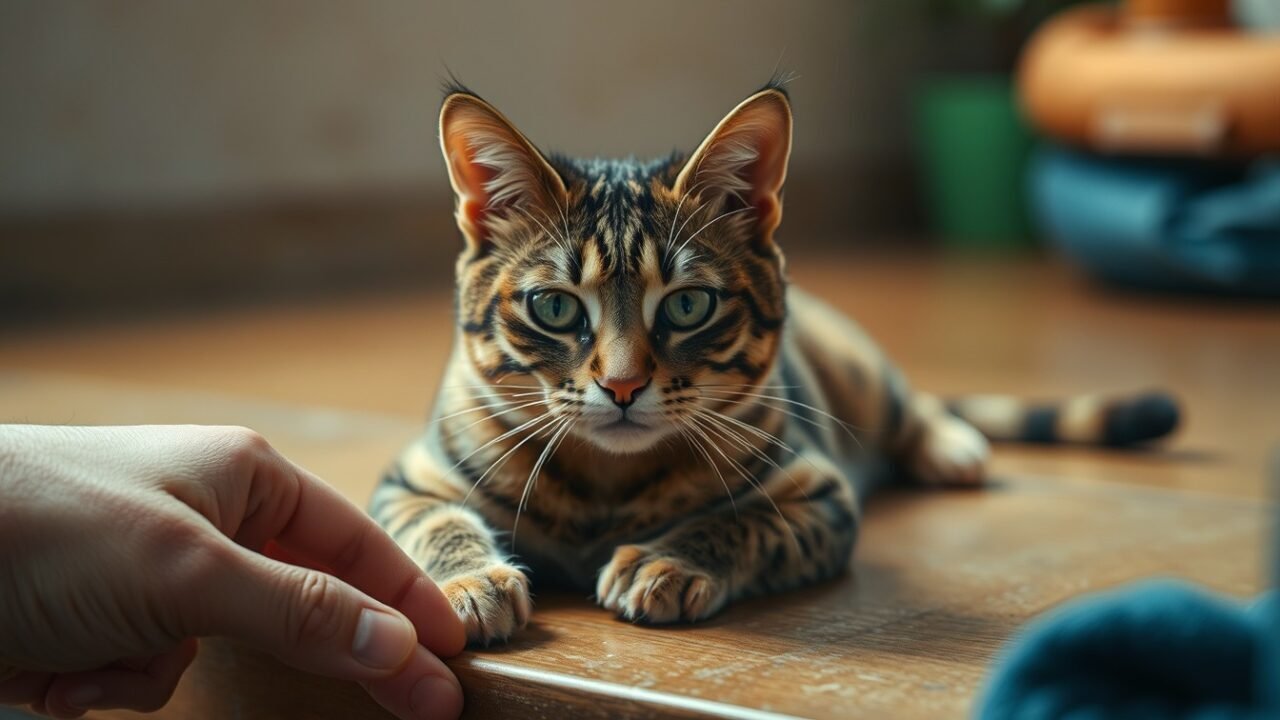
Even if it arrived sterilized, it would still make a poor litter material. And this is what almost no one anticipates:

- It doesn't absorb. Beach silica sand fails to hold liquids: it lets moisture flow right through to pool at the bottom. The box turns into a muddy mess that smells significantly worse, not better.
- It doesn't neutralize odors. Commercial litters contain bentonite or specialized absorbent materials that trap ammonia. Beach sand does none of that.
- It doesn't clump. You can't scoop out a solid block: you have to empty the entire tray every single time, meaning any savings instantly evaporate into extra labor.
- It weighs a ton. When wet, it is three or four times heavier than conventional litter. Your back will feel it long before your wallet does.
- It tracks all over the house. The fine grains stick to your cat's paws and travel everywhere. You will find beach sand in your bed.
And there is a legal detail
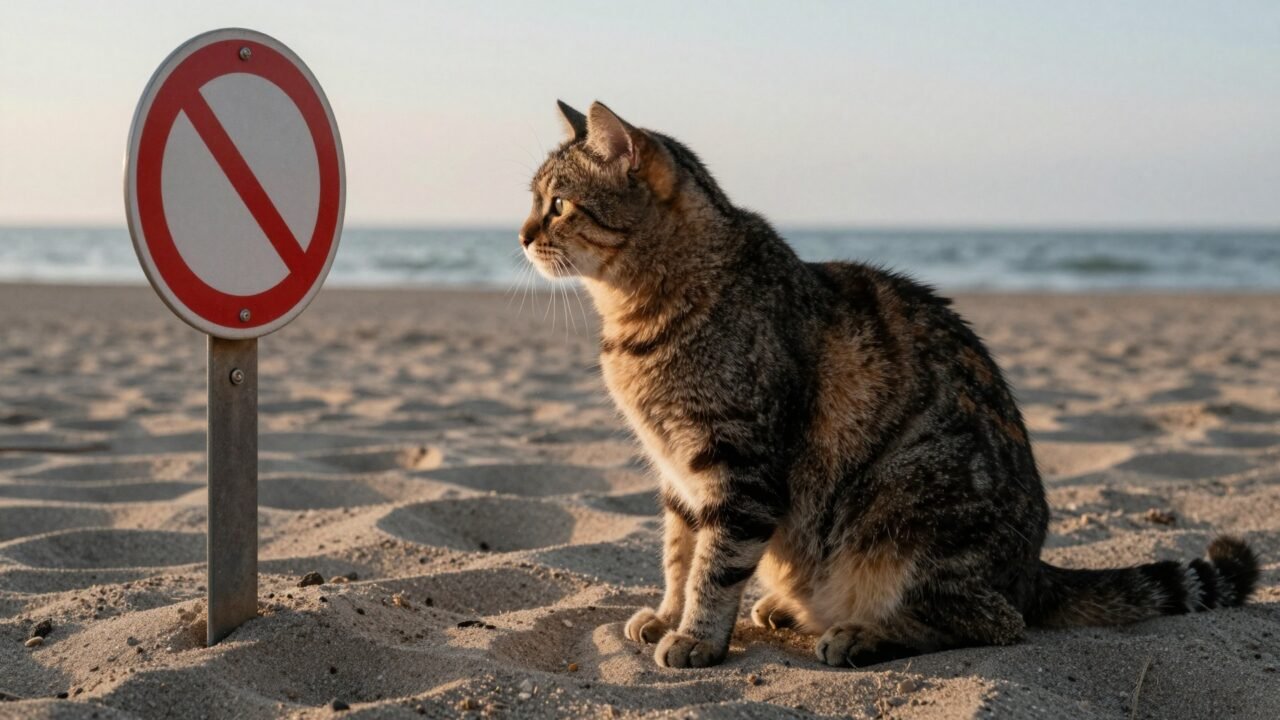
In many coastal countries and regions, taking sand from the beach is illegal and can carry hefty fines. Sand is a crucial part of dune ecosystems that protect coastlines from erosion, and local laws usually reflect this. Before picking up a bucket, check local ordinances.
If you are going to do it anyway
No one is going to police you. But if you decide to use it, minimize the risks as much as possible:
- Sift it to remove seashells, glass, and sharp debris.
- Rinse it with plenty of water until it runs clean to wash away salt and organic matter.
- Treat it with heat. Spreading it in a thin layer and baking it at a high temperature for a long time reduces the biological load. Simply drying it in the sun is not enough: Toxoplasma oocysts are far more resilient than most people realize.
- Never use it in homes with pregnant women, babies, or immunocompromised individuals. In these cases, the risk shifts from the cat directly to humans.
Once you finish reading that list, the question answers itself: between the sifting, washing, baking, and the final result—sand that neither absorbs nor clumps—that bag of store-bought litter doesn't look so expensive after all.
Cheap alternatives that actually work
If your goal is to spend less, there are much better paths than the beach:

- Bulk clumping clay litter. The price per pound drops significantly in 30- or 40-pound bags, it actually clumps, and you end up using less overall.
- Natural and plant-based litters (compressed wood, husks, recycled paper). Lighter, biodegradable, and offering strong odor control.
- The proper depth technique. Maintaining a 2 to 3-inch layer helps clumping litter work at peak efficiency so you utilize all of it. Thin layers waste litter because liquid hits the plastic tray and sticks.
- Scooping daily. It sounds obvious, but it's what extends a litter's lifespan the most: what ruins a box is what gets left behind, not what gets used.
Frequently Asked Questions
What about masonry or construction sand?
No. It's too heavy, doesn't clump, and typically contains fine silica dust that irritates a cat's respiratory tract—as well as your own when scooping.
My stray cat used dirt outdoors with no issues. Why does it matter now?
-107}}An open territory is vastly different from a closed container inside a home. Outdoors, the animal moves around and waste is naturally dispersed; in a litter box, everything concentrates in one single spot where your cat digs daily.
How do I switch litters without my cat rejecting it?
Gradually. Start by mixing about one-quarter of the new litter with the old kind, and slowly increase the proportion over one to two weeks. An abrupt change in texture is one of the most common reasons cats start eliminating outside the box.
In short
Free, yes. A good idea, no: it doesn't absorb, doesn't control odor, weighs three times as much, can be illegal to collect, and harbors parasites that survive for months. If you are worried about expenses, true savings come from buying in bulk and proper daily maintenance, not from a beach bucket.
And while we are talking about the litter box, there is a related question almost everyone gets wrong that directly affects whether your cat uses or avoids it: how often you should change your cat's litter—cleaning and total replacement are not the same thing.
Informational content. If you notice any digestive signs or changes in your cat's habits, consult a veterinarian for a proper evaluation.
🔍 Looking for something else?
If you want to read other articles similar to Beach Sand for Your Cat: Free, Tempting, and a Bad Idea (What’s Really Inside It) you can visit the category Health & Care.
Leave a Reply
More cat breeds!