

Your cat meows at you, and you reply with "what do you want?" as if you actually expect an answer. Well, it turns out that answer does exist, and it lies in the exact sound they make. Because here is the fact that changes everything: adult cats barely meow at each other. They invented the meow just to talk to you. It is a language your cat created specifically for their human. Let's translate it.
A language they invented just for us
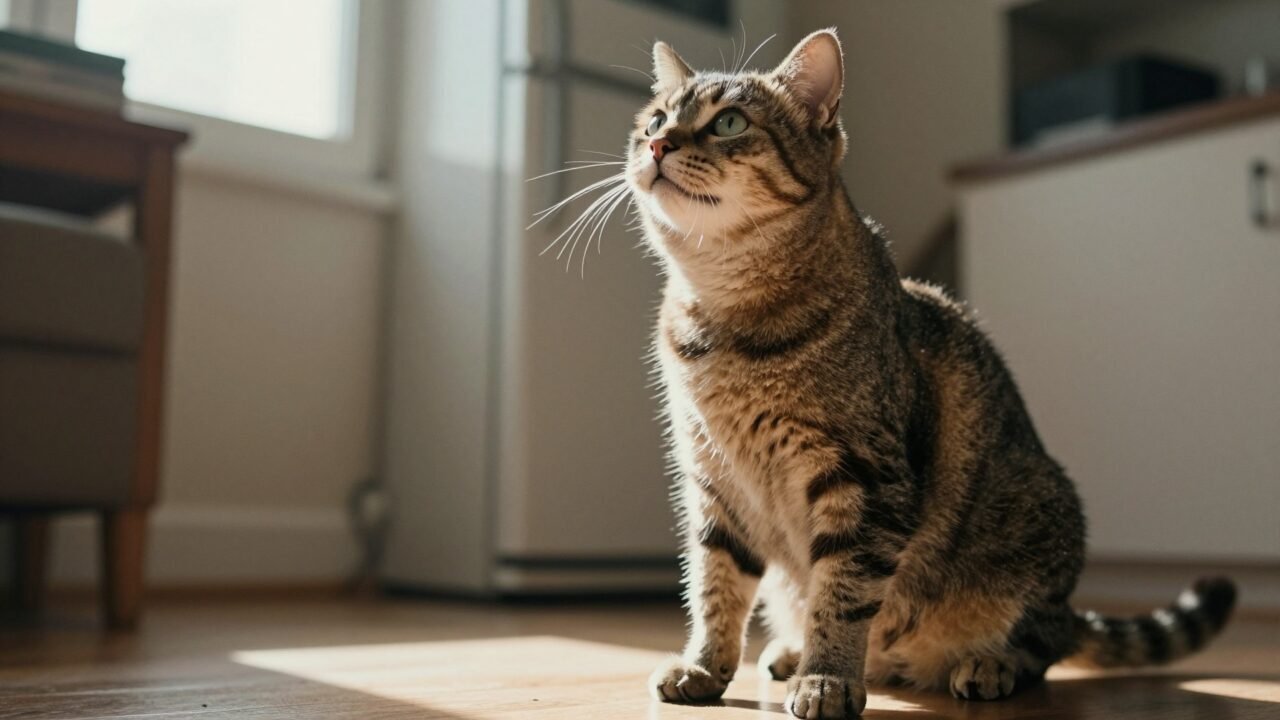
This surprises everyone. Adult cats communicate with each other through scents, postures, and body language; they reserve meowing almost exclusively for humans. Your cat learned that we don't read their body language, but we do respond to sounds, so they developed a repertoire tailored just for you.
In other words: every cat trains their person with slightly different meows. The "language" yours speaks is practically unique between the two of you.
The quick guide to translating your cat
While every cat has their nuances, these are the patterns that repeat:
Short, high-pitched meow: a simple "hello." They are greeting you when they see you. Several meows in a row: excitement, joy of a reunion (you've come home). Long, low-pitched meow: a clear demand — food, attention, a closed door they want opened. Sudden, high-pitched meow: pain or a scare (you stepped on their tail). Low, raspy meow, almost a moan: annoyance or a complaint.
Sounds that are NOT meows (and are pure gold)
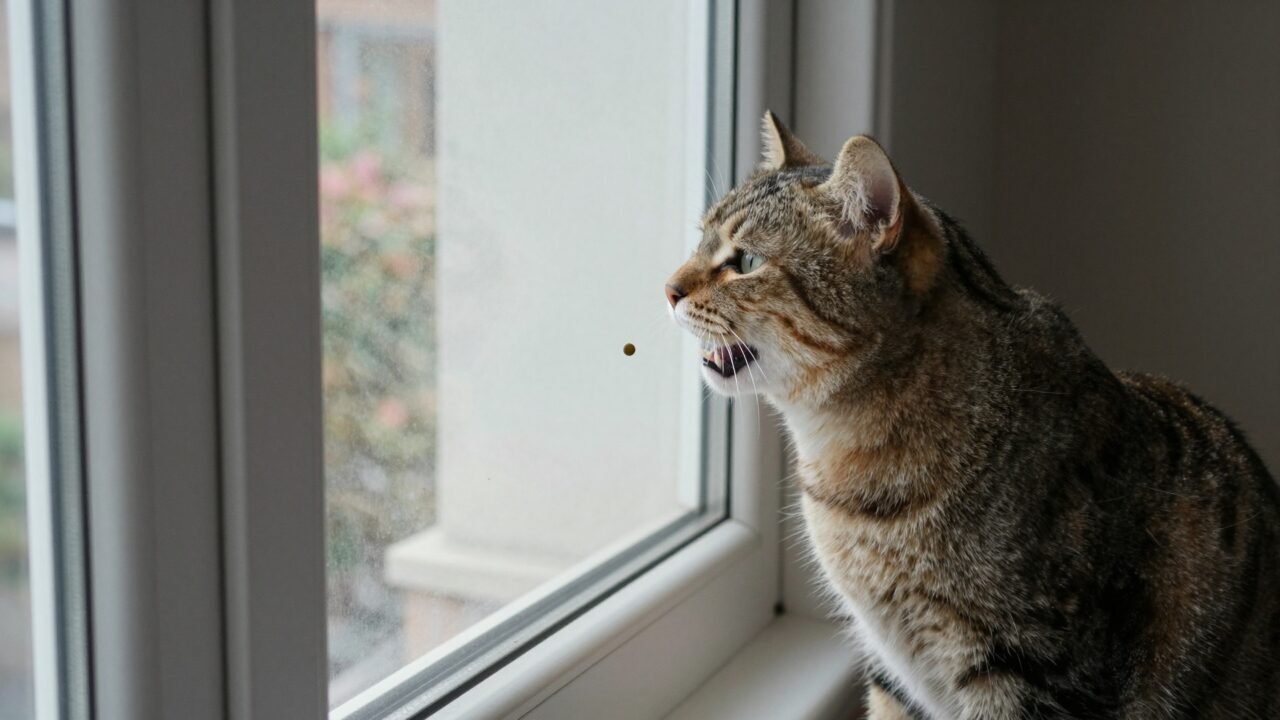
Here is what almost nobody tells apart. Your cat makes other sounds that say just as much, if not more:
Purring usually means pleasure, but they also use it to self-soothe when stressed or sick — pay attention to the context. Tooth chattering (that "ek-ek-ek" when watching a bird) is pure frustration from a hunter. And a hiss or growl needs no mystery: it's a "stop right now" that you should respect immediately.

How to better understand yours
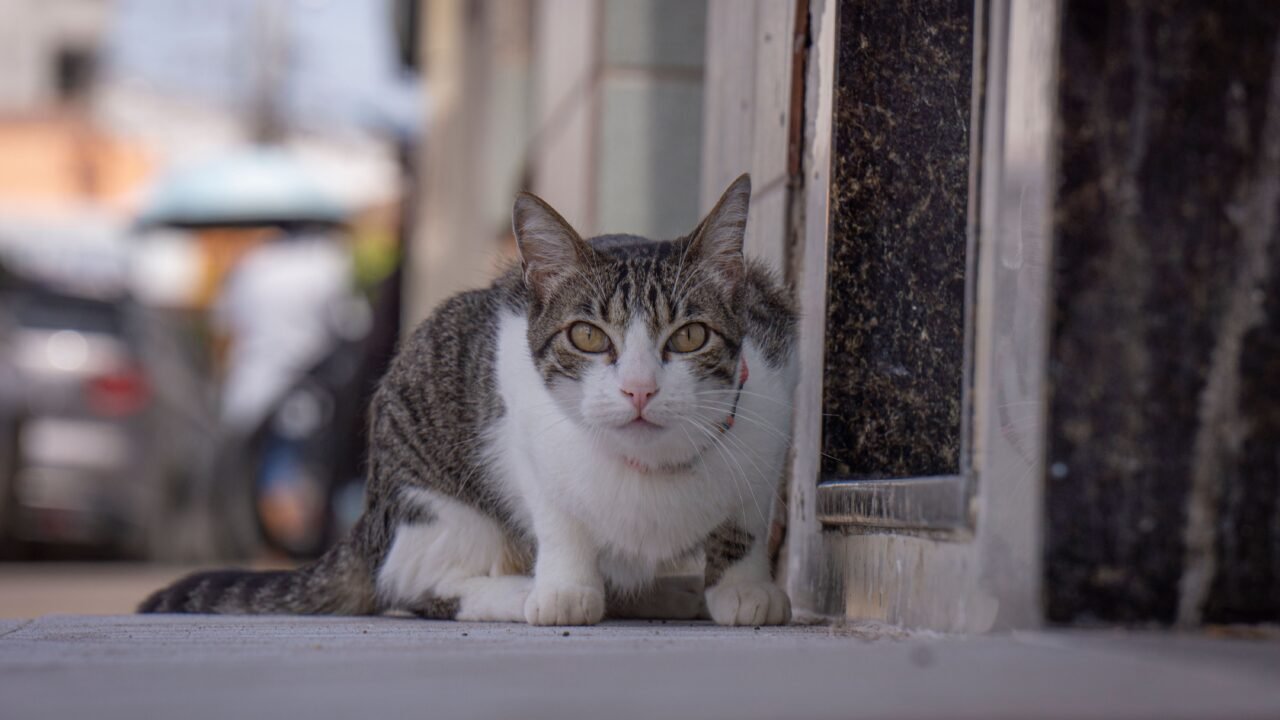
The key isn't memorizing a chart, it's observing the context: what they are doing, where they are looking, what time it is. The same meow at 7 in the morning next to an empty bowl and at midnight by the door mean different things. Over time, you learn their particular accent.
And a red flag you shouldn't ignore: if your cat suddenly changes how they vocalize — meowing much more, stopping altogether, or sounding different — that isn't just chatting, it's a warning. It is often the very first sign of a health issue. That's your cue for a vet visit.
Your cat has spent their whole life trying to speak your language. The least you can do is learn a bit of theirs. And if you want to keep decoding them, check out signs your cat is sick that almost everyone misses until it's too late.
Frequently Asked Questions
What do different cat meows mean?
Generally: short and high-pitched are greetings; repeated ones mean excitement; long and low-pitched are a demand (food, attention); sharp and sudden mean pain or a scare; and low and raspy mean annoyance. They should always be interpreted based on context.
Why does my cat meow so much at me and not at other cats?
Because meowing is a language cats developed mainly to communicate with humans. Among themselves they use scents and body language; they use sounds with you because they learned you respond to it.
Should I worry if my cat is meowing more than usual?
A sudden change in how they vocalize — much more, much less, or a different sound — can be a sign of pain, stress, or illness. If the change persists, it's best to consult a veterinarian.
🔍 Looking for something else?
If you want to read other articles similar to What Your Cat's Meows Really Mean: The Language They Invented Just For You you can visit the category Behavior.
Leave a Reply
More cat breeds!