

If you made it this far, a part of you already senses it. And searching for this hurts. I am not going to give you easy headlines or false hopes: I am going to accompany you with the truth, with calm, and with respect. Because recognizing the signs in time is often the last great act of love you can give your cat.
The Signs the Body Begins to Show

When a cat is nearing the end, their body usually speaks before anything else. Not all signs appear, nor in the same order, but these are the most frequent:
Stopping eating and drinking. They lose interest in their favorite food and water. This is one of the clearest signs.
Hiding and isolating themselves. They seek out secluded, dark, and quiet corners. It is a deep instinct: the cat withdraws.
Changes in breathing and temperature. Breathing may become slow, labored, or irregular, and the paws and ears feel cold.
Loss of mobility and control. They struggle to stand up, walk, or reach their litter box. Their energy slowly fades away.

The Hardest Question: When?
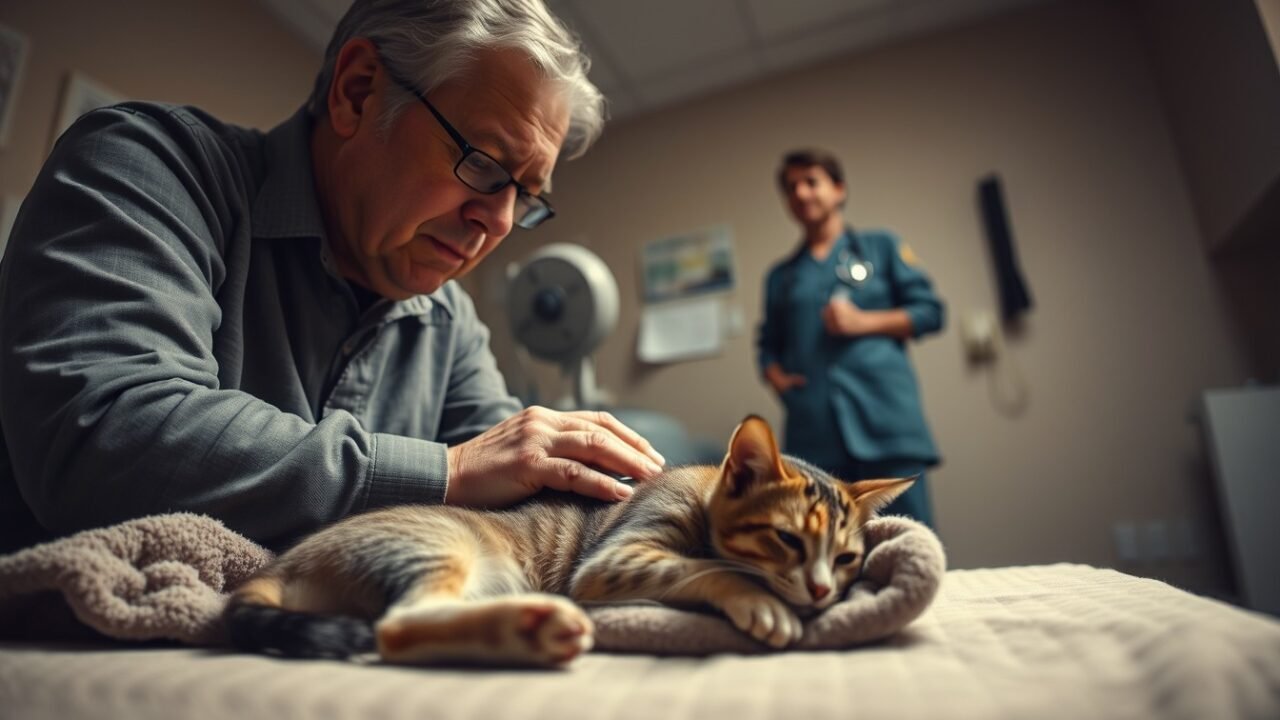
There are no comfortable answers here, and anyone who tells you otherwise is lying. The key is not just time, it is quality of life: do they have more good days than bad ones? Can they rest without pain? Do they still enjoy anything at all?
No one should carry this decision alone. Your veterinarian is the person who can look at your cat with knowledge and care, and help you understand if it is time to accompany them, or to let go to prevent suffering. There is no shame in either choice when they stem from love.
How to Support Them Through This Stage
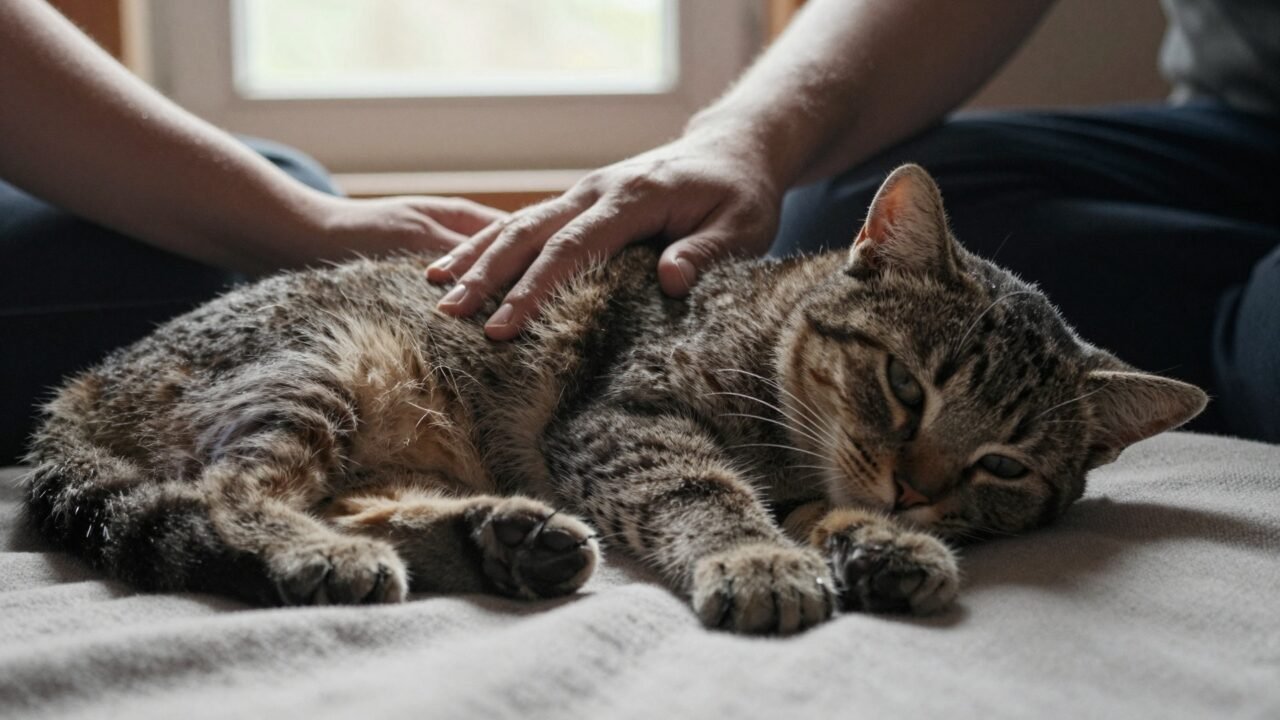
If their time is near, your presence is everything. They do not need grand gestures; they need peace:
Offer them a
warm, soft, and quiet spot, away from noise. Keep their water and litter box nearby so they do not have to exert themselves. Speak to them softly, pet them if it calms them, and respect their space if they prefer to be alone. Sometimes, simply staying close in silence is the greatest comfort.
Remember: you are not failing them. You are caring for them until the very end, and that is the hardest and most noble thing there is.

You Are Not Alone in This
The bond with a cat is not small. It is years of silent companionship, shared routines, and presence. That it hurts so much only proves how deeply you loved them, and how much they meant to you.
Give yourself permission to feel. Grief for an animal is real and deserves respect. And when you are ready—only when you are—remembering the good times will be a way to honor what you shared together. In the meantime, if you need to better understand your companion, here is something beautiful: how much of you lived inside them, according to the science of the bond between cats and their owners.
General information for educational purposes. We are not veterinarians and this text does not replace professional evaluation: only your veterinarian can assess your cat's real condition, manage their pain, and guide you in making decisions. If unmanageable pain, breathing difficulties, or a sudden deterioration appear, seek emergency veterinary care.
Frequently Asked Questions
What are the signs that a cat is near the end?
The most common ones are: stopping eating and drinking, hiding and isolating, slow or labored breathing, cold body parts (paws and ears), loss of mobility, and trouble reaching the litter box. They do not always all appear at once.
How do I know if it is time to let my cat go?
The main guide is their quality of life: if they have more bad days than good ones, uncontrolled pain, or have stopped enjoying things. Your veterinarian is best equipped to help you make that decision with knowledge and compassion.
How can I make my final days with them more peaceful?
Offer them a warm, soft, and quiet spot with water and a litter box nearby. Speak to them gently, accompany them calmly, and respect their space. Your calm presence is the greatest comfort you can offer.
🔍 Looking for something else?
If you want to read other articles similar to How to Know When Your Cat Is Near the End: Signs, Truth, and Calm you can visit the category Health & Care.
Leave a Reply
More cat breeds!