

You would swear your cat has a distinct character: they are a diva, a scaredy-cat, an affectionate pest, or a tiny tyrant. You aren't making it up. Science has actually given it a name.
For years, people said that "all cats are the same, aloof and mysterious." But when researchers studied hundreds of them, they found something fascinating: every cat has a personality just as measurable as a human's, and it fits into five major traits. They called them the "Feline Five." You'll recognize yours in at least one of them.
The five traits that define your cat
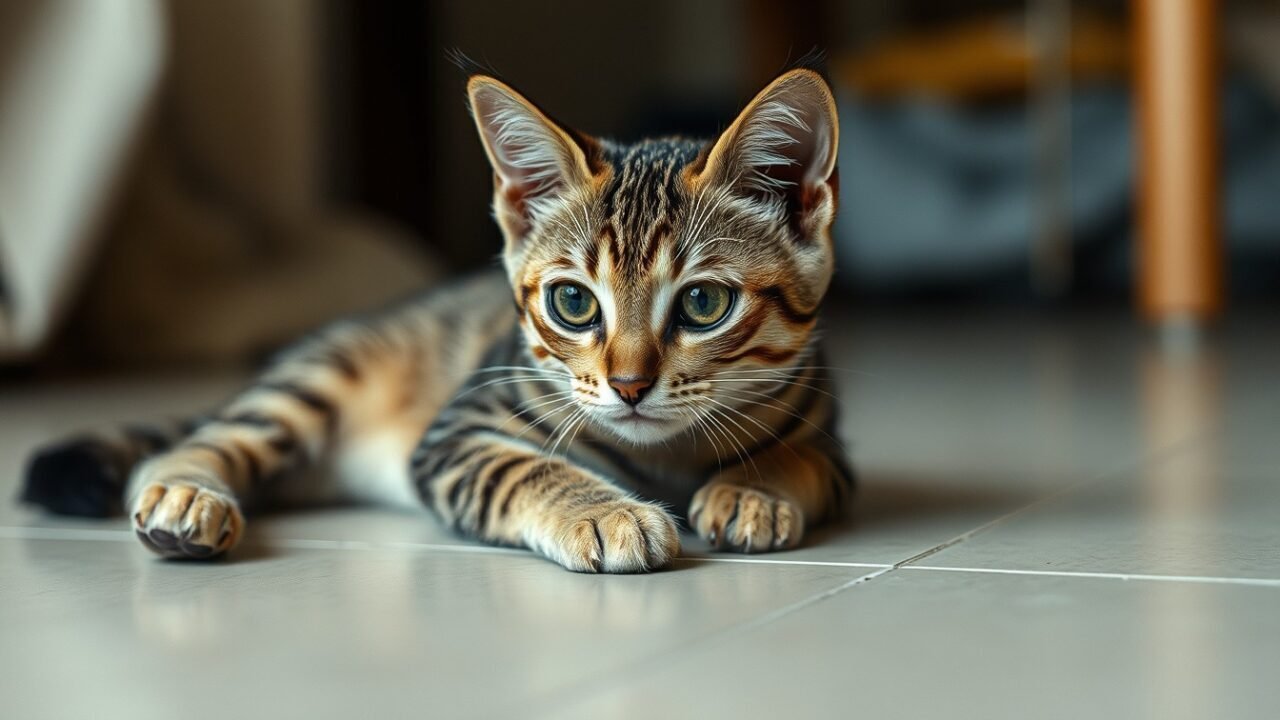
1. Neuroticism. This is the shy cat, the one who hides when visitors arrive, the one who startles at the slightest noise. High neuroticism isn't about being "weird"; it usually stems from genetics or poor socialization as a kitten, meaning they need more hiding spots and calm surroundings.
I have a cat who behaves this way; she hides behind the sofa whenever visitors show up. I've noticed that after a while, if I introduce her slowly to the environment, she starts peeking out and exploring a bit.
2. Extraversion. The curious one, the smart one, the one who investigates every box and every corner. Highly extraverted cats get bored quickly and need stimulation: play, height, things to explore. If you don't provide it, they'll invent it themselves (usually by breaking something). It reminds me of my cousin, who has a mischievous cat that's always sneaking out to the balcony to check everything out.
Having an extraverted cat is quite a challenge, but also a gift. Imagine coming home every day to find them waiting by the door, tail held high and eager to play. It truly makes them special.
3. Dominance. The boss. They mark territory, decide who passes, and hog the best spots, especially if they live with other cats. It's not out of malice: it's pure feline hierarchy. They are the king of the house, much like a friend's cat who won't let anyone sit on their couch without permission. It can sometimes be funny, but remember this is part of their personality.

Dominant cats use body language extensively to show their authority. They sit with confidence, and if another cat is nearby, they might give a look that implies, "This is my territory." It's truly fascinating.
4. Impulsiveness. The unpredictable one, given to "the zoomies" at 3 a.m. High impulsiveness sometimes reflects stress or an environment that doesn't give an outlet for their energy. This is the trait that has probably made me lose my cool on more than one occasion.
I've had sleepless nights simply because my cat decided it was time to sprint at full speed across the apartment, chasing anything that moved. It's incredible how those bursts of energy can be both entertaining and exhausting.
5. Agreeableness. The affectionate one, the lap cat who gets along with everyone. It's the trait most people want... and the one that depends most on something you might not expect. That brings us to the plot twist of this story.
The secret: your cat isn’t born “entirely this way”
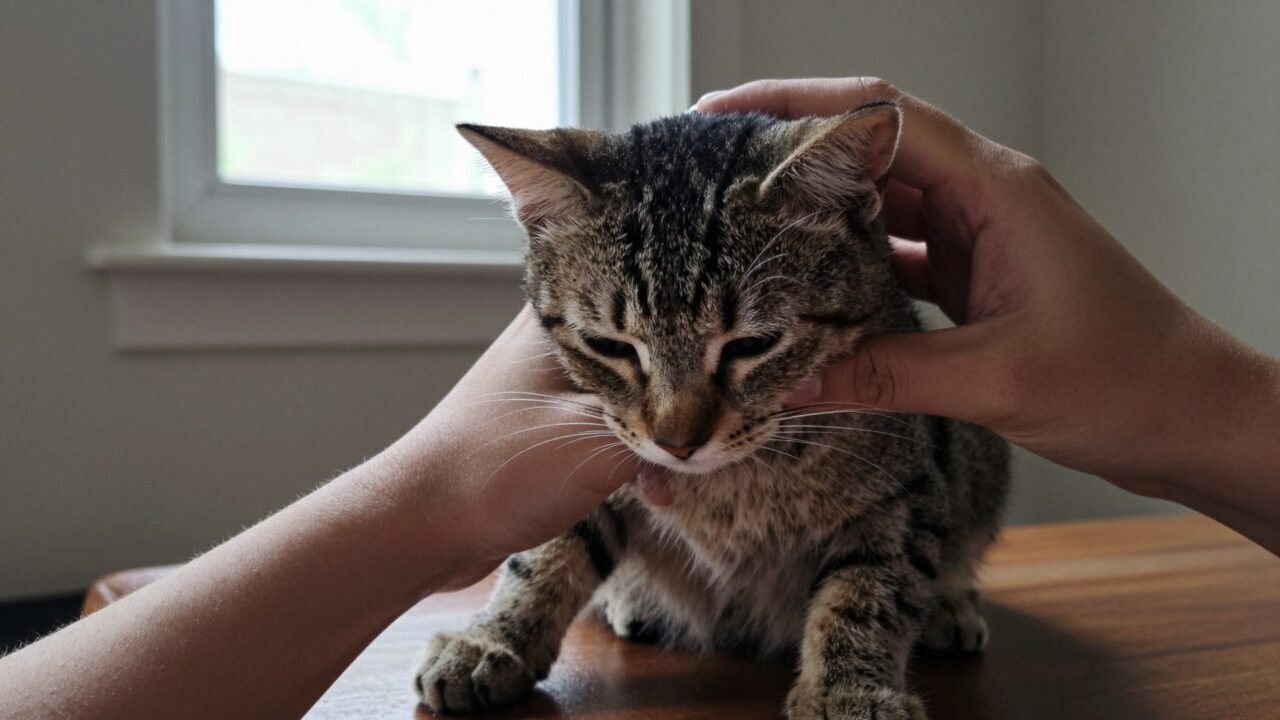
Here is what almost no one tells you. A cat's personality is not determined by its breed, no matter how often people say "Siamese cats are talkative" or "Persians are calm." What truly shapes it are three things: genetics, the mother's character, and above all, what they experienced between 2 and 7 weeks of age, their critical socialization window.
That's why a kitten that was petted and calmly exposed to people and sounds during those weeks almost always grows up to be a sociable adult. And that's why many "aloof" cats aren't bad cats: they're just cats that no one properly supported when they were little. The good news is that with patience and a safe environment, even a nervous cat can learn to trust. Personality isn't a life sentence: it's a starting point.

Your cat isn't "aloof" or "weird." They have a specific personality, and a large part of it was written during their first weeks of life.
And here is a question that might make you a bit uncomfortable: if the environment shapes a cat so much... how much of your own character has rubbed off on theirs? The answer has scientific backing and is surprising: find out to what extent cats inherit their owners' personalities.
When personalities mix: is my cat like me?
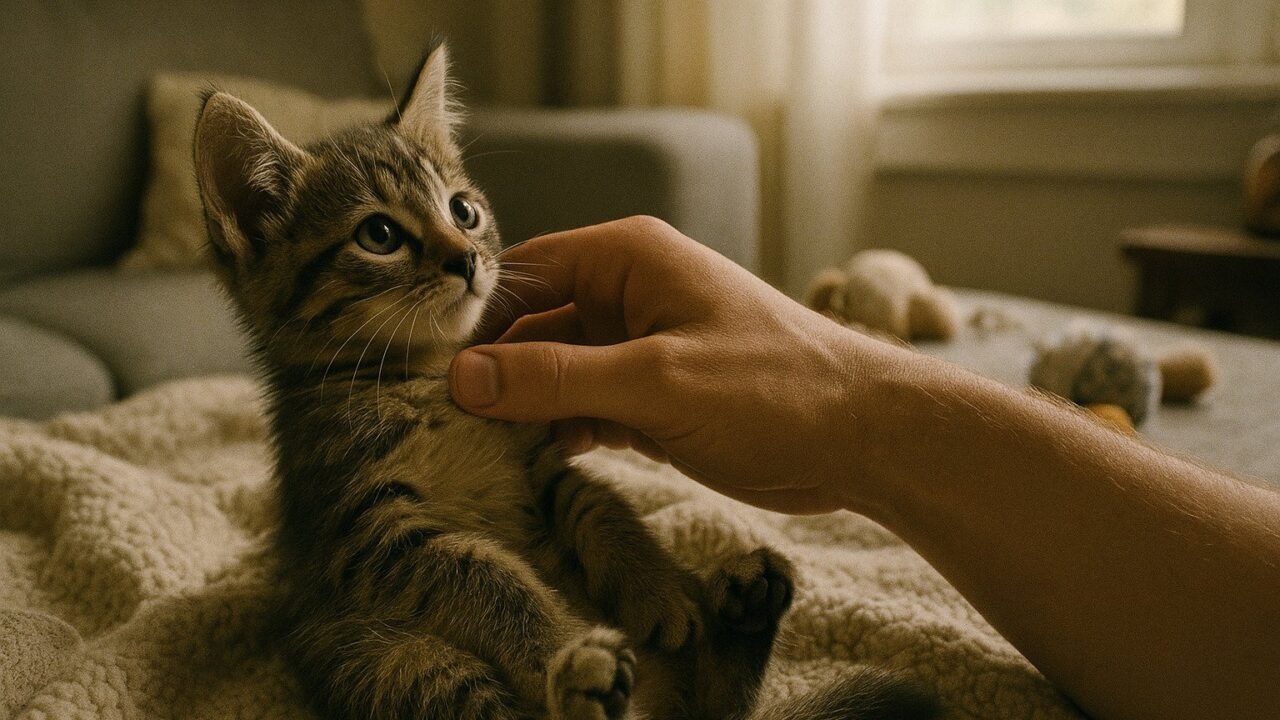
This is where the story gets really interesting. It turns out cats aren't just reflections of their environment; they also absorb some of our traits. You may have noticed your cat displaying behaviors that are direct copies of your own habits. Studies suggest a curious parallel: the more time you spend with your cat, the more behaviors and emotions you share. This is because their ability to read our body language and emotions is remarkable.
For example, if you're the type to lounge around bored at home all day, your cat might do the same, which can lead them to develop a less active personality. I've seen cats living with very lively owners end up being bolder, more curious, and more extraverted. It's fascinating to see how these animals react to our vibes and adapt their personalities to what we project.
Frequently asked questions about cat personality
Do cats have their own personalities?
Yes, and it's measurable. Studies outline five main traits (the "Feline Five"): neuroticism, extraversion, dominance, impulsiveness, and agreeableness. Every cat is a unique combination of these traits, just like humans have personality traits.
Does breed determine a cat's character?
Less than people think. Individual genetics, the mother's temperament, and early socialization (between 2 and 7 weeks of age) have a much greater influence. Cats within the same breed can be very different from one another.
Can you change an aloof cat's character?
Shape it, yes; force it, no. With patience, routine, and a safe environment (hiding spots, calm, positive reinforcement), a nervous cat can learn to trust and relax. Their core essence won't change, but they can live a much more peaceful life.
Why does my cat get the "zoomies"?
Those sudden bursts of energy are normal, especially in cats that are impulsive or have pent-up energy. They usually indicate a need for more play and stimulation during the day. Interactive play sessions using toys help channel that energy.
🔍 Looking for something else?
If you want to read other articles similar to What is a cat's personality? Science has found five traits you can visit the category Behavior.
Leave a Reply
More cat breeds!