

You touch your cat's nose and it's cold and damp, like a wet gummy candy. And somewhere along the way, you heard that means they're healthy.
Part truth, part myth. And the part almost nobody knows isn't about health: it's that that nose is your cat's most sophisticated instrument, and it also carries a print that belongs to them alone.
Why Your Cat’s Nose Is Wet
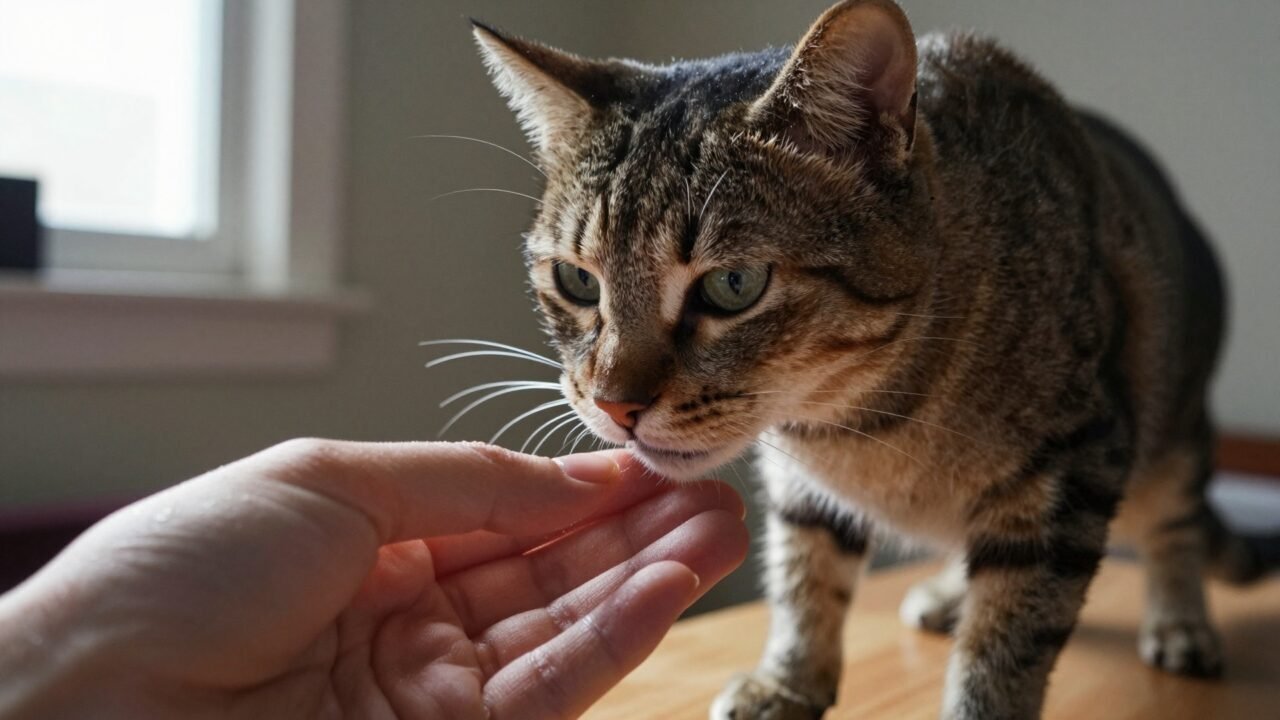
It's not water or drool. It's a combination of glandular secretions, a bit of tear drainage, and constant licking during grooming. Together, these elements keep the surface slightly moist almost all day long.
And it serves a very specific purpose: a damp surface traps scent molecules much better than a dry one. The moisture holds them long enough for the receptors to analyze them. It's the difference between trying to pick up dust with a dry hand versus a wet finger.
What’s Behind That Nose
Your cat has around 200 million olfactory receptors. You have about five million. It's not just that they smell a bit better: they live in a dimension of information that is entirely closed off to you.
And there's a detail that catches many people off guard. Dogs have even more receptors—around 300 million—but cats are notably better at distinguishing between similar scents. They don't win on raw power; they win on resolution. Where a dog detects "food," a cat distinguishes today's food from yesterday's.
A newborn kitten, blind and deaf, finds its mother using just this. Smell is their first working sense, kicking in long before they open their eyes.

The Second Nose Hidden in the Roof of Their Mouth
Here is the part almost nobody knows. Your cat doesn't have one olfactory system. They have two.
On the roof of their mouth, right behind their incisors, sits the vomeronasal organ, also known as Jacobson's organ. It's an independent chemical analyzer specialized in detecting pheromones: the chemical signals cats use to communicate that, technically, have no smell at all.
Have you ever caught your cat sniffing your shoe, freezing, and making that bizarre face with their mouth slightly open and upper lip curled back, as if something disgusted them? They aren't disgusted. They're using their second organ.
This expression has a name: the flehmen response, from the German word flehmen, meaning "to curl the upper lip." By opening their mouth like this, they channel molecules directly into Jacobson's organ ducts to analyze them with a level of detail the nose alone cannot reach. When they do this, they aren't just smelling. They're reading a message.
Their Nose Is As Unique As Your Fingerprint
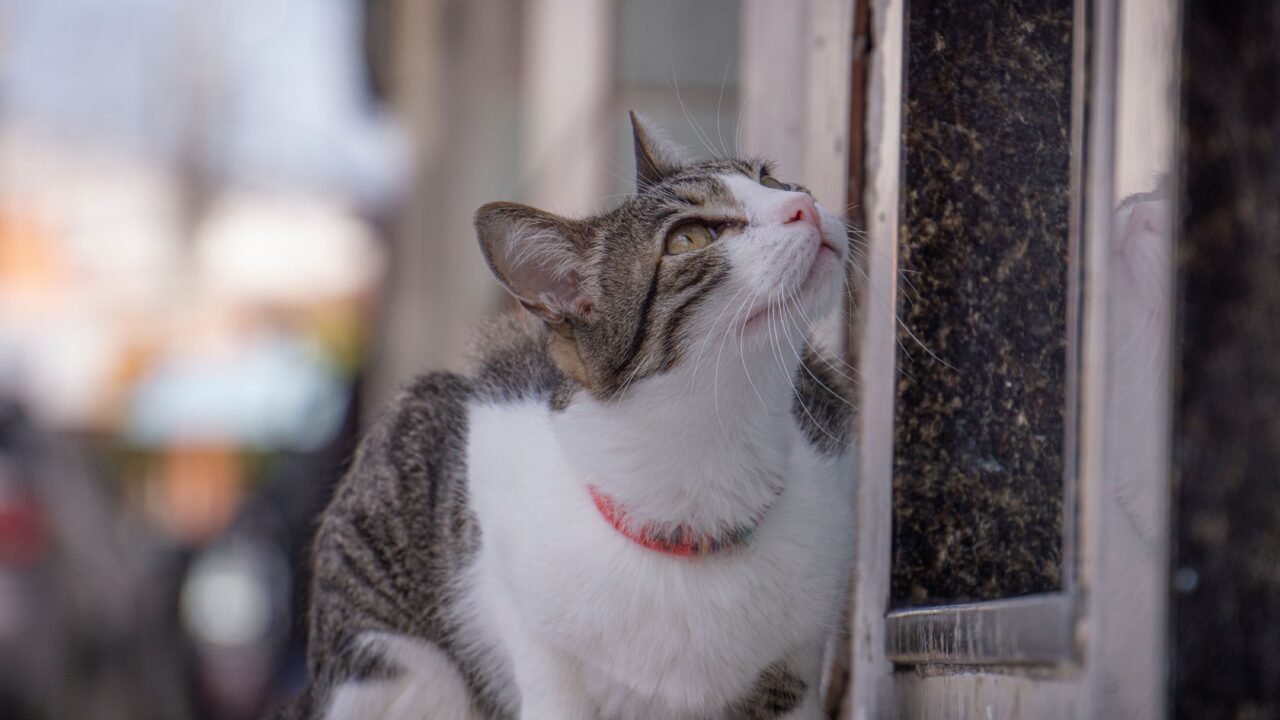
Lean in and take a close look. That hairless area at the tip—the nasal planum—isn't smooth: it's covered in tiny ridges, grooves, and bumps.

That pattern is unique to every single cat. It forms during development, stays stable throughout their life, and is never repeated in any other animal on the planet. It is, quite literally, their fingerprint.
There has even been talk of using it as an alternative identification system to microchips, which can sometimes shift or fail. The idea hasn't caught on for a decidedly unscientific reason: taking a detailed photo of a cat's nose when they don't want to cooperate is considerably harder than fingerprinting a person.
So, Does a Dry Nose Mean a Sick Cat?
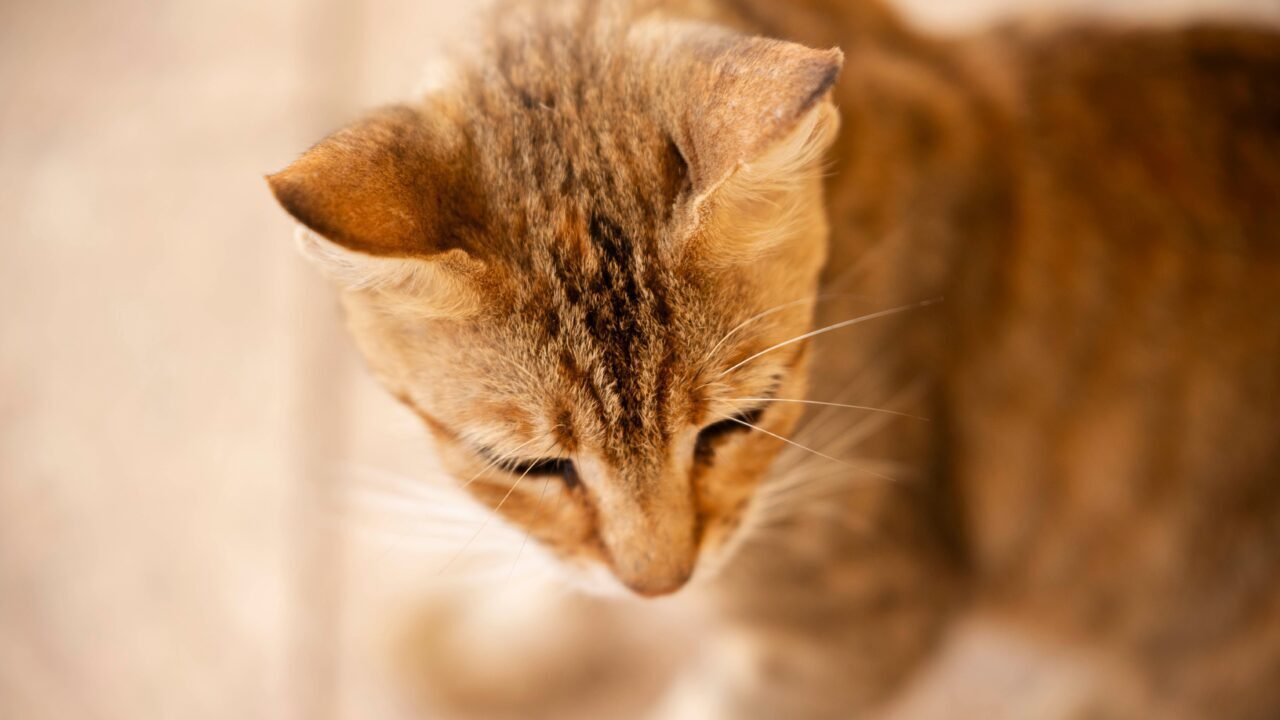
No, and this is the most widespread myth in the feline world. A nose is not a thermometer.
A healthy cat's nose changes several times a day depending on room temperature, whether they just woke up from a nap, if they've been running around, or if they finished grooming a minute ago. A cat that curled up right next to the radiator will have a dry, warm nose and be completely fine.
If you want to know if they have a fever, the only reliable way is to take their temperature properly or visit the vet. A normal cat's baseline temperature sits around 101–102.2 °F (38–39 °C), quite a bit higher than human body temperature: that's why a healthy cat's nose might feel warm to your touch.
When You Should Pay Attention to the Nose
Not because of isolated dryness, but when a change comes with other symptoms. It's worth consulting a vet if you notice:

- Heavy discharge, with mucus, blood, or crusts.
- Frequent sneezing or noisy breathing.
- Crusts, sores, or peeling areas on the nasal planum, especially in white cats exposed to the sun.
- A persistently dry and warm nose along with lethargy, loss of appetite, or hiding.
The key word here is along with. The nose on its own diagnoses nothing. What really tells you how they're doing is the complete picture—how they eat, how they move, and whether they're acting like their usual self.
And if you want to truly learn how to read your cat, this will help: subtle signs your cat is sick that almost everyone misses until it's too late.
Frequently Asked Questions
Why do cats have wet noses?
Because of glandular secretions, tear drainage toward the nose, and grooming licks. This moisture helps trap scent molecules better, keeping their sense of smell sharp.
Can I tell if my cat has a fever by touching their nose?
No. A cat's nose fluctuates throughout the day and doesn't reflect core body temperature. A normal cat temperature is around 101–102.2 °F (38–39 °C) and can only be verified by taking it correctly.
Why does my cat make a funny face with an open mouth when sniffing something?
That's the flehmen response. They are channeling scent molecules toward the vomeronasal organ located in the roof of their mouth to analyze pheromones. It's not disgust: it's their secondary olfactory system at work.
Is it true that every cat's nose is unique?
Yes. The ridge and groove pattern on the nasal planum is different in every single individual and remains stable throughout their life, much like a human fingerprint.
Sources and references: Veterinary literature and vet-reviewed feline insights on the cat's sense of smell (around 200 million olfactory receptors), the vomeronasal or Jacobson's organ, the flehmen response, and the uniqueness of the nasal planum pattern.
At Los Gatos Baby we aren't veterinarians: we gather what the sources say and let you know when it's time to consult one.
🔍 Looking for something else?
If you want to read other articles similar to Why Your Cat Has a Wet Nose (And the Unique Print Hidden On It) you can visit the category Curiosities.
Leave a Reply
More cat breeds!