

You open a can of tuna and they appear out of nowhere, as if they had a sensor. Those eyes that beg, "give me something tasty." You give a small piece. Tomorrow another. And before any alarm goes off, the treat has become routine.
It seems harmless. It's fish, it smells strong and they love it. What could go wrong? The short answer may surprise you by how un‑dramatic it is: nothing, if it’s an occasional treat. A lot, if it becomes the base of their diet. And the line between those two is much thinner than most people think.
The mistake almost nobody sees coming
The logic sounds solid every time: “if commercial cat food contains fish, human tuna can’t be worse.” That’s the trap almost everyone falls into.
Canned tuna for people is not the same as fish formulated for cats. One is made for humans. The other is designed to meet a cat’s complete nutritional needs. All the difference fits in that distinction.
MYTH: Canned tuna is a healthy treat for cats. False.
REALITY: Over time, human canned tuna lacks essential nutrients for cats and can lead to serious deficiencies.
The silent trap you don’t see coming
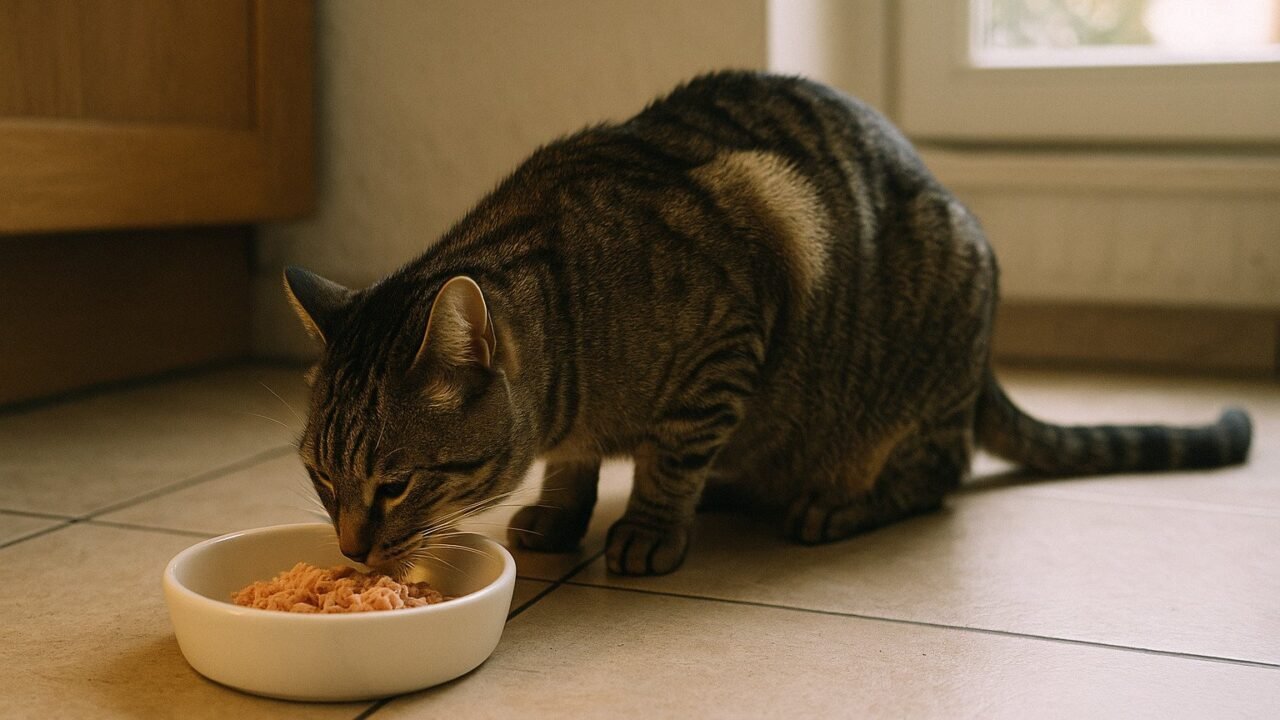
Changes rarely arrive overnight. First there’s less energy. Then the coat loses its shine. It’s easy to blame stress or the weather and not look at the bowl — which is where the answer usually is.
And let’s clear up a common myth: tuna does not inherently “lack” taurine. Fish does contain taurine like other animal proteins. The real — and more serious — problem is this: canned tuna for people is not a complete, balanced food for a cat. When it replaces their regular food instead of complementing it, an accumulating deficit develops — taurine drops below required levels, vitamin E can be low, and calcium and phosphorus get out of balance.

Without enough taurine, cats can develop serious heart disease such as dilated cardiomyopathy, a ticking time bomb that can be irreversible if not detected early. It also affects vision and the immune system. It’s like slow‑burn damage.
And then there’s mercury. Big tuna, especially, accumulate this heavy metal. If you feed your cat tuna every day, you raise the health stakes. One study found canned tuna can contain mercury levels that exceed safety limits for frequent consumption in pets.
Did you know taurine deficiency can cause blindness and heart problems in cats? It’s more common than you may think when their diet isn’t appropriate.
Signs that appear before the diagnosis

The case vets see almost always starts the same and looks deceptively mild: a cat that stops playing, seems listless, moves less. Nothing that triggers immediate concern. When lab results arrive, they often show anemia and possible taurine deficiency — and the vet’s first question is nearly always: what are you feeding them?
That’s the cruel part: tuna doesn’t act like an instant poison, it acts like erosion. There’s no single day something goes wrong. There are months in which everything seems fine, then a body that can no longer compensate.
And it’s not just tuna: there’s a real list of forbidden foods for cats you should know inside out to avoid this kind of scare.
The solution is as simple and effective as it is unglamorous: species‑appropriate cat food as the foundation of the diet, with a complete nutrient profile. It’s not a marketing gimmick. It’s the difference between feeding and truly nourishing.

👉 What everyone believes: Tuna is an ideal source of protein for cats.
👉 What really happens: It’s an unbalanced protein for them—low in taurine and high in unsaturated fats.
👉 What science says: A diet high in canned tuna can lead to severe nutritional deficiencies and major health issues.
👉 What no one tells you: Tuna’s strong flavor can create a preference that makes cats reject more nutritious food.
Is tuna totally off‑limits? The honest truth
If...
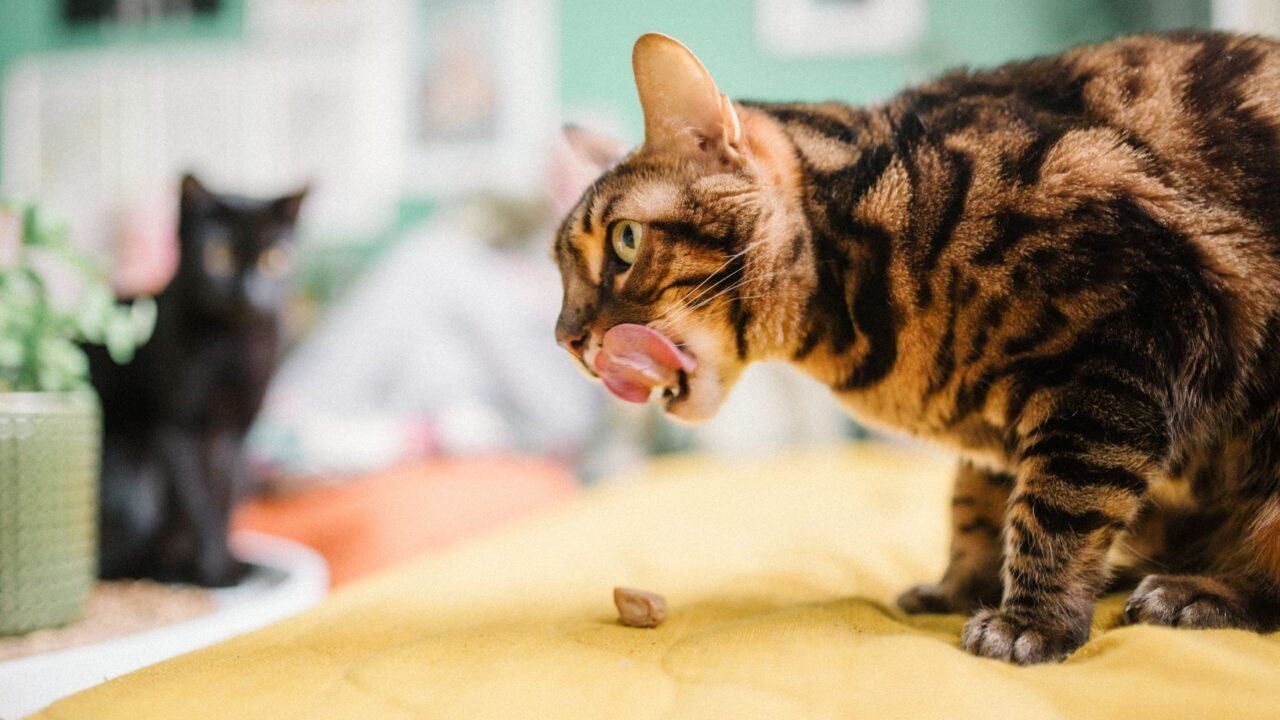
So, does this mean tuna is completely banned from a cat’s diet? I won’t lie: a tiny bit of tuna as an occasional treat—say once a month in very small amounts—won’t kill your cat. But dose and frequency are what make it a quiet enemy.
If you ever give them a piece, choose tuna packed in water, well drained, unsalted, and only as an exception. Never, under any circumstances, give tuna in oil or with seasonings.
The key is moderation and understanding that their main diet must be food formulated specifically for them. If you’re interested in homemade diets, before you try them read this about homemade cat food and why taurine changes everything.
Sometimes we assume cats are tough and can handle anything. But in certain ways they’re more fragile than they appear. Like humans, we overestimate intuition and underestimate science.
The good news is most of this can be reversed if detected early. At Los Gatos Baby we repeat it often: showing love means getting informed. An occasional tuna treat won’t hurt. Making it their food will.

Frequently Asked Questions about Tuna and Cats
Can cats eat canned tuna for humans?
Yes, they can, but only in very small amounts and only occasionally. Canned tuna for humans lacks essential nutrients for cats, such as taurine, and regular consumption can lead to deficiencies and serious health problems. It should always be tuna packed in water, well drained and unsalted.
What happens if a cat eats tuna every day?
If a cat eats tuna every day, they can develop serious nutritional deficiencies, especially taurine deficiency. This may lead to dilated cardiomyopathy (a heart disease), vision problems, weakened immunity and, in extreme cases, death. The risk of mercury toxicity also increases significantly.
{{ADML1:2771DAC268_HTML_00015}}
How much tuna is safe for a cat?
A safe amount is minimal—no more than a teaspoon or two—and only as a very occasional treat (for example, once a month). It should never be part of their regular diet or a substitute for balanced cat food. Use tuna packed in water, not oil or seasonings.
Is tuna addictive for cats?
Yes, tuna can be addictive to cats because of its strong smell and flavor. Once they get used to it, they may refuse their regular food, which makes it harder to maintain balanced nutrition.
If you want to keep reading:
→ 5 signs your cat is ill (and almost nobody spots in time)
→ Forbidden foods for cats: the real list and what to do if they already ate it
🔍 Looking for something else?
If you want to read other articles similar to Tuna for Cats? The Hidden Risk No One Tells You About you can visit the category Nutrition.
Leave a Reply
More cat breeds!